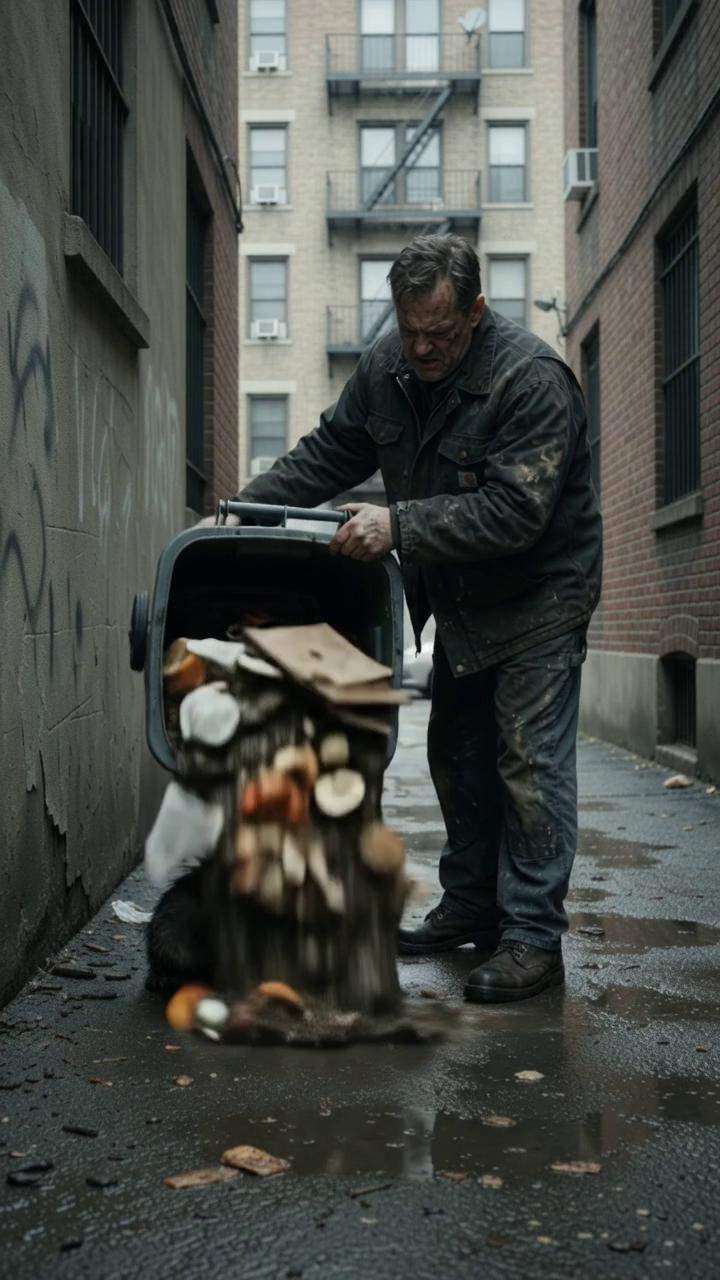
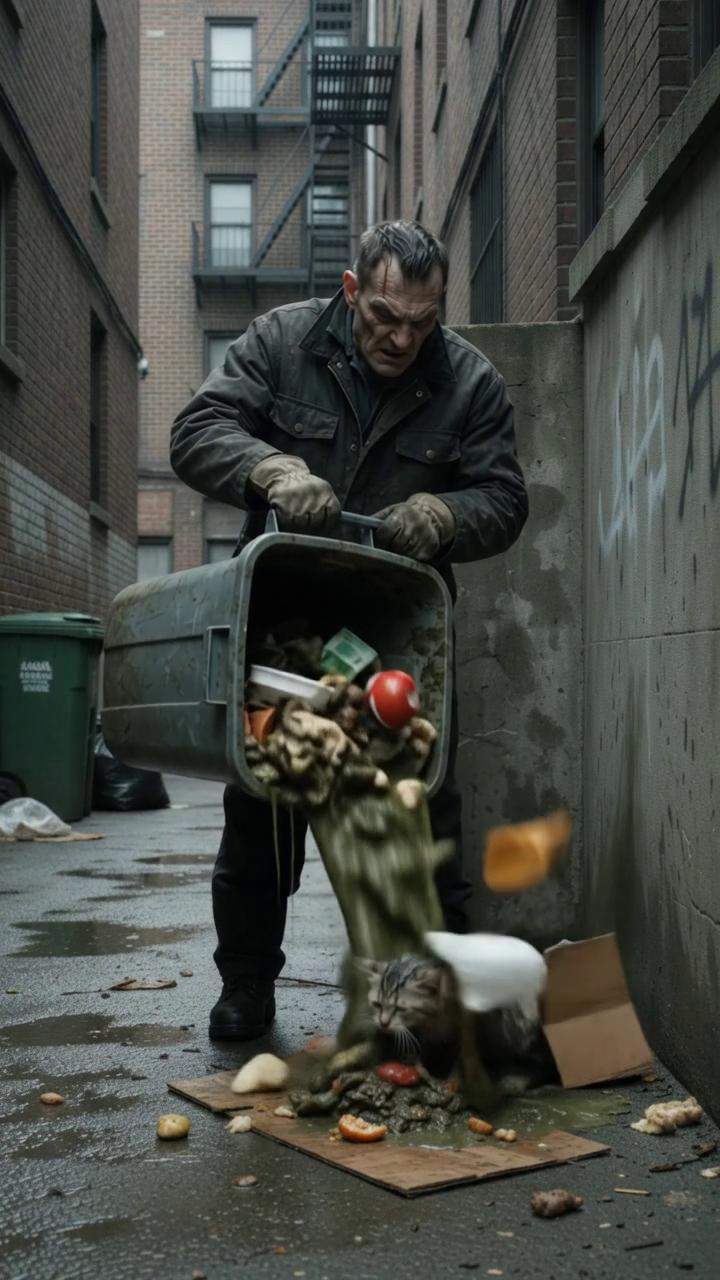
My name is Emily, and a few months ago, I walked into what I thought was a dream job at Sterling Capital, a prestigious financial firm.
I was a junior project manager, full of optimism and ready to climb the corporate ladder, eager to learn from the best.
Initially, Sterling Capital felt like a place where ambition met opportunity, a bustling hub of brilliant minds and high-stakes deals.
But beneath the polished facade, something was festering, a darkness that began to seep into every corner of the company.
The shift truly began with Richard, our CEO, a man whose charisma was as sharp as his tailored suits.
When he took the helm a few years prior, he promised innovation and unparalleled growth, and for a while, it seemed he delivered.
He had a way of captivating people, making them believe in his vision, even when that vision started to blur the lines of ethics.
I started to notice small things at first, minor discrepancies in project budgets, overly aggressive sales tactics, and a subtle pressure to overlook certain "creative accounting" practices.
My initial admiration for Richard slowly curdled into unease as I saw his ruthless ambition overshadow any semblance of integrity.
He demanded absolute loyalty, stifled any form of dissent, and seemed to possess an insatiable hunger for profit, regardless of the cost to clients or company reputation.
The "illegal operation" wasn't a single, isolated event; it was a pervasive culture of pushing ethically dubious investment products, manipulating client portfolios for higher commissions, and funneling profits through a network of shell companies and offshore accounts.
I stumbled upon the first concrete evidence while auditing a complex derivatives project, finding a trail of suspicious transactions that didn't add up.
The numbers screamed at me from the spreadsheets, silent witnesses to a systematic pattern of fraud.
My ethical compass began to spin wildly, warning me of the dangerous waters I was navigating.
I tried to be discreet, cross-referencing data points, working late nights to piece together the puzzle of Richard’s illicit empire.
I tentatively brought up my concerns with a few trusted colleagues, hoping for solidarity, but they either feigned ignorance, changed the subject nervously, or simply advised me to "keep my head down."
The fear was palpable; Richard had cultivated an environment where speaking up meant career suicide, or worse.
My subtle attempts to raise questions internally were met with icy dismissals from senior management, followed by thinly veiled threats from Richard himself.
He’d call me into his office, praise my intelligence, then warn me about "misunderstandings" and the "consequences of disrupting the status quo."
As I got closer to unraveling the full extent of his operation, Richard began to target me directly, systematically isolating me from my team.
He publicly criticized my work in meetings, assigned me impossible deadlines for projects he knew would fail, and started spreading insidious rumors about my competence and loyalty.
He wanted to break me, to force me into resignation, or discredit me so thoroughly that no one would believe me if I ever dared to speak out.
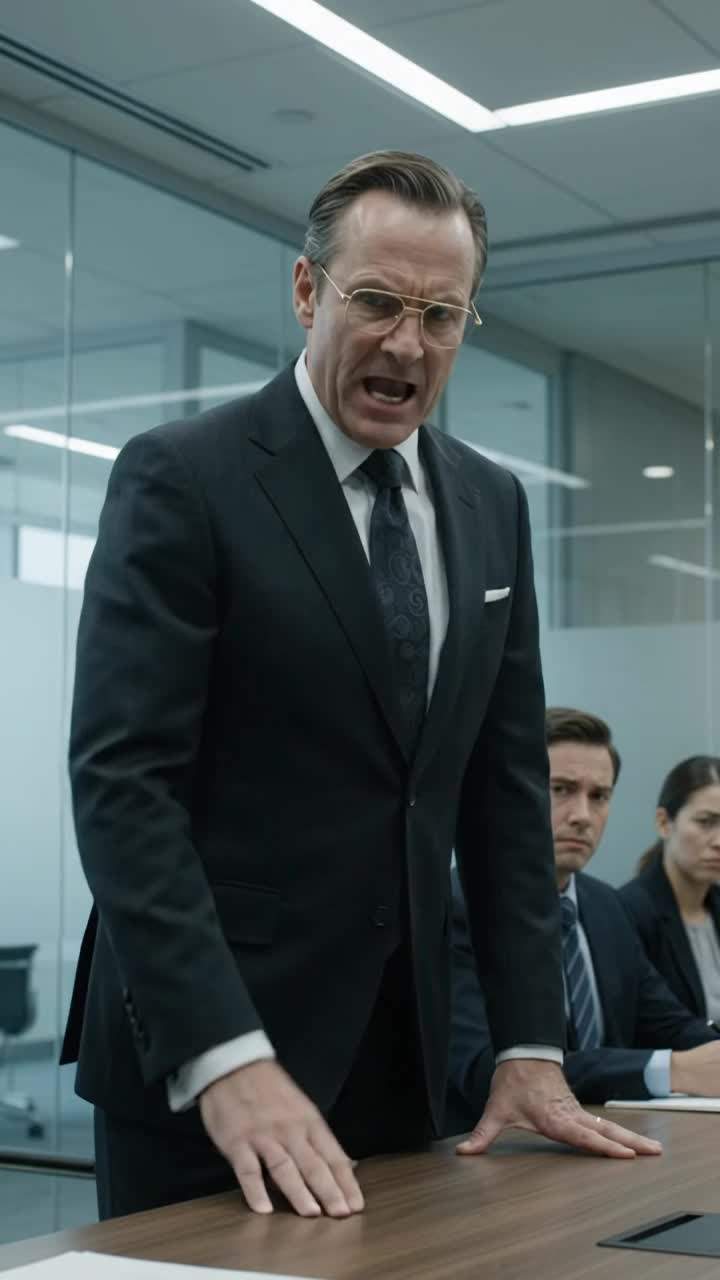
The office meeting where he finally decided to fire me was the culmination of weeks of this psychological warfare, a grand public spectacle designed to crush my spirit entirely.
I spent sleepless nights wrestling with my conscience, my job, and my future.
I knew I was fighting a losing battle alone, my reputation being shredded, my career hanging by a thread.
But the sheer injustice of it all, Richard’s blatant disregard for ethics, his condescending arrogance, it gnawed at me, igniting a slow-burning fire of defiance.
I realized I couldn't let him win, not like this.
It was then I made the terrifying, yet ultimately empowering, decision to start recording our meetings.
I carried my phone with me everywhere, its recorder running discreetly during one-on-one sessions with Richard, especially when he'd drop hints about the illegalities or try to subtly coerce me into complicity.
Advertisement
He was so arrogant, so convinced of his invincibility and my vulnerability, that he believed I would never dare use any evidence against him.
The specific recording I had ready was from a particularly chilling conversation where he had, with alarming clarity, outlined several of his illicit schemes, believing he was merely "educating" me on the brutal realities of "how business truly operates."
On the morning of the meeting, my stomach churned with a mixture of dread and a strangely cold resolve.
I walked into the sleek, glass-walled conference room, every eye on me, the air thick with unspoken tension.
Richard’s performance was brutal, a masterclass in corporate humiliation.
He dissected my projects with surgical precision, ridiculed my ideas as naive and amateurish, and openly questioned my intelligence in front of the entire team.
He drew out the process, savoring my discomfort, building to his cruel crescendo before delivering the final, crushing blow – my termination.
My heart sank, a heavy stone in my chest, but then, something inside me snapped.
All the fear, the simmering anger, the profound sense of injustice, coalesced into a singular, unwavering determination.
I wasn’t just losing my job; I was being publicly sacrificed, scapegoated for Richard’s crimes.
My hand, though trembling slightly, moved with purpose into my file bag, my fingers finding the familiar cold glass of my phone.
The moment the recording started, a sudden, jarring burst of sound in the stunned silence of the room, was utterly cinematic.
Richard’s triumphant smirk froze on his face, his eyes widening in disbelief, then rapidly clouding with raw panic as his own voice filled the room.
The recording played back his words, cold and clear, detailing the offshore accounts, the forged documents, the elaborate schemes to avoid regulatory oversight.
My colleagues sat motionless, their faces a mixture of shock, fear, and a dawning, terrifying realization.
The sheer, overwhelming power of the truth, stripped bare and undeniable, was palpable.
My own voice, low but resonant with a steel I didn’t know I possessed, broke the silence, delivering the final, scathing barb.
The meeting descended into utter chaos, a cacophony of gasps and whispers.
Richard, his face now ghostly pale and slick with sweat, began to bluster, denying everything, his voice cracking with desperation.
He accused me of tampering with evidence, of orchestrating a malicious smear campaign, but his words lacked conviction against the backdrop of his own recorded confessions.
Other employees scrambled, some rushing out of the room as if fleeing a disaster, others huddled together, whispering frantically.
Within minutes, HR was on the phone, then the company's legal team was mobilized, their faces grim and strained.
The raw, visceral fear contorting Richard’s once-arrogant features was a sight I knew I would carry with me forever.
He was immediately suspended, then swiftly fired, his carefully constructed empire crumbling around him.
The subsequent investigations were brutal and far-reaching, exposing not just Richard's crimes, but implicating several other senior executives who had been complicit or negligent.
Sterling Capital faced massive fines, its reputation in tatters, and Richard himself faced severe criminal charges.
For me, the aftermath was a whirlwind of emotions and challenges.
The immediate relief and vindication were immense, a wave of pure exhilaration washing over me after months of terror.
But then came the inevitable backlash: veiled threats from Richard’s remaining allies, intimidating legal letters, and attempts to blacklist me within the industry.
However, the media picked up the story, casting me as a courageous whistleblower, and public support, surprisingly, began to grow.
I testified, calmly and truthfully, laying bare the full extent of Richard’s deceit.
I had lost that job, yes, and my career path was irrevocably altered, but I gained something infinitely more valuable: my integrity, my voice, and a profound sense of justice served.
It was a terrifying, lonely battle, one that tested every fiber of my being, but I proved that even a single person, armed with nothing but the truth, could stand up to overwhelming power and expose corruption.
The financial industry, slowly but surely, began to take notice, a small ripple of transparency spreading through its murky waters.
I ultimately found a new path, not in corporate finance, but in an organization dedicated to corporate ethics and compliance, a place where integrity wasn’t just a buzzword.
I am still healing from the trauma of that experience, the constant vigilance, the lingering sense of unease, but I sleep soundly now.
I know I did the right thing, not out of revenge, but out of a deep-seated belief that truth and justice must ultimately prevail.