Chaos on Grand Central
The afternoon sun, usually a comforting presence, was instead glinting off shards of glass and twisted metal.
E.g. :My cafeteria tray crash was just the start.
- 1、Chaos on Grand Central
- 2、The Storm Descends, But Is It Salvation?
- 3、The Hammer Vigilante: City's Protector or Public Enemy?
- 4、Unraveling the 'Accident'
- 5、Whispers of a Deeper Scheme
- 6、The Mayor's Dilemma
- 7、An Unseen Enemy
- 8、The Price of Truth
It was 4:47 PM on a Tuesday, a moment etched into the collective memory of thousands who witnessed the horror unfold on Grand Central Avenue.
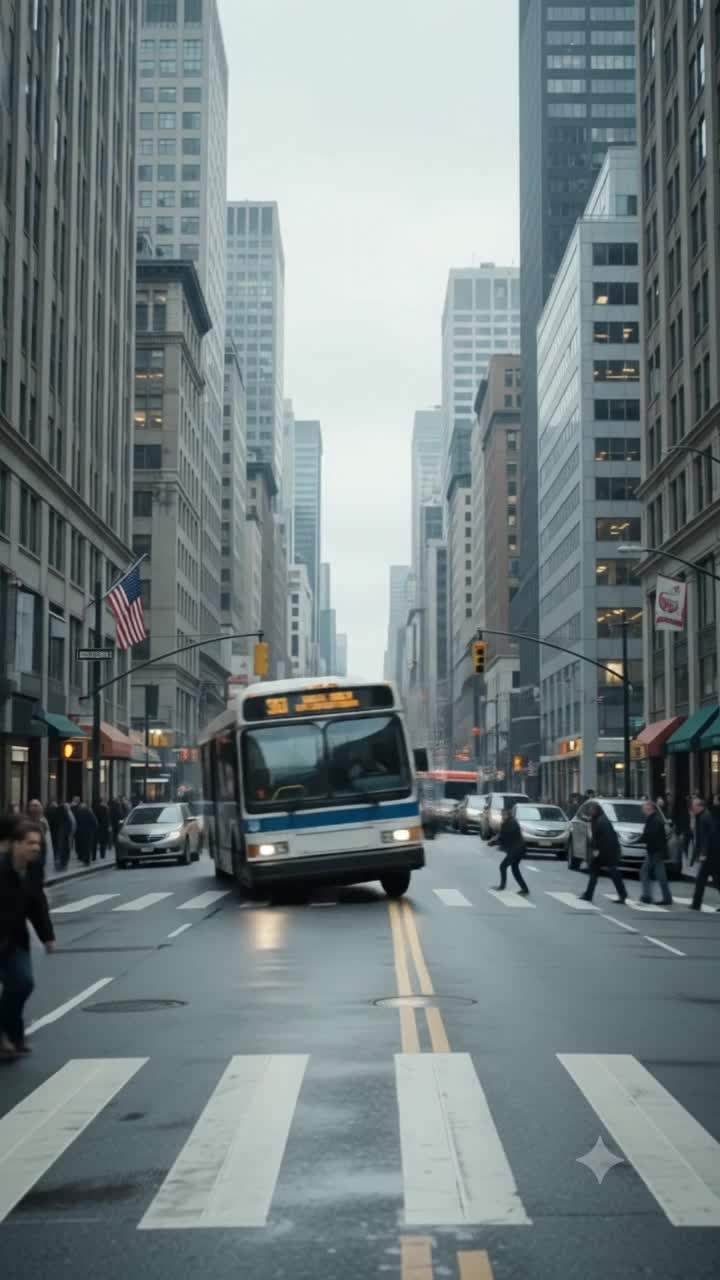
A City Transit Authority bus, route 14, normally a symbol of mundane routine, had transformed into a two-ton harbinger of destruction.
Its tires shrieked, a primal scream against the asphalt, as it veered violently across three lanes of traffic.
Vehicles were sideswiped, sending smaller cars spinning like toys.
Pedestrians, caught mid-crosswalk, froze in terror, then scattered like startled pigeons.
The bus, seemingly driverless, gained speed, its trajectory leading directly into the heart of a packed outdoor cafe, a favorite spot for after-work chatter.
Screams tore through the air, piercing the urban din.
A mother clutched her child, eyes wide with a terror that only a few seconds separated from oblivion.
Hope dwindled with every inch the rogue vehicle devoured.
The Storm Descends, But Is It Salvation?
Just as the hulking bus was mere feet from the terrified crowd, the sky itself seemed to rip open.
A bolt of impossible blue-white lightning, thicker than any oak tree, struck the very asphalt in front of the vehicle.
The impact was cataclysmic, a deafening thunderclap that rattled teeth and shattered nearby windows.
From the swirling, supercharged storm of energy, a figure plummeted.
Clad in dark, ancient-looking armor and a wind-whipped cloak, they landed with a ground-shaking thud that sent tremors through the street.
Dust, gravel, and ozone-scented air exploded outwards.
The figure, later dubbed the “Hammer Vigilante,” stood defiant, a massive, ornate warhammer already in hand.
Without a moment’s hesitation, they roared, a sound that seemed to vibrate with primeval power.
They met the bus head-on, a blur of motion, swinging the warhammer with a force that defied physics.
The bus, still hurtling forward, connected with the hero’s body.
Instead of being crushed, the hero held their ground.
The vehicle’s front end crumpled inwards, metal groaning in protest, sparks flying like a deadly fireworks display.
Its tires spun uselessly, a desperate, futile attempt to maintain momentum against an immovable object.
With another surge of unbelievable strength, the figure didn't just stop the bus; they violently slammed it aside.
The entire bus spun, skidded, and crashed into the unyielding concrete base of a nearby skyscraper, leaving a grotesque, metallic impression.
The immediate danger was averted, but the chaos had only just begun.
The Hammer Vigilante: City's Protector or Public Enemy?
In the wake of the incident, a single question dominated every news cycle, every social media feed: Who—or what—was this mysterious hero?
This wasn't the first time the Hammer Vigilante had appeared, but it was certainly the most public, most destructive display of their power.
Advertisement
Whispers and shaky cell phone footage had circulated for months, tales of impossible feats of strength and localized lightning strikes.
But always in the shadows, always gone before official response arrived.
Now, their presence was undeniable, undeniable and controversial.
Mayor Thompson, in an emergency press conference, praised the swift action that saved lives but also expressed “grave concerns” about unchecked vigilantism.
Police Chief Ramirez immediately launched an investigation, not just into the bus crash, but into the identity and origins of the "super-powered individual."
Public opinion was starkly divided.
Some hailed the Hammer Vigilante as a modern-day savior, a necessary force in a city increasingly plagued by unseen threats.
Others viewed them with suspicion and fear, a wild card with powers that could potentially cause as much harm as good.
"Who appointed them?" "What are their intentions?" "Are they even human?" these questions echoed through the city.
Unraveling the 'Accident'
The initial police report indicated a tragic mechanical failure combined with driver incapacitation.
Bus driver, Arthur Jenkins, a veteran of twenty years, was found unconscious at the wheel, suffering from what first responders believed to be a sudden cardiac event.
But when paramedics attempted to revive him, they noted something peculiar.
No signs of cardiac arrest.
Instead, a faint, almost imperceptible tremor ran through his body, and his eyes, though closed, seemed to flicker with an unnatural light.
Medical examiners later reported traces of a highly advanced neurotoxin in his system, one designed not to kill, but to completely override motor functions and induce a temporary, forced unconsciousness.
It was designed to make a body, even a bus, an unwitting weapon.
This immediately escalated the incident from a tragic accident to something far more sinister.
This was no random mechanical failure.
This was a deliberate act.
Whispers of a Deeper Scheme
As investigators probed deeper, they discovered that Bus Route 14 had been subtly rerouted that morning due to "unscheduled maintenance" on another line.
This reroute, seemingly innocuous, had placed it directly on Grand Central Avenue at the precise moment a prominent City Council member, Evelyn Reed, was scheduled to be having a very public, very controversial meeting at the cafe.
Reed was known for her vocal opposition to a massive urban redevelopment project, championed by the influential Sterling Industries group.
A group whose deep ties to Mayor Thompson’s administration were frequently scrutinized by the press.
Could the bus have been targeting her?
Or was it something else, something far more hidden?
Forensic teams examining the mangled bus made another startling discovery.
Beneath a reinforced panel in the rear of the vehicle, not part of its original design, they found a small, heavily shielded compartment.
Inside lay a single, nondescript briefcase.
Empty.
But its lining showed faint traces of a sophisticated, encrypted data storage device.
This was the moment the Hammer Vigilante slammed the bus aside.
It wasn't just to save lives, it was to expose this hidden compartment, to reveal the truth behind the "accident."
The Mayor's Dilemma
Mayor Thompson found himself in an impossible position.
Publicly, he had to maintain control, assure safety, and condemn unsanctioned vigilantism.
Privately, he was sweating.
The whispers connecting Sterling Industries to his office, already a persistent hum, were now growing louder.
Councilwoman Reed, shaken but unharmed, called for a full, independent inquiry into Sterling Industries' dealings with the city.
She openly thanked the "mysterious protector" who saved her, a direct contradiction to the Mayor's cautious stance.
The Mayor’s chief of staff, a man named Marcus Thorne, known for his ruthless efficiency and unwavering loyalty, advised a swift crackdown on the vigilante.
"We cannot have a loose cannon running around, interfering with sensitive investigations, no matter their intentions," Thorne argued, his voice devoid of emotion.
Advertisement
But what if the vigilante was the only one exposing the truth Thorne and his allies wanted buried?
An Unseen Enemy
The Hammer Vigilante, meanwhile, had vanished once more.
Their presence was a catalyst, ripping open the fabric of the city's perceived stability.
The police, while hunting for the vigilante, were also forced to pursue the trail of the neurotoxin and the empty briefcase.
Their investigation led them down a rabbit hole of corporate espionage, political corruption, and a network of shadowy operatives.
The source of the neurotoxin was traced to an offshore biotics firm, a subsidiary of Sterling Industries.
The data device, though gone, was confirmed to contain highly classified information regarding Sterling’s bid for the redevelopment project, including illegal subsidies and environmental shortcuts.
The bus crash wasn’t just an assassination attempt; it was a desperate, chaotic attempt to retrieve a crucial piece of evidence that could bring down Sterling Industries and implicate key city officials, including Mayor Thompson.
The Hammer Vigilante hadn't just saved lives; they had exposed the city's darkest secret.
Their identity remained unknown, their motivations a subject of fierce debate.
But one thing was clear: they were a force, an unpredictable variable in a city teetering on the brink of revelation and chaos.
The Price of Truth
The city was a powder keg.
The Hammer Vigilante’s actions had ignited a firestorm of public outrage and official panic.
Every citizen was forced to confront uncomfortable truths about power, corruption, and the lengths some would go to maintain control.
The "accident" on Grand Central Avenue was merely the opening salvo in a much larger, more dangerous conflict.
And as the city braced itself for what was to come, everyone wondered: would the Hammer Vigilante truly be the city's salvation, or an even greater threat in the battles yet to be fought?
The price of truth, it seemed, was often paid in thunder and blood.