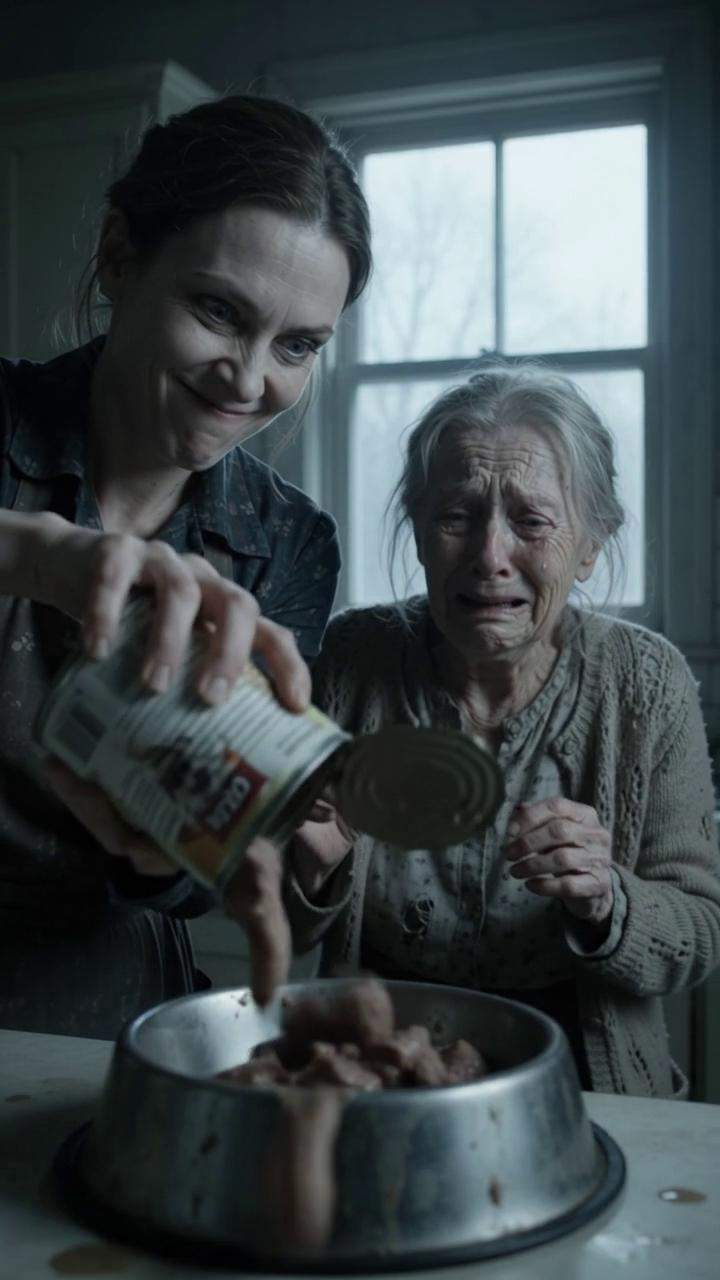
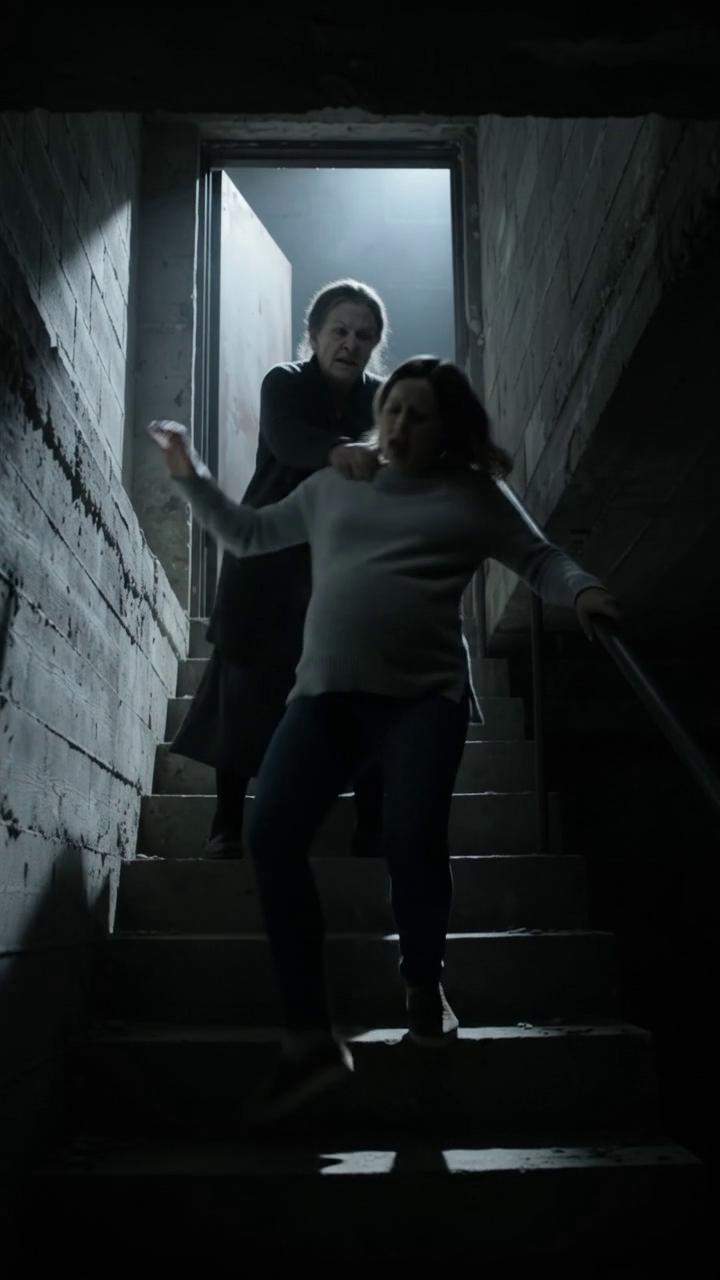
The Shadow of St. Jude’s
The St. Jude’s Home for Lost Souls was never a place where children went to be found.
- 1、The Shadow of St. Jude’s
- 2、The Keeper of the Crimson Garden
- 3、The Night the Earth Refused
- 4、The Impossible Reflection
- 5、The Face of the Void
- 6、The Silence of St. Jude’s
It sat on a jagged cliffside, miles away from the nearest town, shrouded in a permanent mist that smelled of salt and decay.
Sister Martha was the woman in charge, a figure of iron discipline who claimed to hear the voices of angels.
But the children knew better than to trust the woman who never slept.
They watched her from the high windows of the dormitory as she paced the grounds at night.
She was obsessed with the "purity" of her charges, often speaking of a ritual that would separate the light from the dark.
For years, the orphanage had a strangely high turnover rate, with children simply "moving on" to distant families in the middle of the night.
No one questioned the Sister, for her word was law and her influence reached deep into the local government.
The Keeper of the Crimson Garden
The garden behind the orphanage was a beautiful, terrifying contradiction.
While the rest of the grounds were barren, the roses near the back fence grew thick and blood-red.
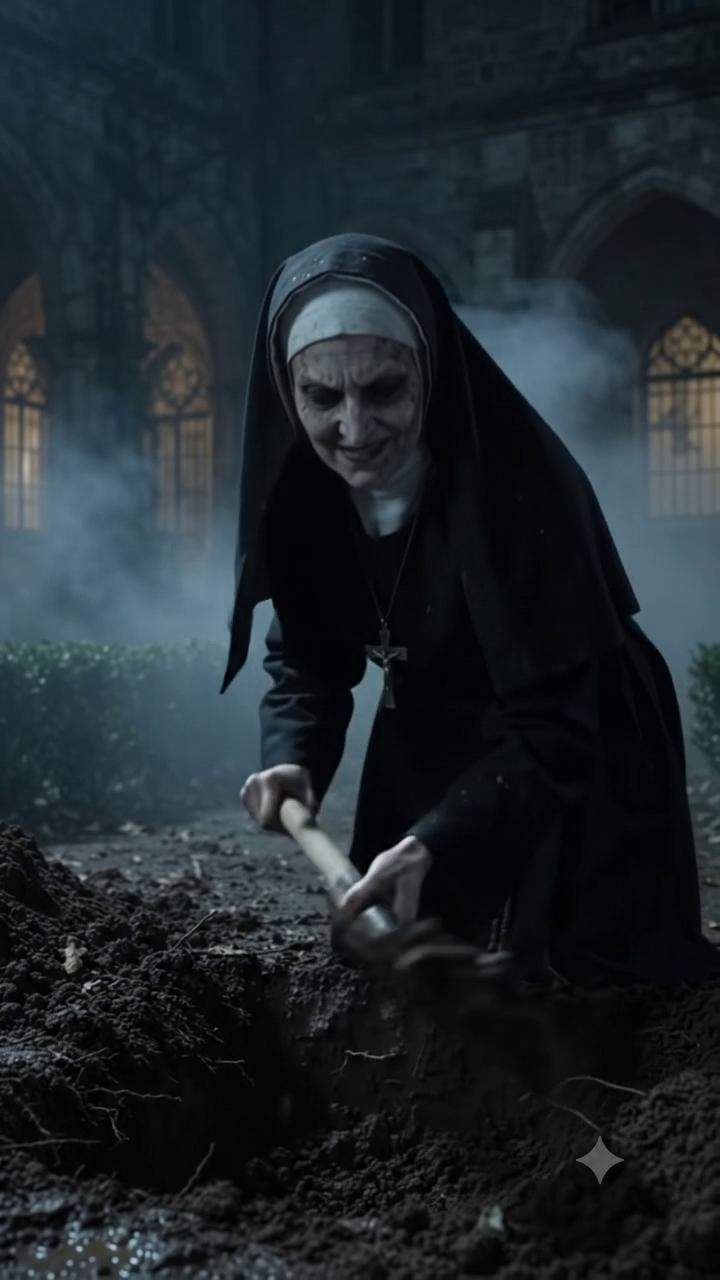
Sister Martha spent her evenings there, tending to the soil with a devotion that bordered on madness.
She believed she was a gatekeeper, a holy warrior tasked with pruning the "weeds" of the human soul.
Her philosophy was simple: when a child showed signs of "the darkness," that darkness had to be returned to the earth.
She didn't view herself as a killer, but as a spiritual surgeon performing a necessary extraction.
The "vessel," as she called the physical body, was merely a container that had to be discarded once the spirit was "cleansed."
She had performed this ceremony dozens of times, always in the heavy, oppressive heat of the crimson twilight.
The Night the Earth Refused
On a Tuesday evening, when the sky was the color of a fresh bruise, Martha prepared for her most important task.
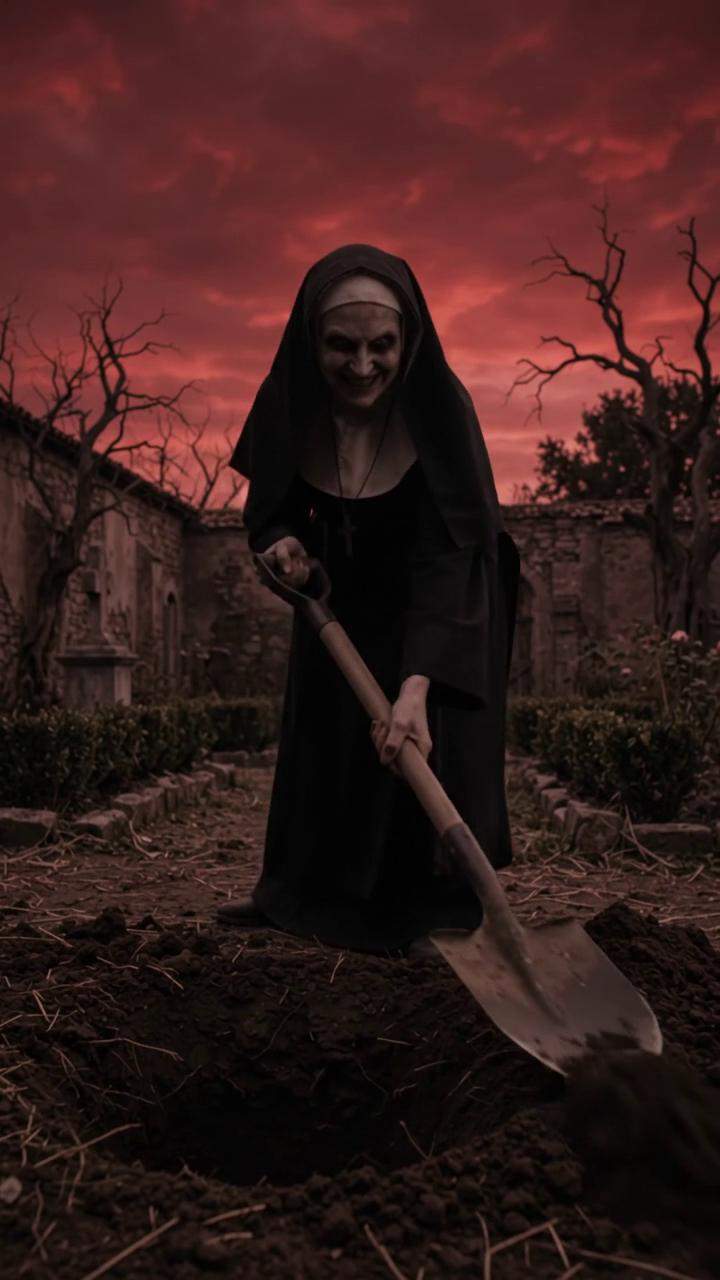
She had identified a young girl named Elara as the ultimate candidate for her "Twin-Soul" separation.
Elara was a quiet, blonde child who seemed to possess a light that Martha found offensive to her own bitter soul.
The Sister had spent hours in the basement, performing the chants that would supposedly pull the girl’s essence into a new, "perfected" form.
After the ritual, the "discarded" Elara lay cold and still on the stone floor.
Martha wrapped the body in linen and carried it to the garden, ready to finish the job.
She dug with a feverish intensity, her breath coming in ragged, wet gasps.
The dirt flew as she whispered her final banishments, ensuring the spirit stayed trapped beneath the clay.
"No one will ever find you," she sneered, feeling the weight of a successful mission.
The Impossible Reflection
The sound of a snapping branch was the first sign that the laws of nature had been violated.
"Mama, what are you doing?"
The voice was sweet, innocent, and vibrated with a life that should have been extinguished.
Advertisement
Martha froze, her hands still clutching the handle of the shovel, the cold sweat turning to ice on her skin.
She turned slowly, her neck popping with the tension of a woman who knows she is looking at a ghost.
Five meters away stood Elara, her blonde hair glowing like a halo against the dark woods.
Her white dress was impossibly clean, not a single smear of the garden’s mud touching the fabric.
Martha’s eyes darted down to the hole, where the edge of a white dress was still visible beneath a thin layer of soil.
The panic that hit her was not just fear of being caught; it was the realization that she had failed to understand her own ritual.
She hadn't separated the light from the dark; she had accidentally invited something from the "other side" to inhabit the girl's likeness.
The Face of the Void
The footage, captured by a local trespasser who had been investigating the orphanage’s secrets, shows the Sister’s face distorting.
Her eyes bulge so far that the whites seem to glow in the twilight gloom.
Her jaw drops in a silent, jagged scream as she realizes the girl in the dress is smiling.
It wasn't the smile of a child, but the smile of something that had been waiting for a door to open.
The girl took a step forward, her movements fluid and unnatural, like a puppet on invisible strings.
Martha tried to lift the shovel as a weapon, but her limbs were heavy, paralyzed by a psychological shock that bypassed her nervous system.
The "Elara" in the dress tilted her head, her eyes turning a solid, ink-like black.
"Did you think you could bury me, Mama?" the thing asked, its voice now echoing with a thousand different tones.
The camera shakes violently as the witness begins to flee, the last shot showing the Sister collapsing into the very grave she had dug.
The Silence of St. Jude’s
When the authorities finally raided the orphanage three days later, they found the gates wide open.
The building was empty, the beds neatly made as if the children had simply evaporated into the mist.
In the back garden, they found the fresh grave, but it was empty—except for a single, pristine white ribbon.
Sister Martha was never seen again, though locals claim to hear a shovel hitting the earth every time the sky turns crimson.
Some say she is still digging, trying to find the original girl she buried, hoping to put the world back together.
Others believe the "Twin-Soul" ritual succeeded in a way Martha never intended.
They say there are now two of everyone at St. Jude’s, and the ones walking the halls aren't the ones with hearts.
The orphanage remains a hollow shell, a monument to a woman who tried to play God and met something much older instead.
If you ever find yourself near those cliffs at twilight, do not look toward the garden.
Because some things, once pulled out of the earth, can never be put back in.