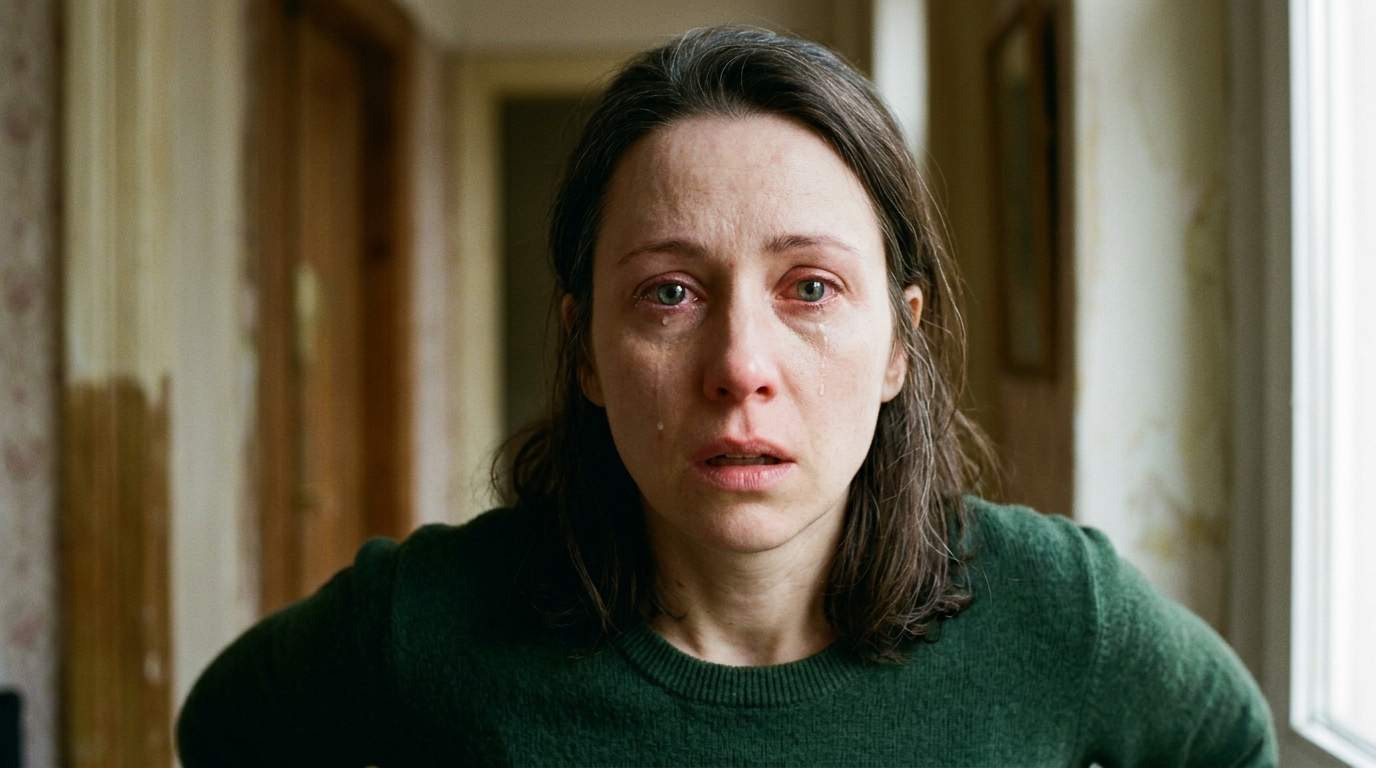
My world didn’t just crack; it shattered into a million irreparable pieces the day I learned the truth.
For six months, I had been living in a fog of fear and exhaustion, believing my husband, Mark, was gravely ill.
He had been diagnosed with a mysterious chronic condition, requiring constant care, special diets, and frequent, lengthy "treatment" sessions out of town.
I cancelled vacations, gave up hobbies, and put my own career on hold to be his rock, his caregiver, his everything.
Every night, I’d prepare his bland meals, measure his medications, and sit by his side, listening to his labored breathing, tears silently streaming down my face.
He looked so frail, so vulnerable, and I swore to myself I would never leave his side, no matter what.
My friends worried about me, saying I was burning out, but I’d just smile sadly and say, "He needs me."
Mark, my high school sweetheart, the man I’d built a life with, was suffering, and I was going to fix it.
Or so I thought.
The first seeds of doubt were tiny, almost imperceptible.
A new expensive watch he wore to one of his "treatments," even though he rarely left the house otherwise.
A strange, floral scent on his clothes, not mine, not his, not medicinal.

His phone always on silent, always face down, always just out of my reach.
He’d brush off my questions with a weak smile, attributing it to his illness, his fatigue, his desire for privacy during such a difficult time.
And I, foolishly, blindly, loved and believed him.
Then came the day I ran out of his special, imported herbal tea – the only thing he claimed helped with his nausea.
He was "too weak" to go get it himself, and his usual "courier" was unavailable.
He gave me the address to a small, unassuming health store he swore by, "just a few blocks from his clinic."
It was a chilly Tuesday afternoon, and the city traffic was unusually light.
I pulled up to the address, and it wasn’t a health store at all.
It was a quiet residential street, lined with oak trees and quaint suburban houses.
Confused, I checked the address on the crumpled piece of paper again.
It was right.
I decided to drive slowly down the street, thinking perhaps the store was tucked away behind another building.
That’s when I saw it.
A bright blue minivan, identical to the one Mark's "courier" drove, parked in front of a charming two-story house with a vibrant red door.
My stomach lurched, an icy dread beginning to coil in my gut.
As I drove past, slowing almost to a stop, I saw him.
Mark.
My "sick" husband.
He was standing on the porch, not looking frail, not looking weak, but vibrant, laughing.
He was holding a little girl, maybe five or six, in his arms, swinging her playfully.
A woman, attractive and smiling, stood beside him, her arm casually linked through his.
They looked like a family.
His face, which I had only seen etched with pain and fatigue for months, was radiating pure, unadulterated joy.