The Unspeakable Act
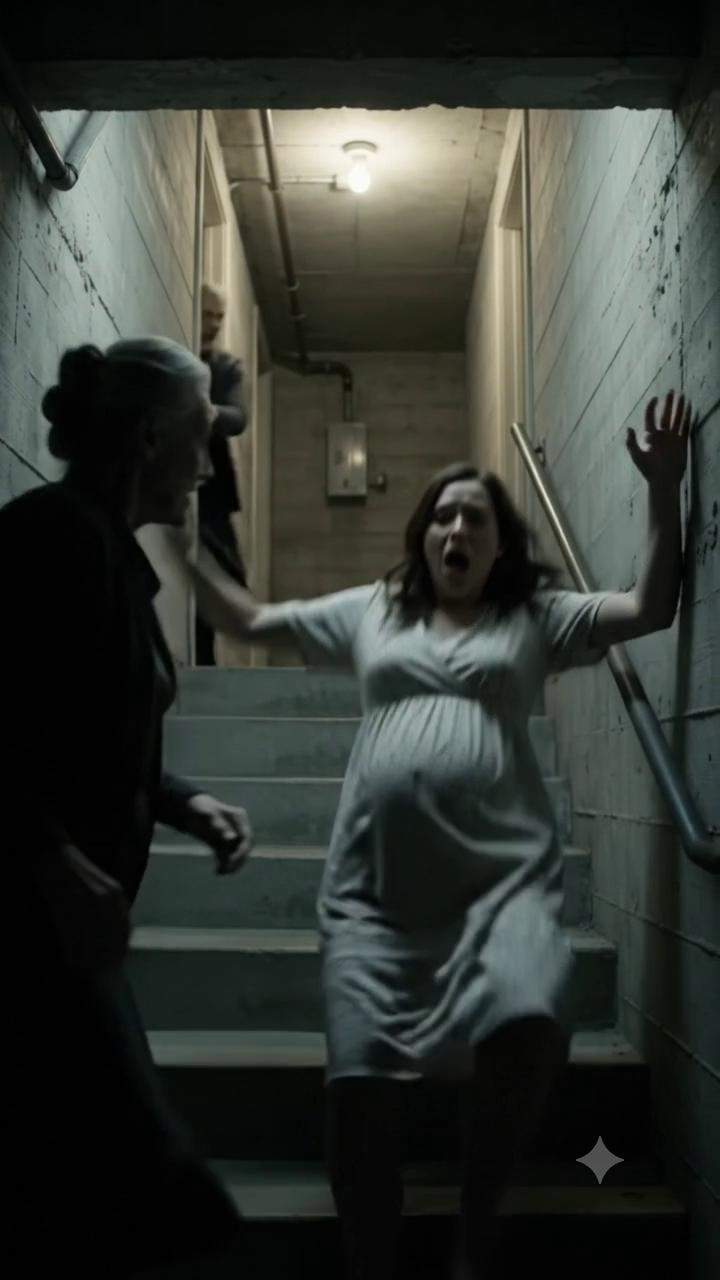
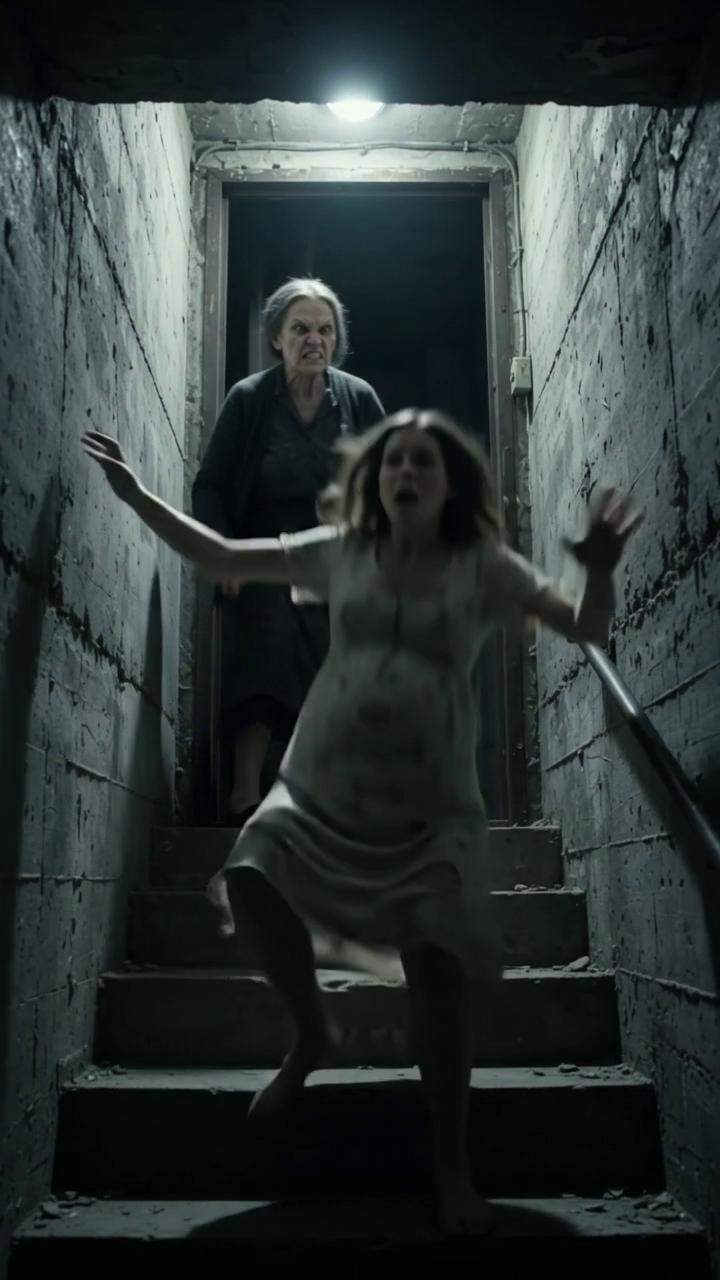
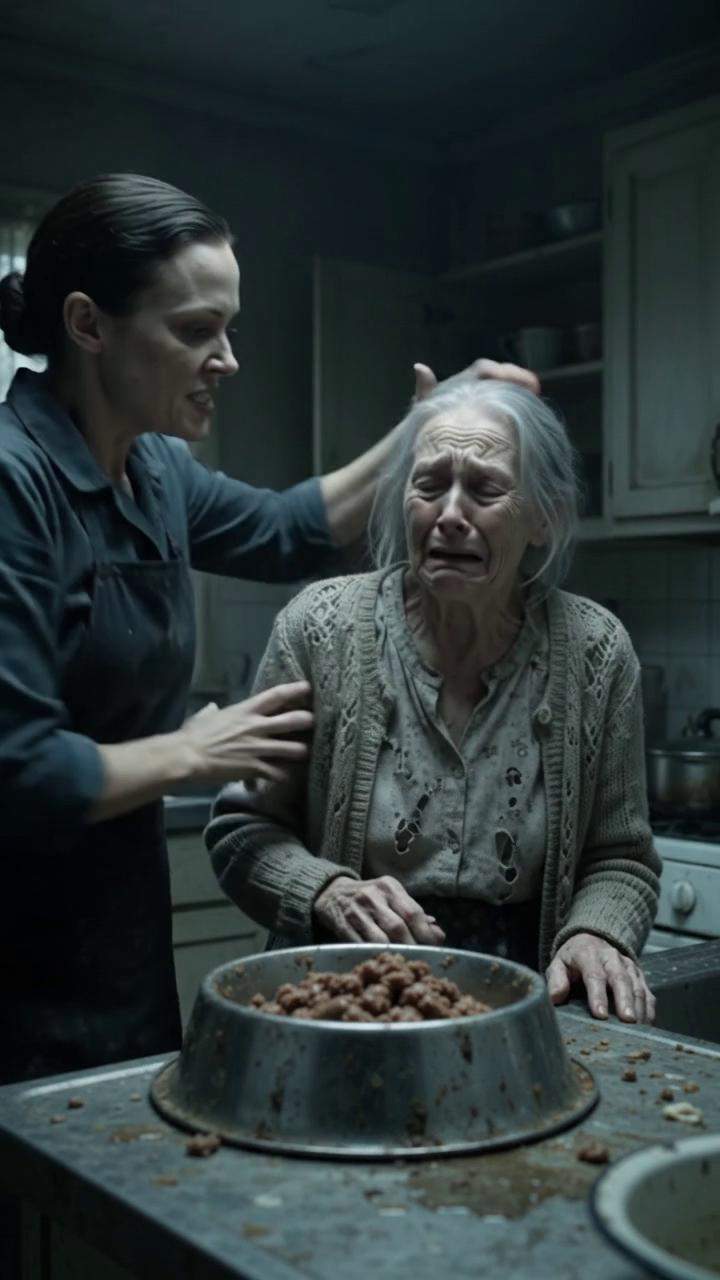
The kitchen, usually the heart of their home, was a tomb of shadows, a single, weak bulb fighting the encroaching dusk. Clara stood over the hunched figure of her mother-in-law, Elara, the dim light glinting off the cheap metal bowl in her hand. Her own face was a canvas of exhaustion, etched with lines of worry and a flicker of something close to despair. A thick, unappetizing paste, gray and lumpy, filled the bowl, its stench faintly chemical, not savory.
- 1、The Unspeakable Act
- 2、A Shadow Over Their Home
- 3、The Unseen Burden
- 4、A Son's Blindness
- 5、The Shattered Silence
- 6、Unraveling the Truth
- 7、A New Kind of Battle
"Eat it, Elara," Clara’s voice was flat, devoid of emotion, yet tight with an unyielding resolve.
Elara, frail and thin, flinched, her eyes, rheumy with age and confusion, darting around the cold space. A whimper escaped her lips as Clara, with a sudden, aggressive motion, pushed the bowl closer, the clatter echoing in the quiet room. Elara’s face was shoved inches from the concoction, her weak protests turning into soft, despondent sobs. Clara watched, a muscle ticking in her jaw, her own internal scream mirroring Elara's silent one. This wasn't cruelty; it was a breaking point, a desperate, final measure.
"Since you insist on consuming everything else we own, you can have this," Clara muttered, her voice barely a whisper, filled with a twisted, hollow victory.
A wicked smirk, born of sheer, suffocating desperation, flickered across Clara’s face, a brief, dangerous acknowledgment of control. It was then, as Elara's first tear rolled down her withered cheek, that the heavy kitchen door exploded inward. The crash echoed like a gunshot, shattering the fragile tableau, the very air vibrating with its impact.
Leo stood framed in the doorway, his silhouette stark against the outside light, a briefcase still clutched in his hand. He was home early from his business trip, and the sight that greeted him instantly erased any fatigue from his face. His eyes, fixed on the scene before him, hardened into chips of obsidian. Clara's smirk vanished, replaced by an instant, paralyzing terror as she met her husband’s gaze.
Slow-motion seemed to claim the moment. Leo dropped his briefcase with a heavy thud, his furious roar filling the silence. He lunged forward, violently knocking the metal bowl from Clara’s grasp, sending the gray paste splattering across the cold linoleum. He then positioned himself between his mother and his wife, shielding the now openly weeping Elara, his back a wall of furious protection. His glare, burning into Clara, promised absolute, marriage-ending rage. The frame froze, suspended in the agonizing silence of a life irrevocably broken.
A Shadow Over Their Home
Leo and Clara had built a life on love, mutual respect, and a shared vision of a peaceful future. Their home, once vibrant with laughter and the innocent chaos of their two young children, had always felt like a sanctuary. That was before Elara, Leo’s widowed mother, had come to live with them two years ago. After a series of minor falls and increasing forgetfulness following Leo's father’s passing, it seemed the most natural and compassionate choice.
Initially, Elara’s presence was a gentle addition. Her stories entertained the children, and her quiet companionship was a comfort. But slowly, subtly, a shadow began to creep into their home. It started with small things: misplaced keys, repetitive questions, a strange smell emanating from her room that she dismissed as old age. Leo, fiercely protective of his mother, brushed off Clara’s concerns, attributing them to stress or Elara simply adjusting to a new environment.
The subtle irregularities soon escalated into alarming behaviors. Elara began hoarding items, first innocuous things like old newspapers and plastic bags, then more unsettling objects hidden in every conceivable nook and cranny. Food, however, became the central obsession. Groceries would disappear moments after being unpacked, only to be discovered weeks later, spoiled, beneath beds or behind forgotten furniture. The pantry, once orderly, became a battleground against moths and mold, a testament to her compulsive hiding.
Clara tried to manage, to reason, to gently redirect. But Elara's confusion often veered into defensive anger, her frail frame masking a stubbornness that Clara found impossible to breach. The financial drain became significant; food wasted, items damaged by neglect, and Clara suspected Elara might even be discreetly shoplifting small, unnecessary trinkets, though she could never prove it. Each incident chipped away at Clara’s patience, her spirit, and the family’s savings.
The children, once delighted by their grandmother, began to whisper. They found rotting fruit under their beds, their toys disappeared into Elara’s growing piles of forgotten possessions. Their anxiety grew, mirroring Clara’s own, creating an atmosphere of constant tension that Leo, away on frequent business trips, seemed oblivious to.
The Unseen Burden
Clara found herself increasingly isolated, carrying the weight of a secret crisis that was slowly but surely consuming her family. She had tried, truly tried, to get Elara help. Numerous doctor’s appointments were arranged, only for Elara to charm the medical professionals with her sweet, elderly demeanor, dismissing Clara’s descriptions as exaggeration or simply "a daughter-in-law’s complaints." Leo, despite Clara’s pleas, remained in a state of denial, his love for his mother blinding him to the stark reality. He’d insist Elara was "just a little eccentric," or that Clara was "too hard on her."
With Leo often away, Clara bore the brunt of Elara’s escalating behaviors. One particularly harrowing evening, she discovered Elara attempting to eat raw, molding chicken, convinced it was a delicacy. Another time, the children’s entire week’s worth of lunch snacks, carefully packed, vanished, later found crumbling under Elara’s mattress. It was a vicious cycle of fear, frustration, and a pervasive sense of helplessness.
The paste in the metal bowl, the one Leo had just violently knocked away, was not dog food. It was a specially formulated nutrient supplement, prescribed by a geriatric psychiatrist Clara had finally managed to consult in secret. Elara had been refusing to eat anything else, either hiding it or declaring it "poisoned." The psychiatrist had suggested a strict, unappetizing regimen to ensure Elara received essential nutrients, hoping to stabilize her. Clara, at her absolute wit's end, had finally resorted to a desperate, last-ditch effort at tough love. The metal bowl, a relic from their old camping gear, had simply been the nearest, most practical container. Clara’s breaking smirk was not malice, but the desperate, fleeting triumph of a woman pushed past her limits, hoping against hope that this shock, this humiliation, would finally break through Elara’s confused resistance. She was fighting for Elara’s health, fighting for her family’s sanity.
Clara’s internal conflict was agonizing. She loved Elara, the sweet woman she knew existed beneath the layers of illness. But she also had to protect her children, her home, and her own rapidly diminishing mental health. This act, however cruel it appeared, was born of a brutal, soul-deep exhaustion and a desperate hope for change.
A Son's Blindness
Leo’s return had been precipitated by a chilling phone call from a neighbor, Mrs. Henderson, a woman usually reserved and stoic. Mrs. Henderson had reported seeing Elara wandering aimlessly down the street in her nightclothes, carrying a handful of withered leaves, convinced they were gold. She’d managed to coax Elara back inside, but her concern had been palpable, urging Leo to come home. Coupled with a cryptic email from his personal assistant about unusual withdrawals from their joint account, Leo had felt a cold dread settling in his stomach. He’d cut his trip short, a sense of foreboding guiding his hurried drive home.
He had always seen his mother as the epitome of gentle grace, a woman deserving of nothing but comfort and peace in her twilight years. He idealized her, remembering only the kind, strong woman who had raised him. Any negative report from Clara about Elara's behavior was filtered through his denial, seen as an exaggeration or a sign of Clara’s own stress. He believed Clara, a young woman, should be more resilient, more understanding.