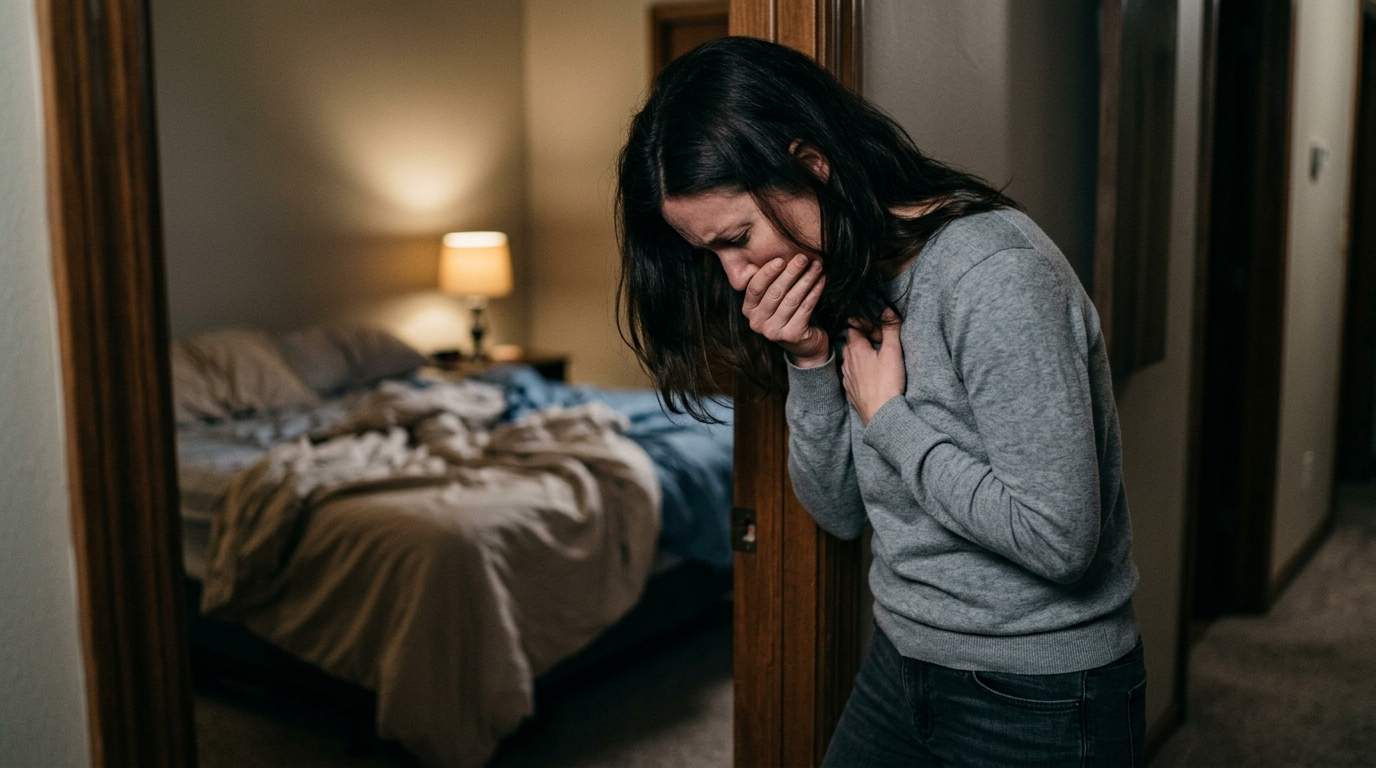
My hands still shake when I think about that day.
It wasn't a sudden, explosive argument, but a quiet, insidious unraveling of everything I believed to be true.
Mom was fading fast in room 412, her breath shallow, her strength dwindling with each passing hour.
We, her children, were supposed to be her comfort, her rock, in those final, sacred weeks.
Sarah, my older sister, seemed to be the picture of devotion.
She was always there, almost too present, hovering over Mom’s bedside, managing visitors, fielding calls.
I admired her strength, her seeming dedication, during such an agonizing time.
Little did I know, she was meticulously dismantling our family’s future, piece by agonizing piece.
The phone call from Mr. Davies, Mom's estate lawyer, changed everything.
He sounded hesitant, almost apologetic, when he asked me about the recent "amendments" to Mom’s living trust.
Amendments?
My heart hammered against my ribs, a cold dread seeping into my bones.
Mom hadn't been coherent enough to sign her name properly in weeks, let alone make complex financial changes.
I told him it was impossible.
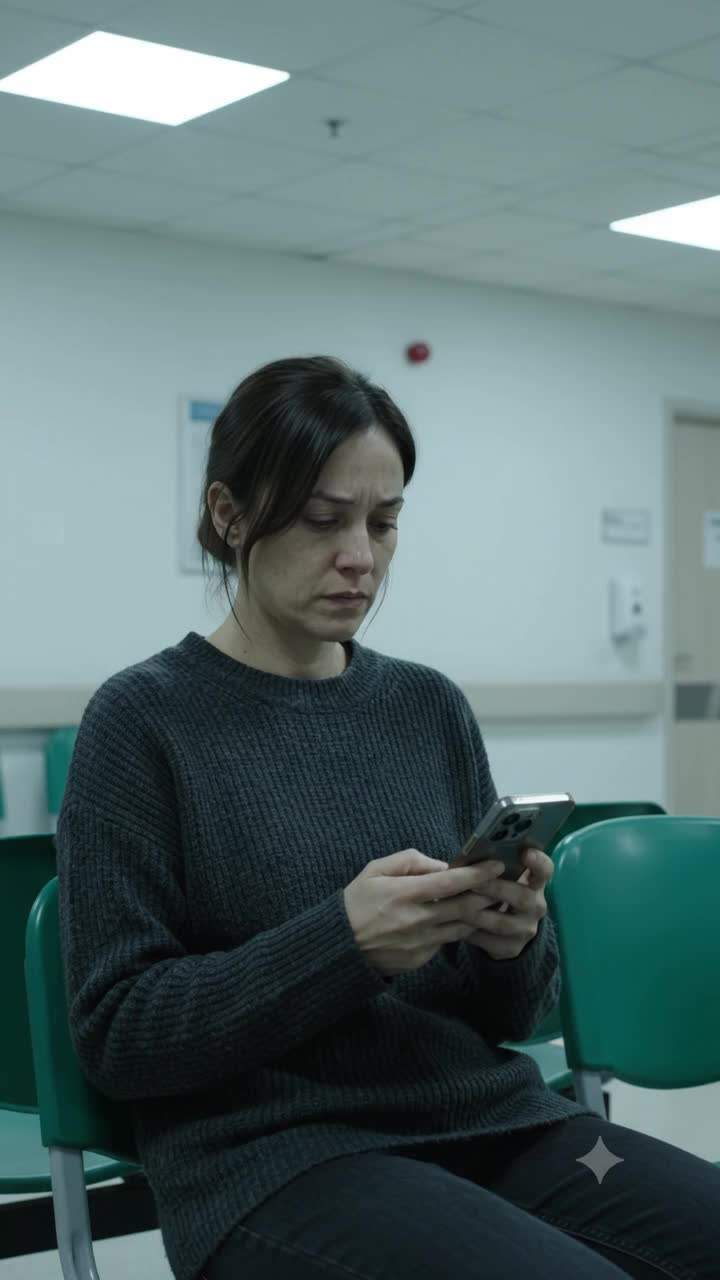
He sighed, a heavy sound, and then explained the new documents bore Mom's signature, dated just a month prior.
He said Mom’s entire living trust had been liquidated, and the funds transferred to a new, private account just weeks before.
My mind raced, trying to grasp the enormity of what he was implying.
Who would do such a thing?
A chilling realization washed over me, a gut feeling so vile I almost choked on it.
Sarah.
It had to be Sarah.
She was the only one who had constant access, the only one who seemed to know every detail of Mom's affairs.
I confronted her in the hushed hospital hallway, away from Mom's fragile ears.
Her face, usually so composed, flickered with something I couldn't quite place – a defensive tremor in her smile.
"What are you talking about?" she asked, her voice a little too high-pitched.
I held up the printout Mr. Davies had faxed, showing the transfer details, the "amended" trust.
Her eyes darted over the documents, her color draining to an ashen grey.
"Mom wanted to simplify things," she stammered, "She asked me to handle it."
The lie hung in the air, thick and suffocating, like the smell of antiseptic.
Mom couldn't even choose what she wanted for breakfast, let alone orchestrate a sophisticated financial maneuver.
She tried to spin a story, a convoluted tale of Mom's wishes for privacy and tax benefits.
But the numbers didn't lie.
The entire trust, everything Mom had worked for her whole life, was gone, funneled into an account solely in Sarah's name.
My knees felt weak, my vision blurred with a mix of rage and disbelief.
How could she?
How could my own sister do this, while our mother lay dying mere feet away?
The thought was a physical blow, leaving me gasping for air.
I spent sleepless nights poring over bank statements, legal documents, and the increasingly damning evidence.
Each discovery was another nail in the coffin of our sisterly bond.
Sarah had systematically emptied Mom's accounts, sold off small investments, and even moved larger assets.
She had used her proximity to Mom's declining health as a shield, a cloak for her avarice.