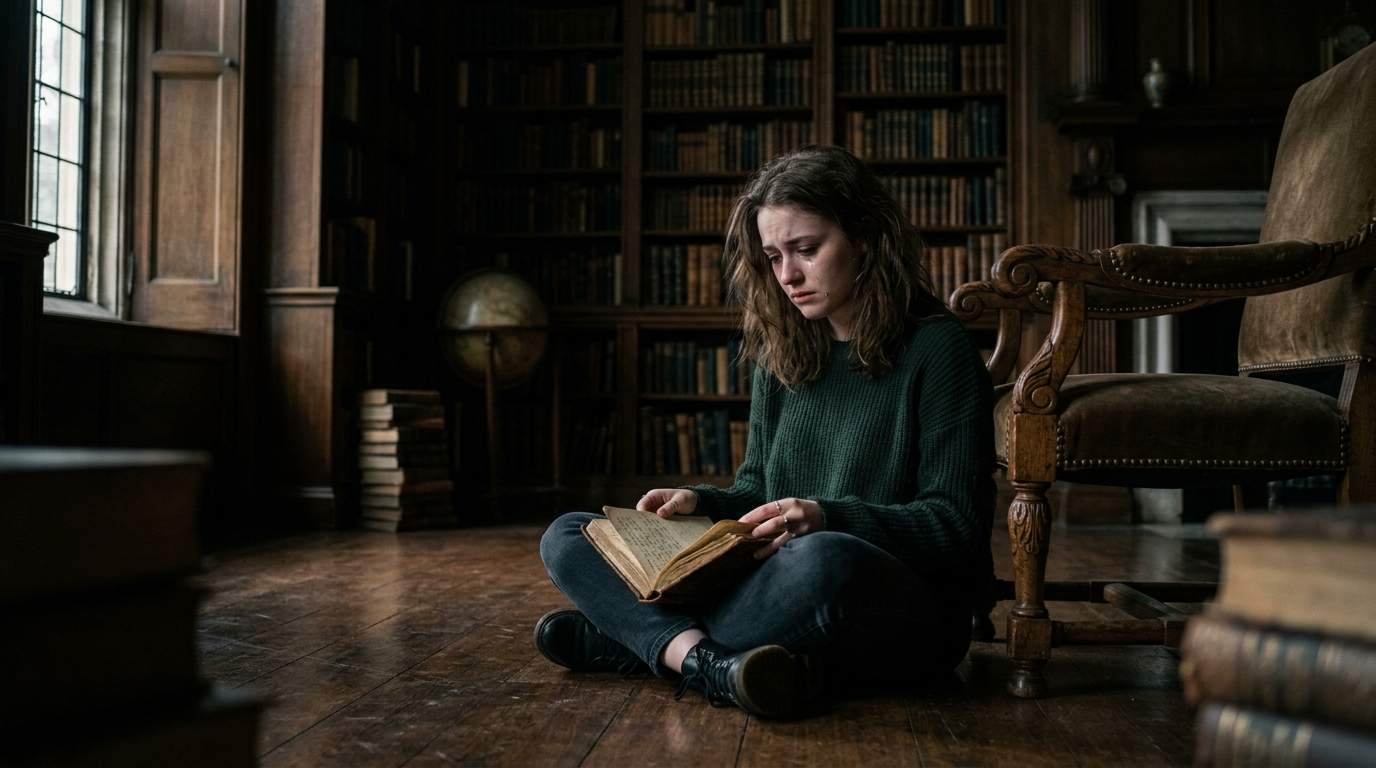
The silence in Grandma Rose’s old mansion was deafening after she passed.
Every creak of the floorboards echoed her absence, a vast emptiness I still couldn't quite grasp.
I'd inherited the sprawling, slightly dusty house, a place filled with so many cherished childhood memories.
But beneath the nostalgia, there was always a faint hum of something else, a secret the walls seemed to hold.
Weeks turned into months as I slowly went through her belongings, each item a tiny piece of her story.
I started with the living room, specifically the grand, ornate fireplace where we used to gather for holidays.
One rainy afternoon, tracing the intricate carvings, my finger brushed against a loose stone panel on the side.
It wasn't obvious, designed to blend perfectly with the aged brickwork.
My heart skipped a beat, a sudden jolt of pure adrenaline.
With a gentle push, the panel gave way, revealing a small, dark cavity.
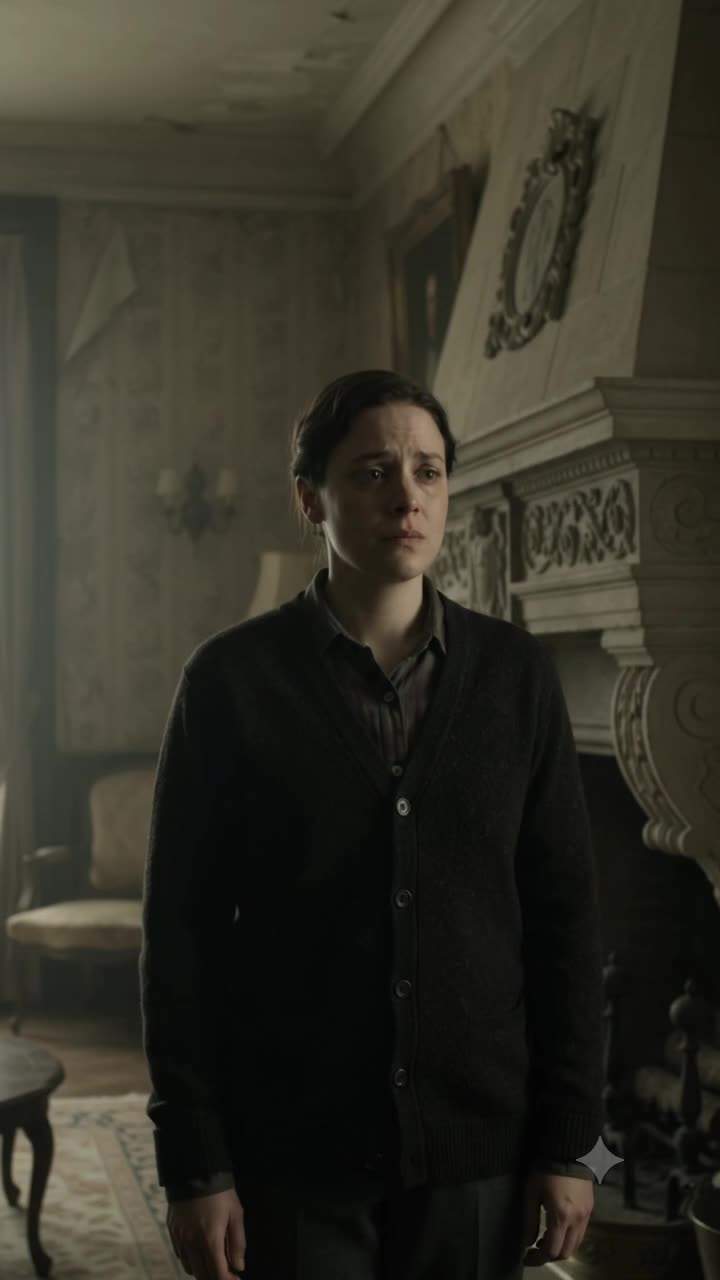
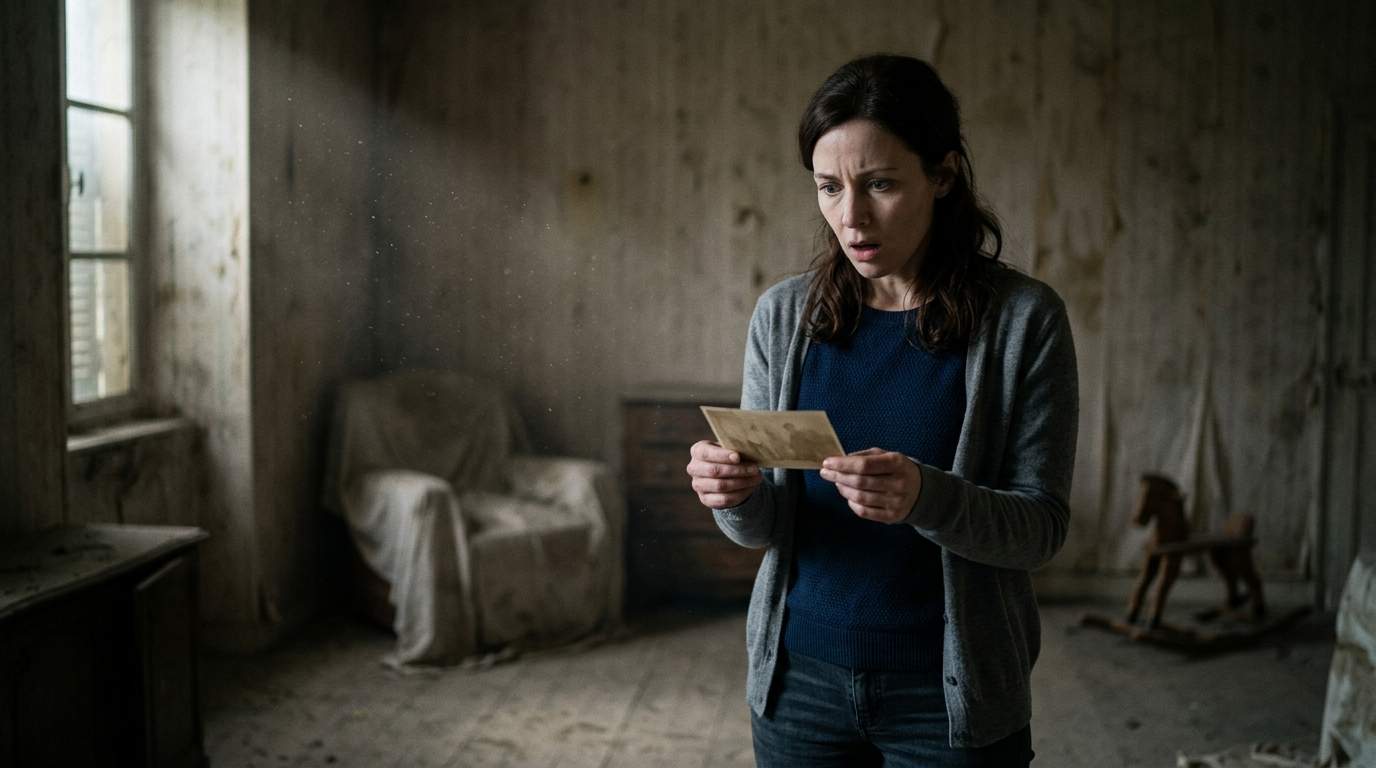
Inside, nestled in the dust, was a tarnished metal box and a bundle of yellowed letters tied with a ribbon.
My hands trembled as I pulled them out, the paper feeling fragile, ancient.
The letters were addressed to Grandma Rose, but the sender was unfamiliar: "Daniel Thorne."
The dates were from before she even met my Grandpa Arthur, decades before I was born.
I opened the first letter, its elegant script a stark contrast to the shocking words it contained.
It spoke of a child, a baby boy, given up for adoption in secret.
My breath hitched; this couldn't be right.
Grandma Rose, the pillar of our family, the sweet, gentle woman I adored, had a hidden past.
The next letter, and the one after that, painted a heartbreaking picture of a forbidden love and an impossible choice.
She had been forced to give up her son, not out of malice, but desperation and societal pressure.
She never told Grandpa Arthur; she carried this immense burden alone for over seventy years.
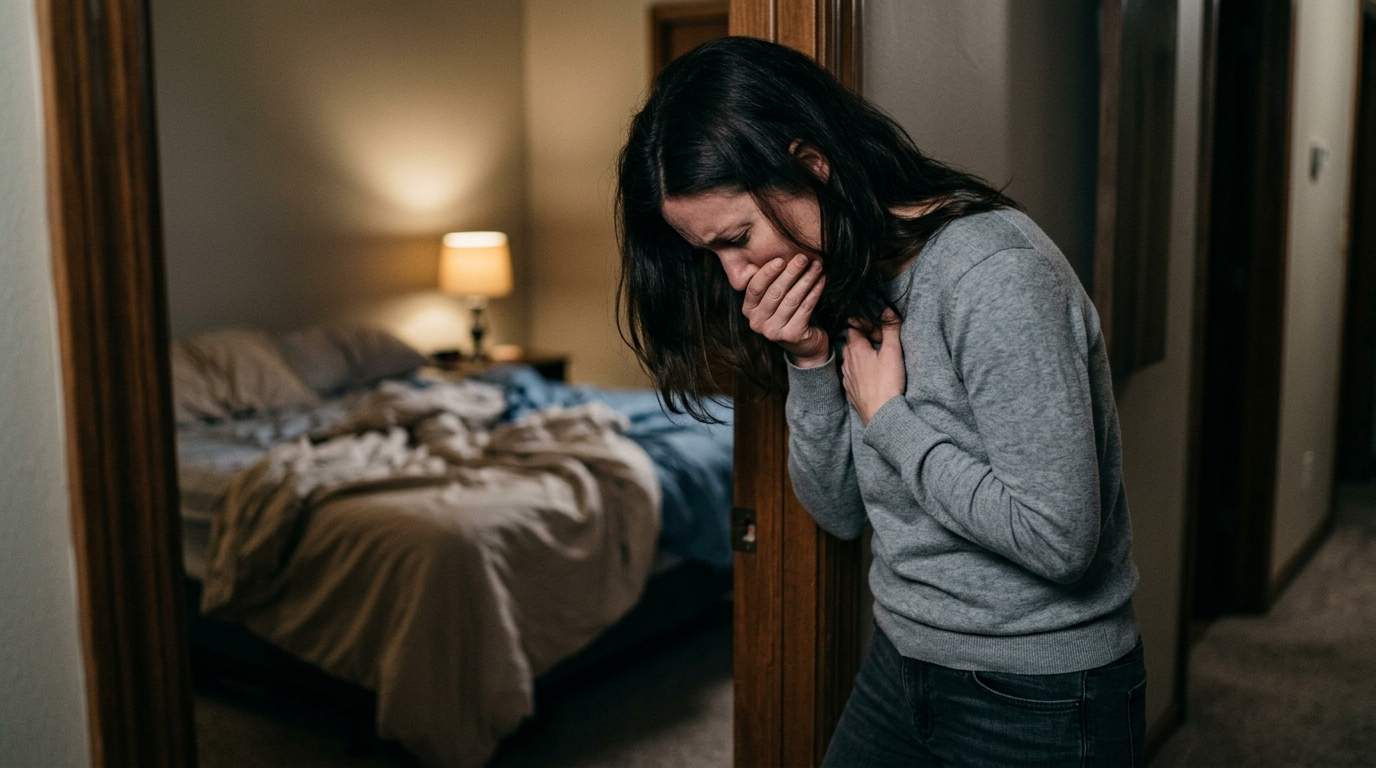
Each sentence I read felt like a punch to the gut, unraveling the very fabric of my family’s history.
The pristine image of my grandmother, the saintly figure, began to crack and splinter.
This wasn't a betrayal of love, but a betrayal of truth, a lifetime lived under a carefully constructed facade.
I pictured her, growing old, carrying this secret close, never breathing a word.
The weight of her silence settled heavily on my own shoulders.
Then, in the final letter, a name was mentioned, a location: "St. Jude's Orphanage, Chicago, 1948."
And a faint, almost illegible postscript: "He was adopted by the Miller family, Daniel. Please, never forget him."
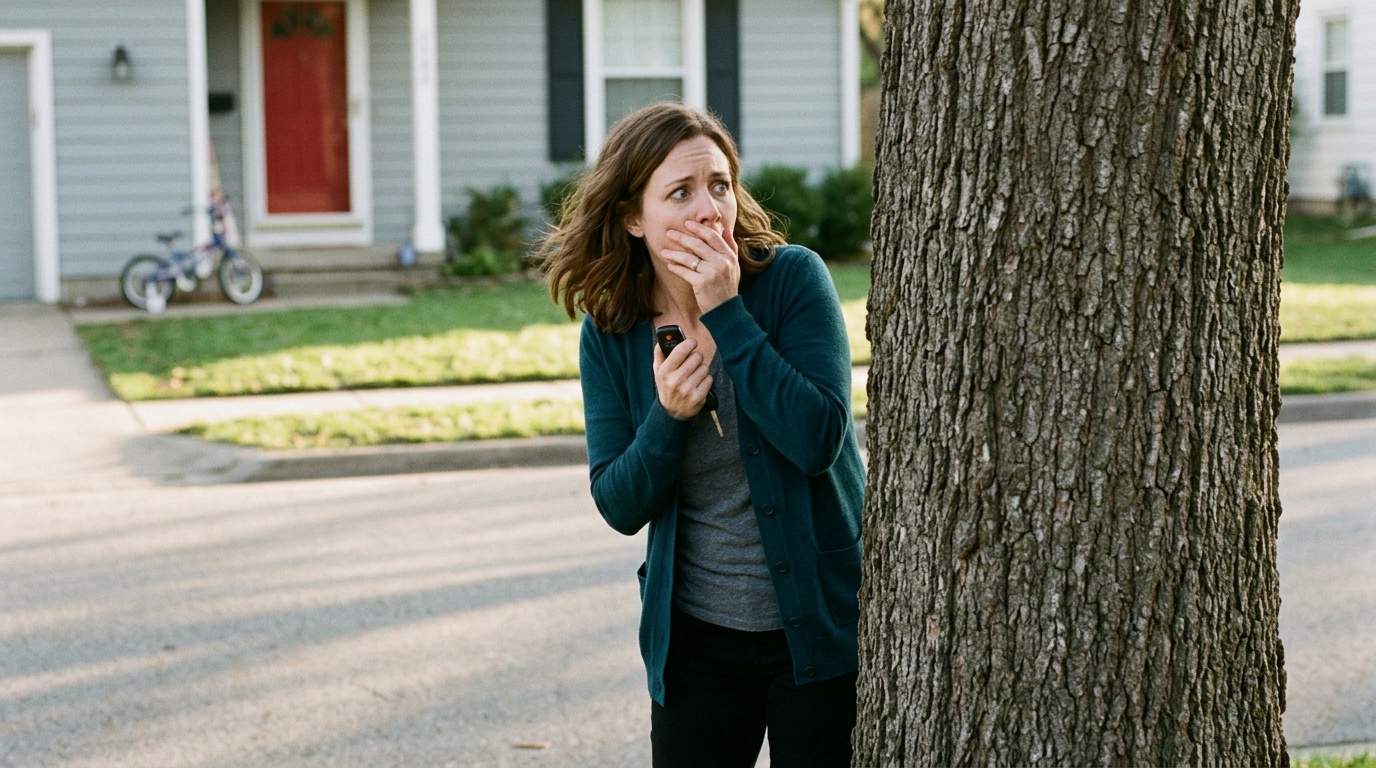
A cold dread washed over me; the Millers were our neighbors growing up, our closest family friends.