The dust still settles on my soul from that day.
I used to think I knew my father, knew our life in the sprawling, old mansion.
Every corner, every shadow, felt like home, until one particular shadow swallowed everything I believed.
Now, the silence in these halls screams louder than any nightmare I could ever imagine.
Nothing, absolutely nothing, will ever be the same again for any of us.
It all started subtly, with a growing unease I couldn't quite place, a persistent whisper in the back of my mind.
After my mother passed last year, Dad retreated deeper into himself, into the mansion's vast, echoing solitude.
He spent hours in his study, a room I rarely entered, its heavy oak door often locked and guarded by his silent presence.
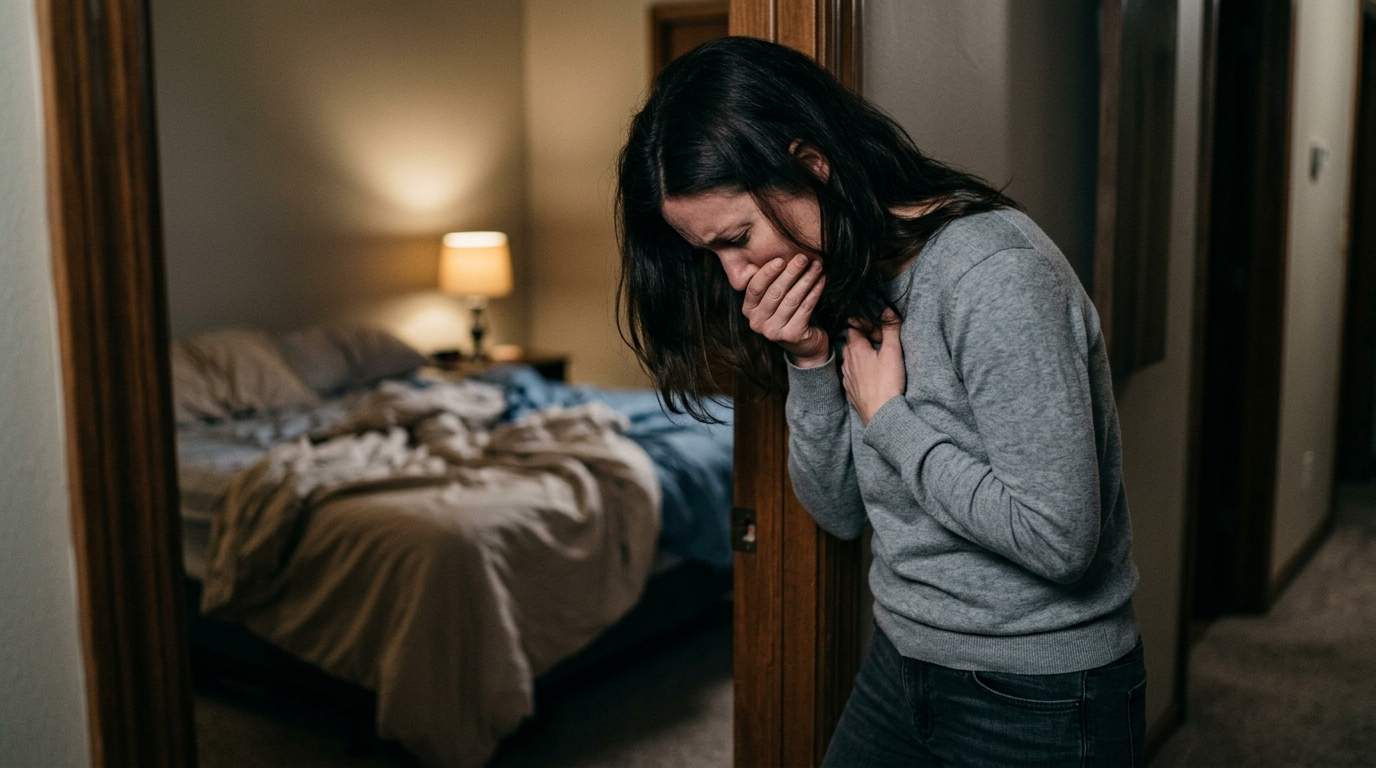
I just assumed it was profound grief, a man utterly lost without his lifelong partner, my beautiful mother.
The mansion itself felt heavier then, its ancient walls seemingly holding more secrets than usual, more weight.
We’d lived there my entire life, generations of our family before us, each room steeped in history and presumed truth.
But some history, I was about to learn with a sickening lurch, was deliberately, brutally buried.
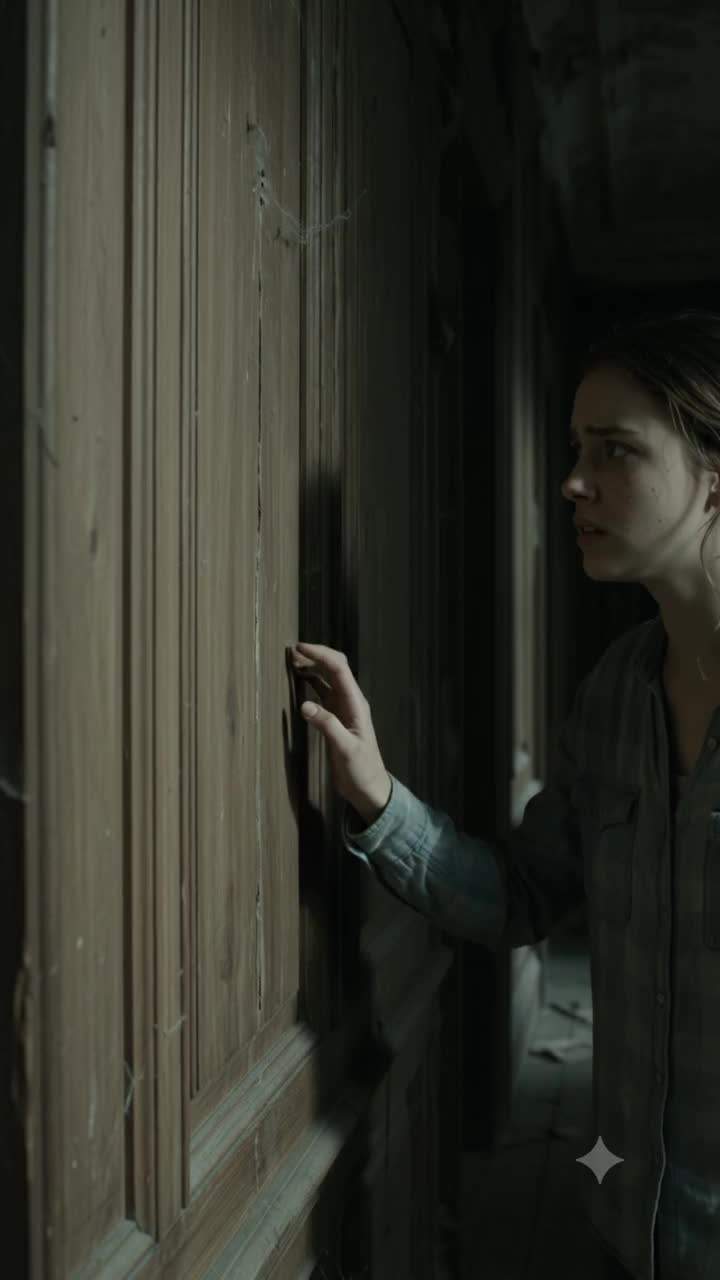
My father’s behavior grew increasingly erratic; he became jumpy at sudden noises, his eyes perpetually haunted.
He would sometimes pace the third-floor hallway late at night, a wing of the house largely unused for decades.
I brushed it off, attributing his oddities to his sorrow and the burden of managing the massive estate alone.
That fateful Tuesday, I decided to tackle the old servants' quarters, a forgotten wing on the third floor, preparing for eventual renovations.
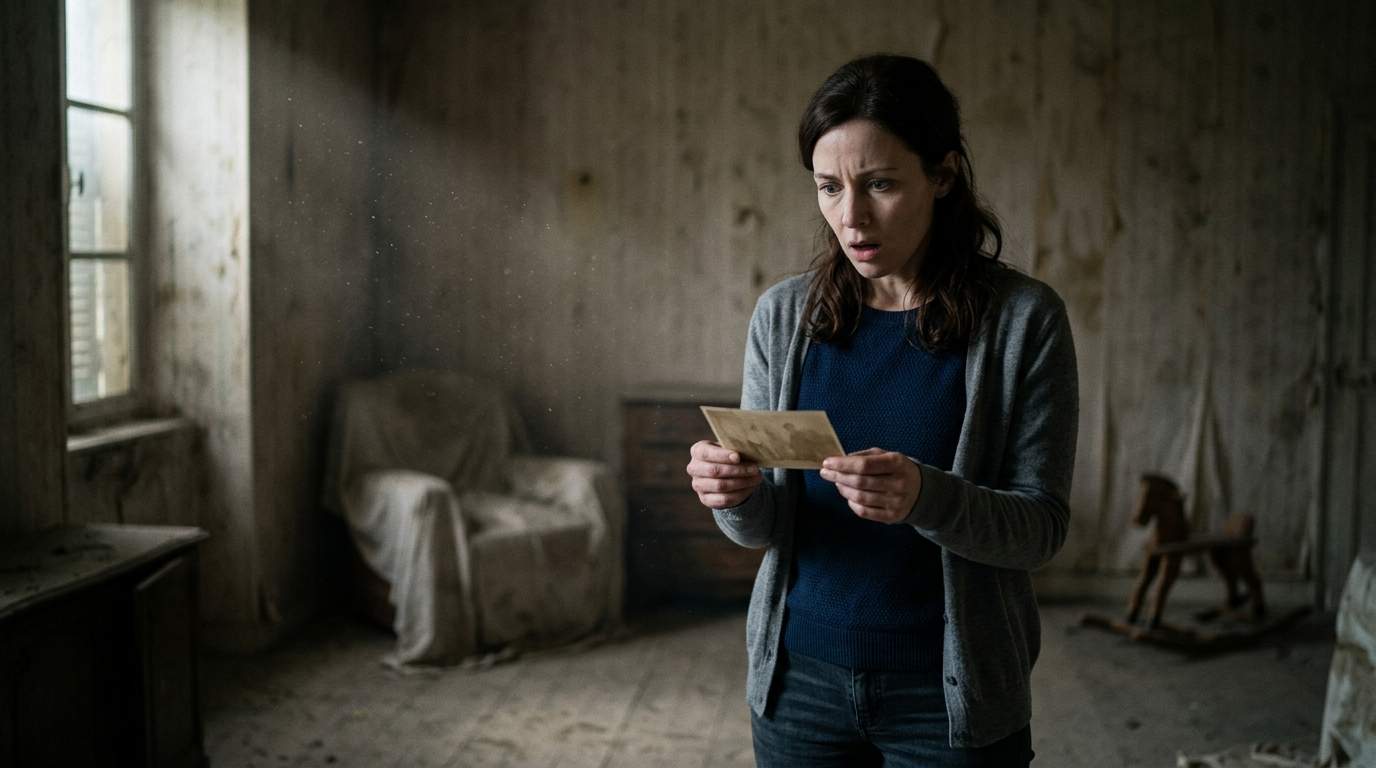
It was a tedious task, filled with cobwebs, decaying fabric, and the ghosts of forgotten memories.
I was pulling down a section of crumbling plaster wall near where a dusty, built-in bookshelf once stood, an afterthought in the original design.
My hand brushed against something cold, something firm and out of place behind the lath and plaster.
I chipped away more plaster, my fingers tracing the outline of a hidden door, almost imperceptible against the aged, dark wood paneling.
My heart hammered against my ribs, a primal, frantic warning bell ringing in my ears.
I pushed hard against the seam, and with a soft, grinding sigh of protest, the hidden panel swung inward into absolute darkness.
The air that rushed out was stale and heavy, thick with the smell of old paper, damp earth, and something else, something vaguely metallic and disturbingly human.
I flicked on my phone's flashlight, its narrow beam cutting through the oppressive, suffocating gloom of the tiny, windowless room.
My breath hitched, a strangled sound caught in my throat, as the light landed on a small, huddled form in the far corner.
It was a child, a little girl, no older than seven or eight, her huge eyes wide and terrified in the sudden, piercing glare.
She looked fragile, almost transparent, dressed in simple, worn clothes, her small frame curled into itself.
A makeshift bed of old blankets, a few well-loved, dusty toys, and a small, half-eaten bowl of cold porridge lay beside her.
This wasn't just a hidden room; it was a cage, a horrifying, secret prison.
A child. In my family's mansion. My mind reeled, struggling desperately to comprehend the impossible reality before me.
I ran downstairs, my legs heavy and numb, the image of the frightened child burned into my brain, her silent plea echoing.
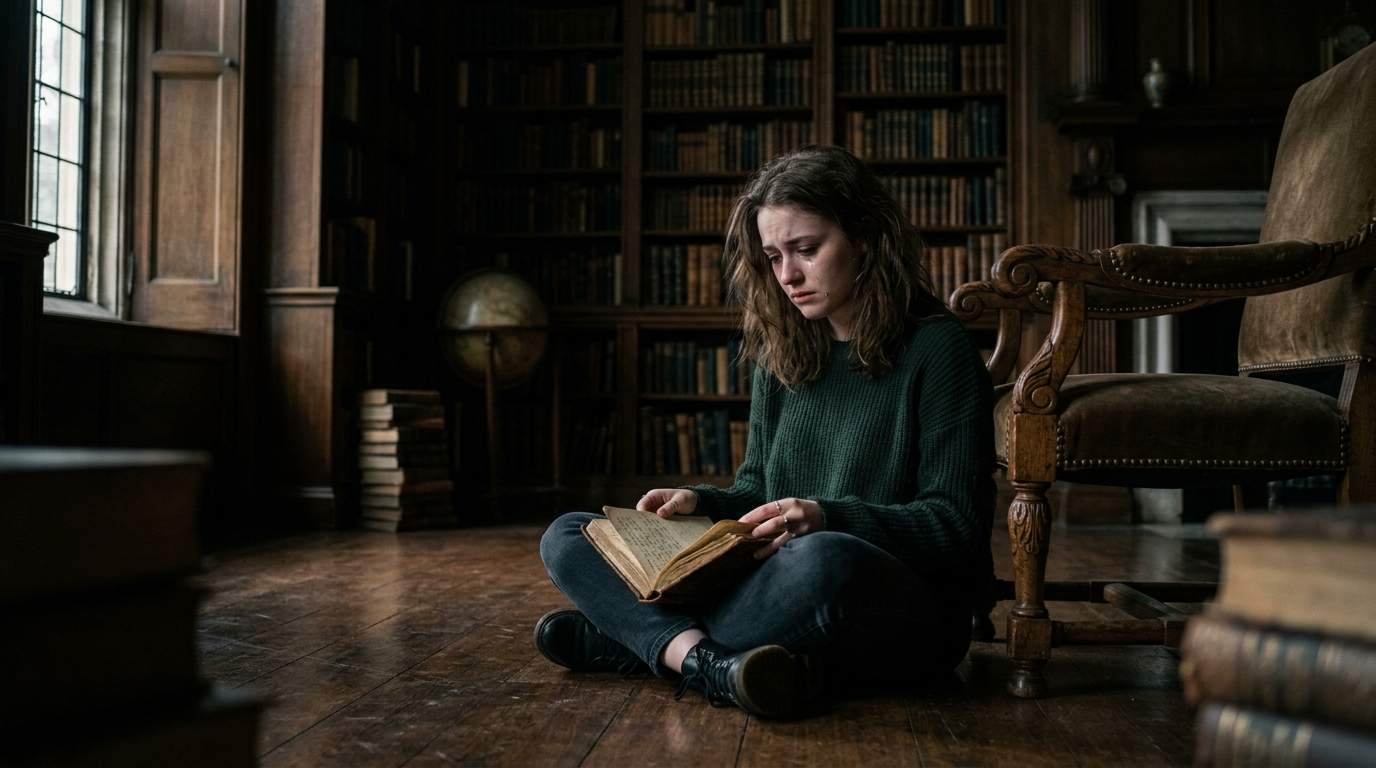
My father was in his study, reading a thick book, seemingly calm and utterly absorbed, a perfect picture of genteel solitude.
"Dad," I gasped, my voice barely a whisper, ragged with disbelief, "there's a child in the hidden room upstairs!"
His face, usually so composed and stoic, went utterly white, his book clattering to the polished wooden floor with a resounding crash.
The immediate, stark panic in his eyes, a terror I had never seen before, confirmed my very worst, unspoken fear: he knew.