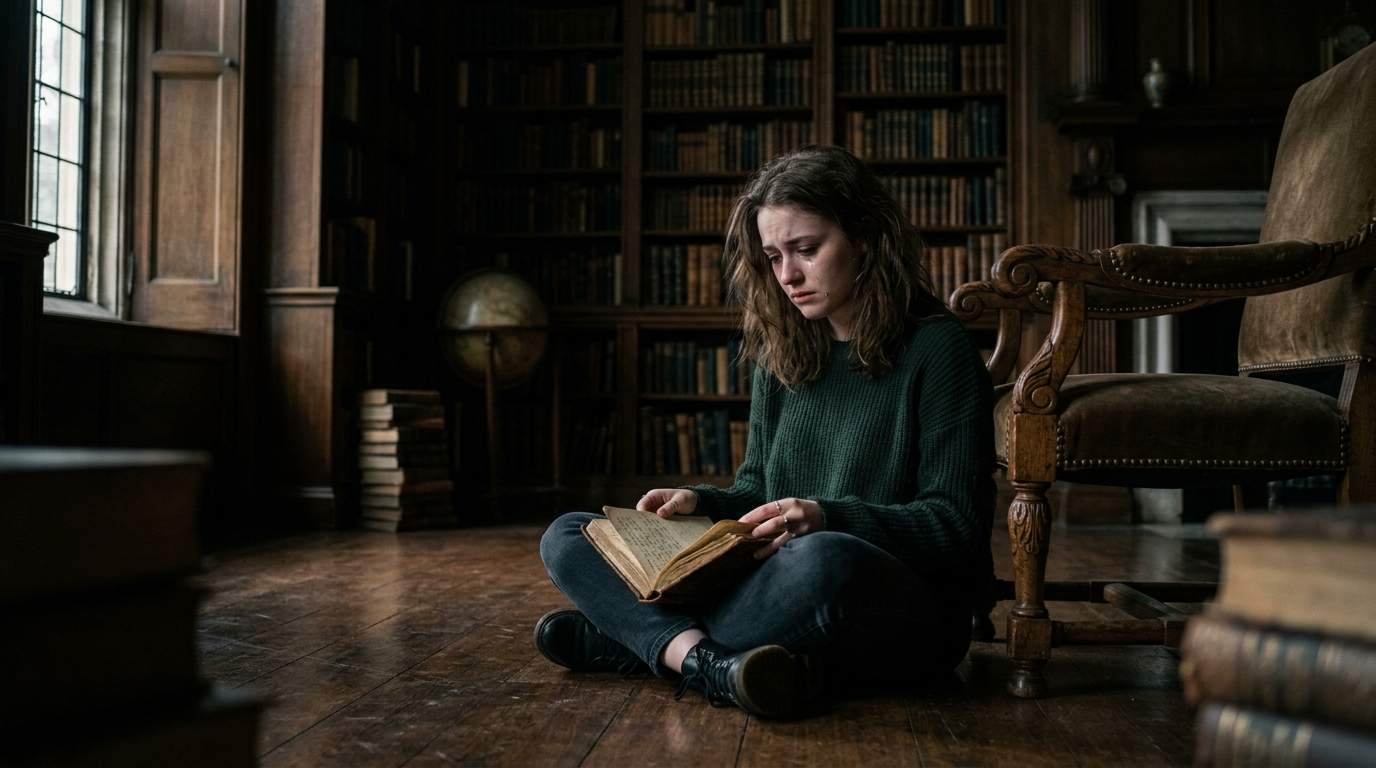
Blackwood Manor always felt like a tomb, not a home.
Every creaking floorboard echoed with the silence of my mother’s absence.
They said she died of a sudden illness, a quiet tragedy that tore our family apart.
But deep down, a knot of unease had always twisted in my gut.
After years, I finally decided to face the ghosts and clean out the estate.
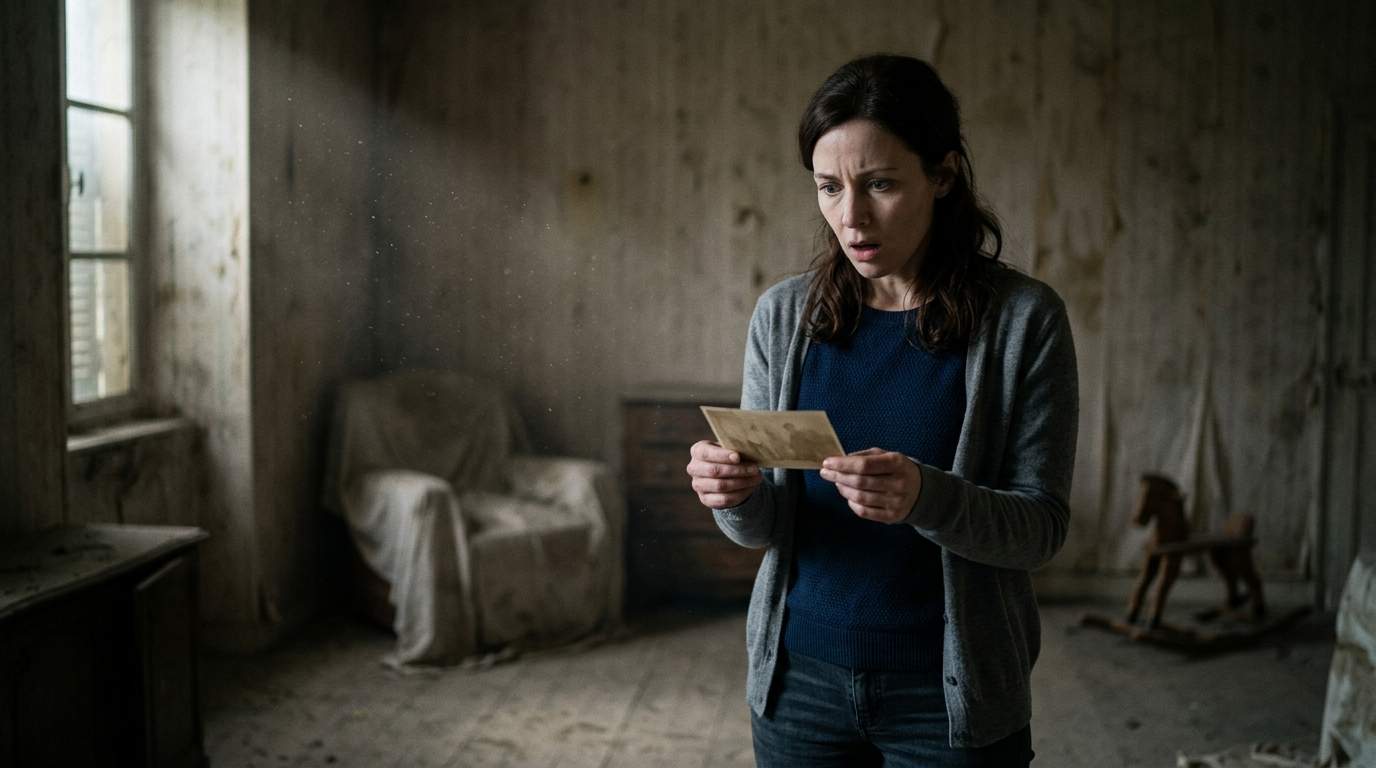
Dust motes danced in the sparse light, illuminating forgotten corners.
One rainy afternoon, exploring the library, my hand brushed against a loose panel behind a towering bookshelf.
It was barely noticeable, camouflaged by decades of grime and old wood.
My heart hammered against my ribs, an ancient instinct pulling me forward.
With a gentle push, a small section of the wall receded, revealing a narrow, dark space.
A musty smell, thick with secrets, wafted out.
Inside, tucked away on a dusty shelf, sat a single, leather-bound book.
My mother's familiar handwriting, etched on the cover, sent a jolt through me: her diary.
I pulled it out, trembling, the weight of it feeling impossibly heavy.
Back in the main hall, sunlight now streamed through the leaded windows, but I felt only shadow.
The first entries were innocuous, daily thoughts, garden notes, recipes.

Then, a shift: short, cryptic sentences, filled with unease and fear.
She wrote about strange occurrences, whispered arguments late at night, a feeling of being watched.
There were coded messages, references to 'the secret' and 'his temper'.
My father's face, usually a comfort, began to warp in my mind as I read.
She mentioned a specific date, months before her death, marking it as 'the beginning of the end'.
A particular entry, barely legible, detailed a confrontation, a threat, a desperate plea for help.
She wrote of a desperate plan to expose something, to leave, to protect me.
And then, the last entry: a hurried scrawl, a desperate confession, implicating someone I thought I knew.
The words burned into my brain, scorching away all childhood innocence.
My mother didn't just die; she was silenced, her truth buried with her.
The illness was a lie, a cruel, elaborate cover-up orchestrated by someone within our own walls.
Every memory, every family dinner, every quiet moment now felt like a carefully constructed deception.
I could hear her voice in those frantic sentences, hear her fear, her pain, her ultimate sacrifice.
This mansion wasn't just a home; it was a prison, a tomb for a terrible truth.
And now, I was the one holding the key, the terrifying knowledge of what truly happened.
My world, built on foundations of love and trust, had crumbled into dust.
The consequences of this truth are already weighing heavily on my soul, irreversible and suffocating.
I looked at the diary again, its pages filled with my mother's last desperate cries for justice.
This wasn't just my mother's secret anymore; it was mine, and it demanded to be heard.
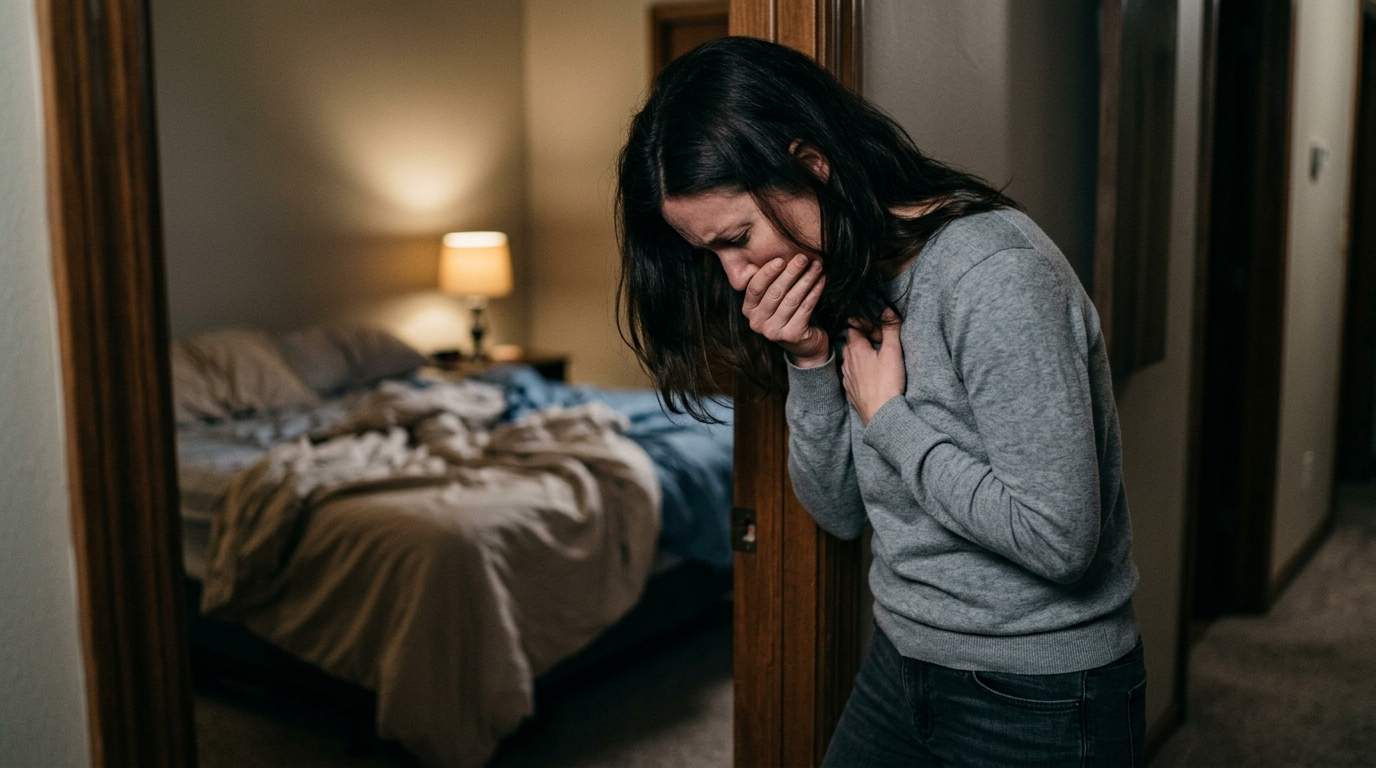
The weight of this discovery felt like a physical burden, pressing down on my chest.
I had to decide what to do with the explosive truth that had shattered my past.
The silent house suddenly screamed with a thousand unanswered questions.
I felt utterly alone, trapped in a nightmare woven from forgotten whispers and hidden lies.
My mother's last entry was a desperate plea for someone to believe her, to uncover the truth she couldn't.
Now, I understand her fear, her desperation, and the profound injustice of it all.
The darkness of Blackwood Manor felt like a living entity, its secrets now exposed.
I clutched the diary, feeling the cold leather, a testament to a life stolen and a truth concealed.
This hidden truth changed everything I thought I knew about my family.
The comfortable facade of my childhood shattered into irreparable pieces.
My mother’s ghost was finally speaking, and I was listening.
The mansion, once a symbol of legacy, now reeked of betrayal and murder.
I felt a fierce, burning anger ignite deep within me.
Justice was owed, and I was now the instrument of its reckoning.