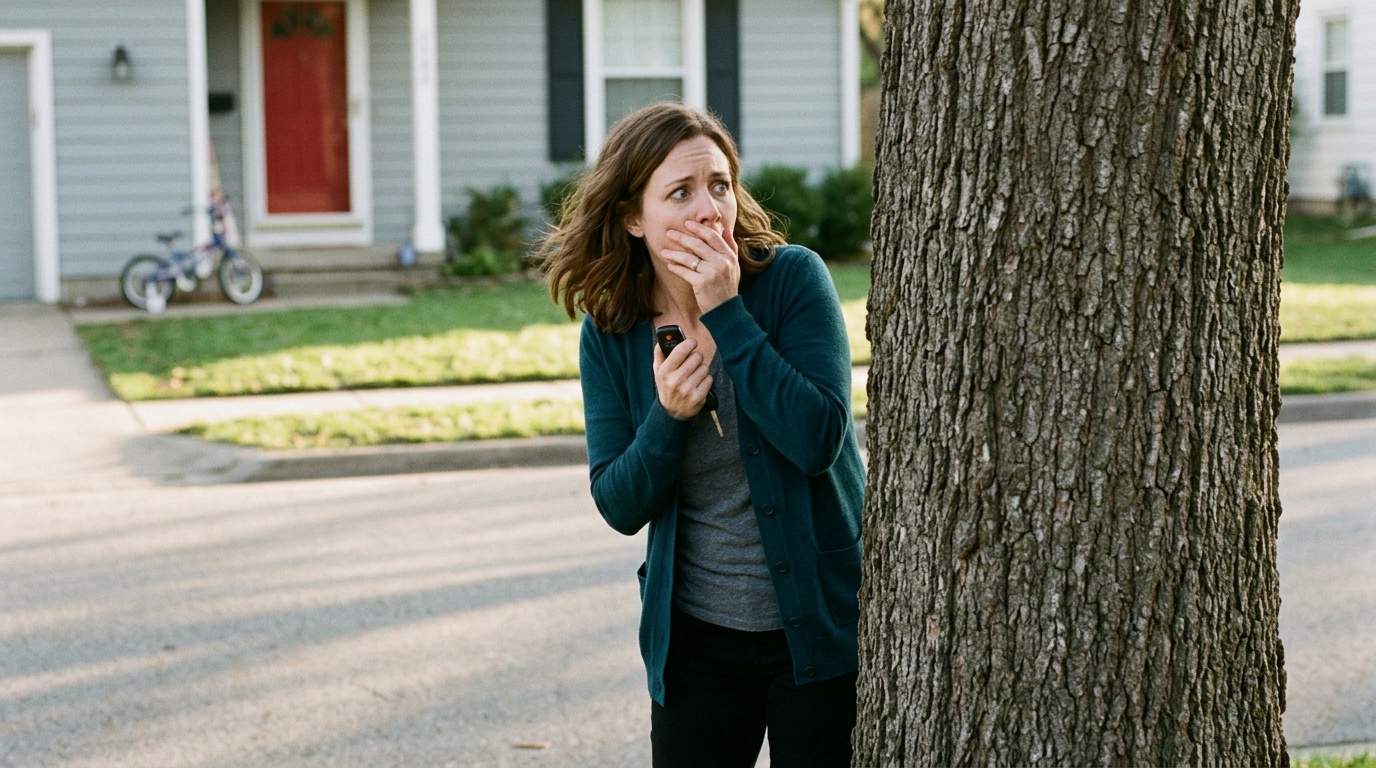
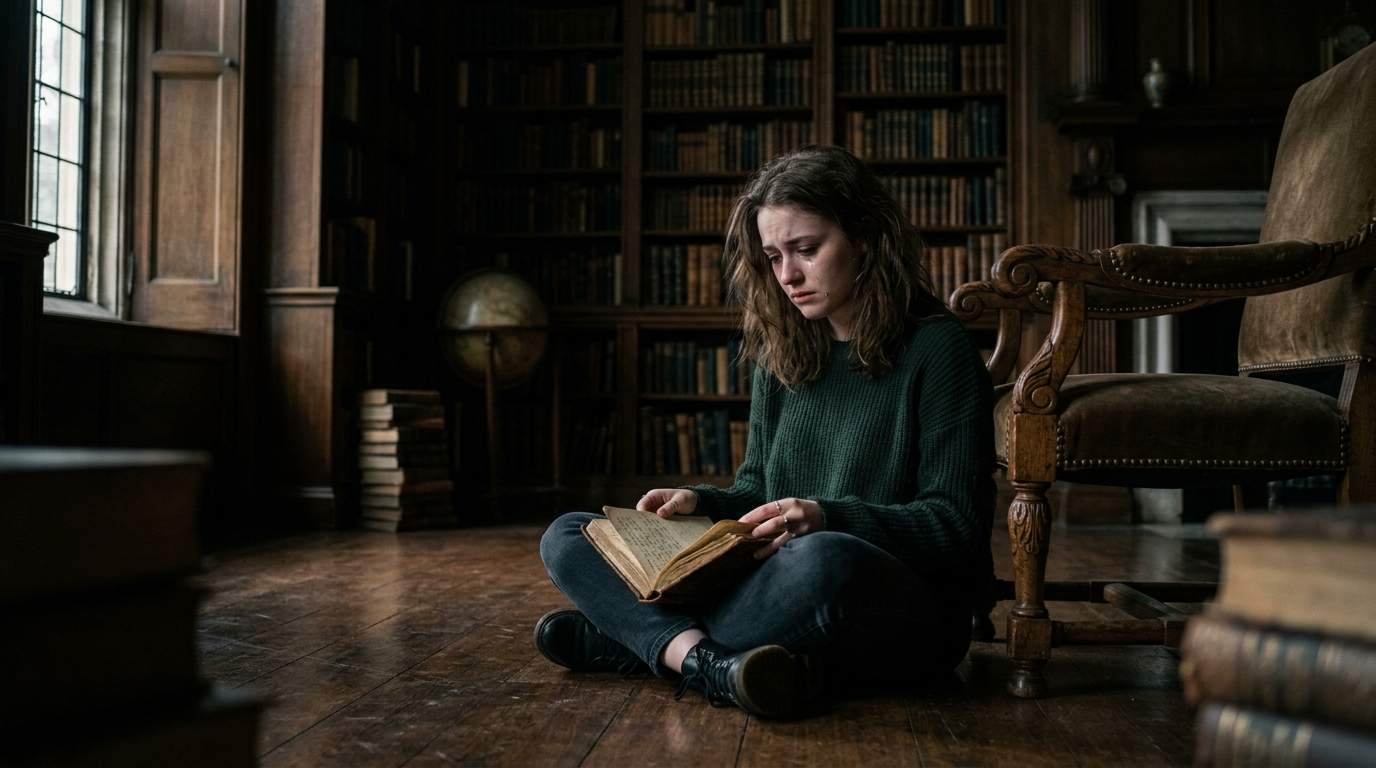
The heavy oak door creaked open, exhaling decades of dust and silence into the crisp autumn air.
Grandmother Eleanor had been gone three months, and the old Barrington estate, her home for seventy years, was now mine.
I’d always loved this house, a sprawling, eccentric maze of forgotten rooms and whispering corridors.
But stepping inside today felt different, weighted with an unspoken history.
It wasn't just dust motes dancing in sunbeams; it was the ghosts of secrets, I realized later.
My task was daunting: clear out a lifetime of possessions, decide what to keep, what to let go.
Each object felt like a relic, a silent testament to a life I thought I knew completely.
I started in the library, a room Grandmother had always kept locked, claiming it was "too precious" for casual use.
A peculiar choice, given her love for reading and quiet contemplation.
As I painstakingly dusted ancient tomes and polished dark mahogany, my fingers brushed against a loose panel behind a grand, leather-bound encyclopedia.
It wasn't just loose; it felt like it could slide.
A jolt of pure curiosity, almost an electric current, shot through me.
I pressed harder, and with a soft click, a narrow, dark opening appeared.
My breath caught in my throat; this was not mere decay.
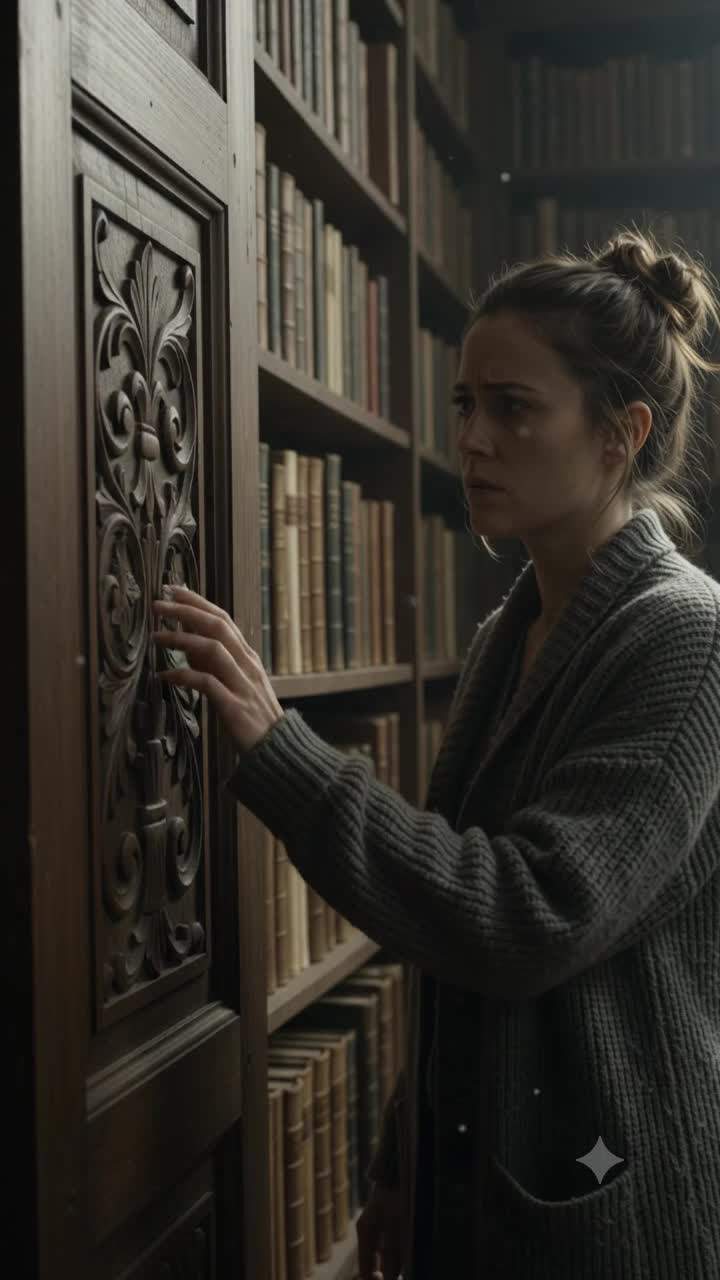
Inside, nestled snugly, was a small, ornate wooden box, its surface etched with intricate, faded carvings.
My heart hammered against my ribs, a primal drumbeat of anticipation and fear.
I pulled it out, the wood warm against my palm, surprisingly light.
It wasn't locked.
My fingers, trembling slightly, lifted the lid.
Inside, beneath layers of delicate, yellowed lace, lay a collection of forgotten treasures.
A small, tarnished silver locket.
A single dried rose, its petals fragile as ancient parchment.
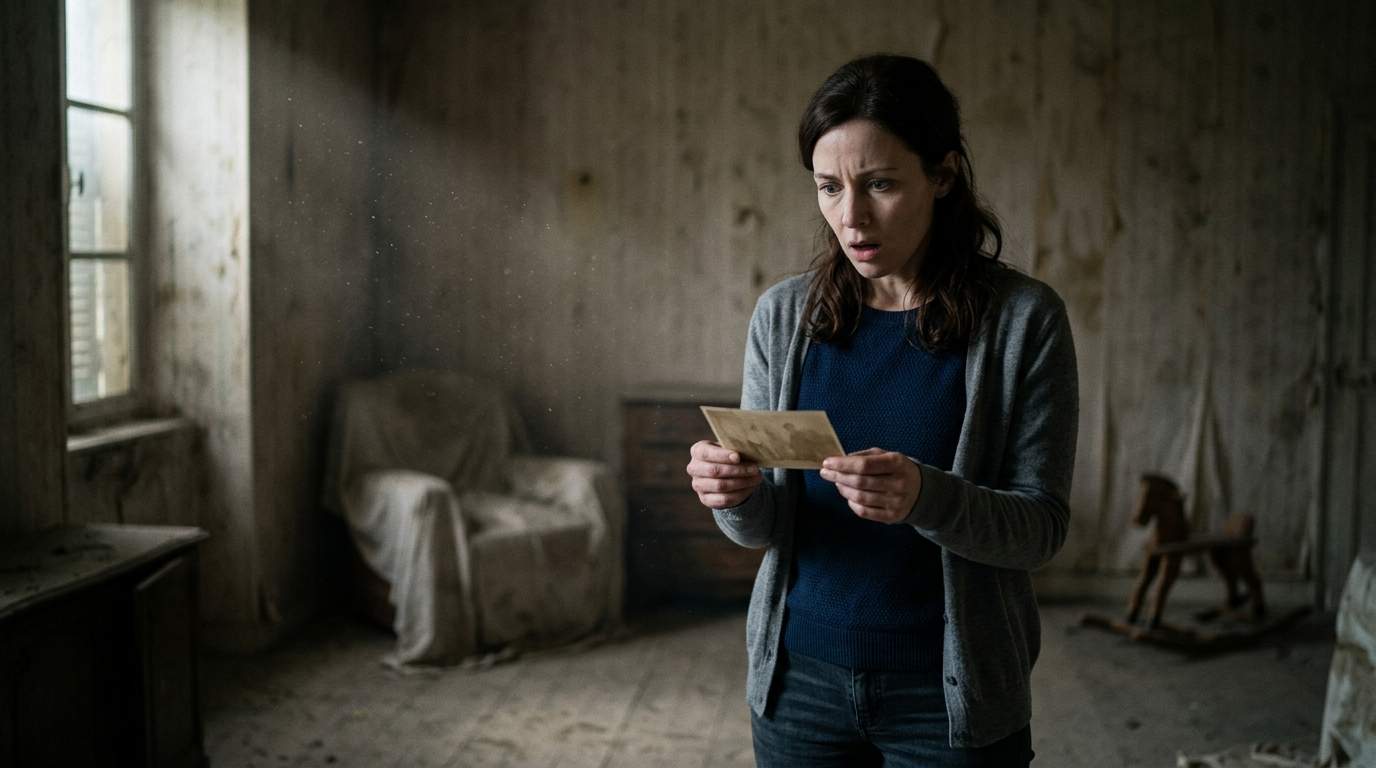
And then, the photograph.
It was a small, sepia-toned picture of a young woman, strikingly beautiful, with eyes that mirrored Grandmother Eleanor’s exact shade of vibrant blue.
She held a baby wrapped in a thick wool blanket, the infant's face soft and innocent.
The woman wasn't Grandmother Eleanor, but she looked… familiar in a way that made my stomach churn.
Below the photograph was a thick, leather-bound diary, its pages brittle with age.
The cursive script was unmistakably Grandmother’s, elegant yet urgent.
I began to read, standing there in the dust-filled library, the autumn light fading outside the tall windows.
The first entry was dated 1938, decades before my grandparents met.
It spoke of a summer romance, a whirlwind of forbidden passion with a man named Thomas, a local artist deemed "unsuitable" by her powerful, traditional family.
Then came the entry I’ll never forget, etched into my memory like a brand: "I carry his child."
My grandmother.
She had a child before my grandfather, before her respectable life began.
The words blurred through a veil of sudden, hot tears.
She had been forced to give the baby away, a secret transaction orchestrated by her father to protect the family name.
A baby girl.
My grandmother, the stoic, refined woman I adored, had lived a life of quiet desperation, haunted by the ghost of a child she never knew.
The diary detailed years of secret letters, tearful visits, and a clandestine fund she had established for her daughter.
It was a fortune, hidden away over decades, intended for a child who remained forever out of reach.
I kept reading, page after page, the story unfolding with agonizing clarity.
The young woman in the photograph wasn't a stranger; it was my grandmother's daughter, named Lily, at eighteen years old, holding her own first child.