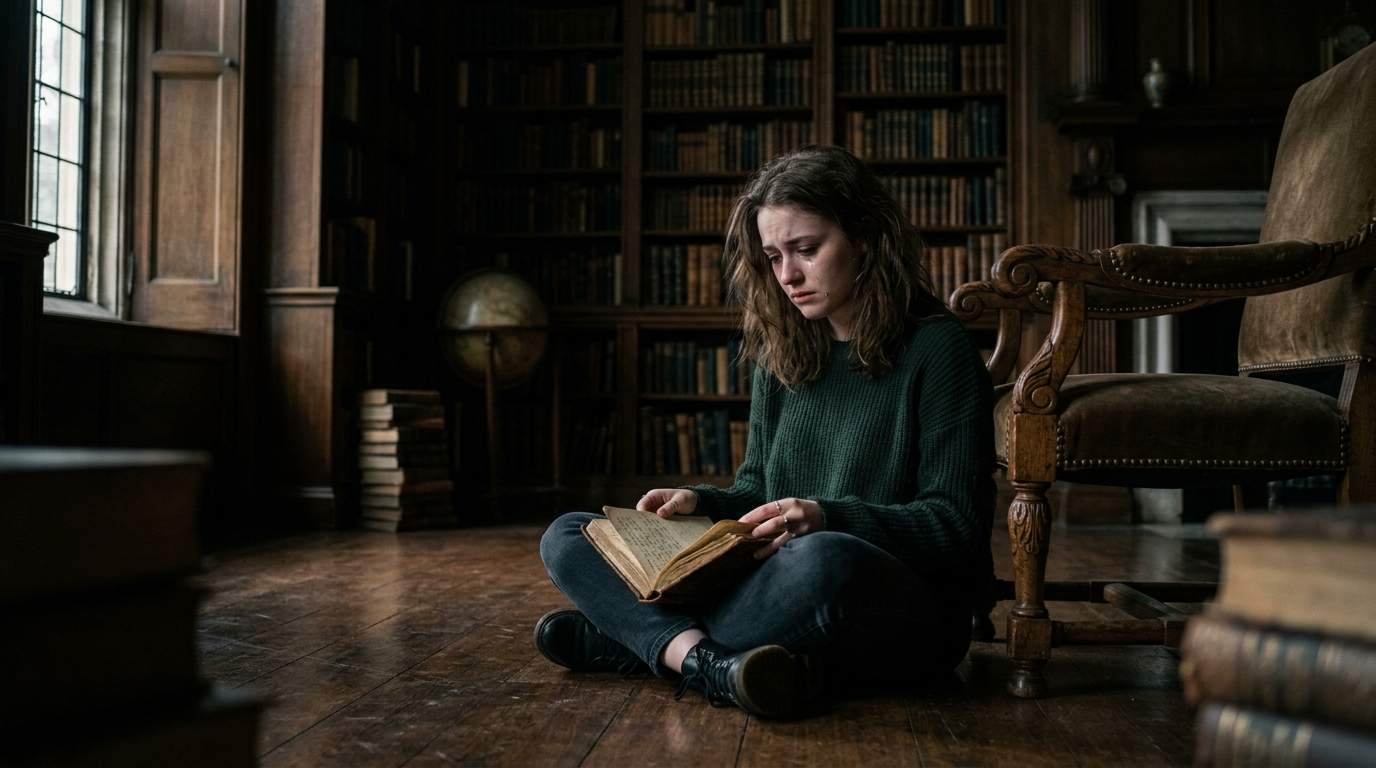
The old Blackwood Manor always felt more like a tomb than a home, even when Grandma Rose was alive.
Inheriting it after she passed felt less like a blessing and more like a heavy burden.
Every creak of the floorboards, every shifting shadow, seemed to hold a whisper of secrets, a weighty past my family never spoke of.
I began the daunting task of clearing out the estate, hoping to find some sense of closure amidst the dust and forgotten heirlooms.
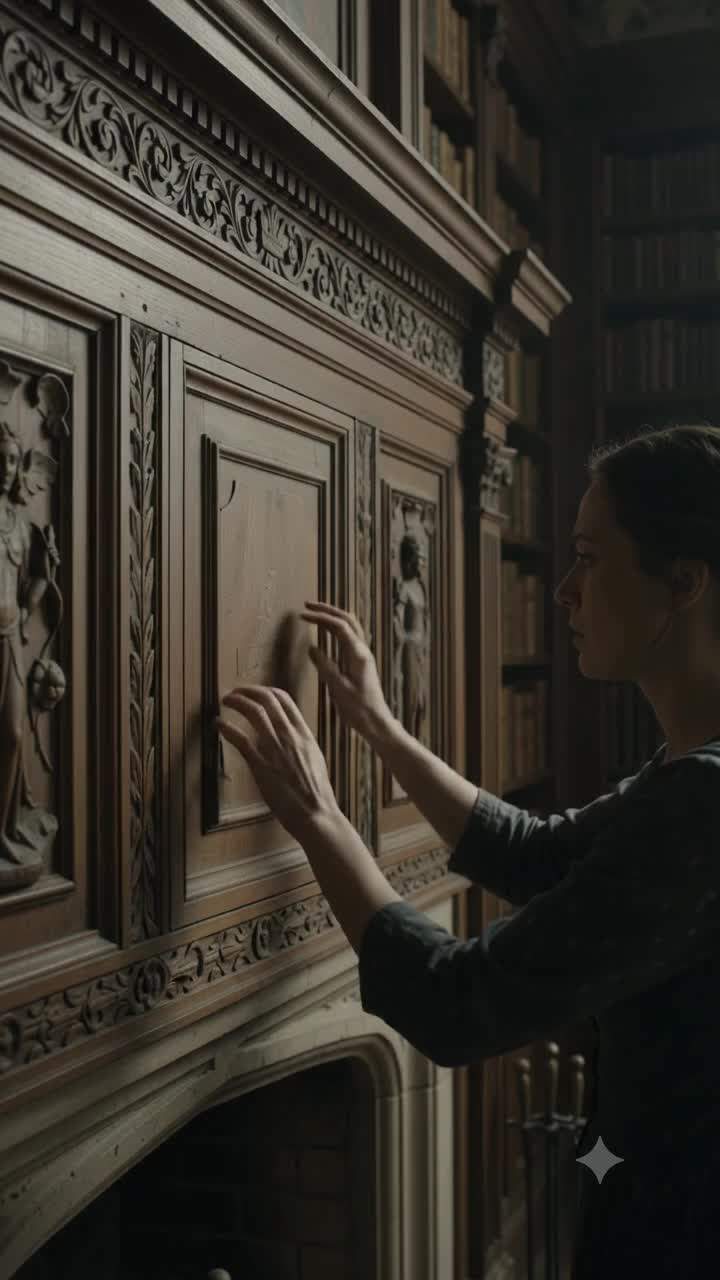
It was in the library, behind a loose panel in the ornate fireplace, that I found it.
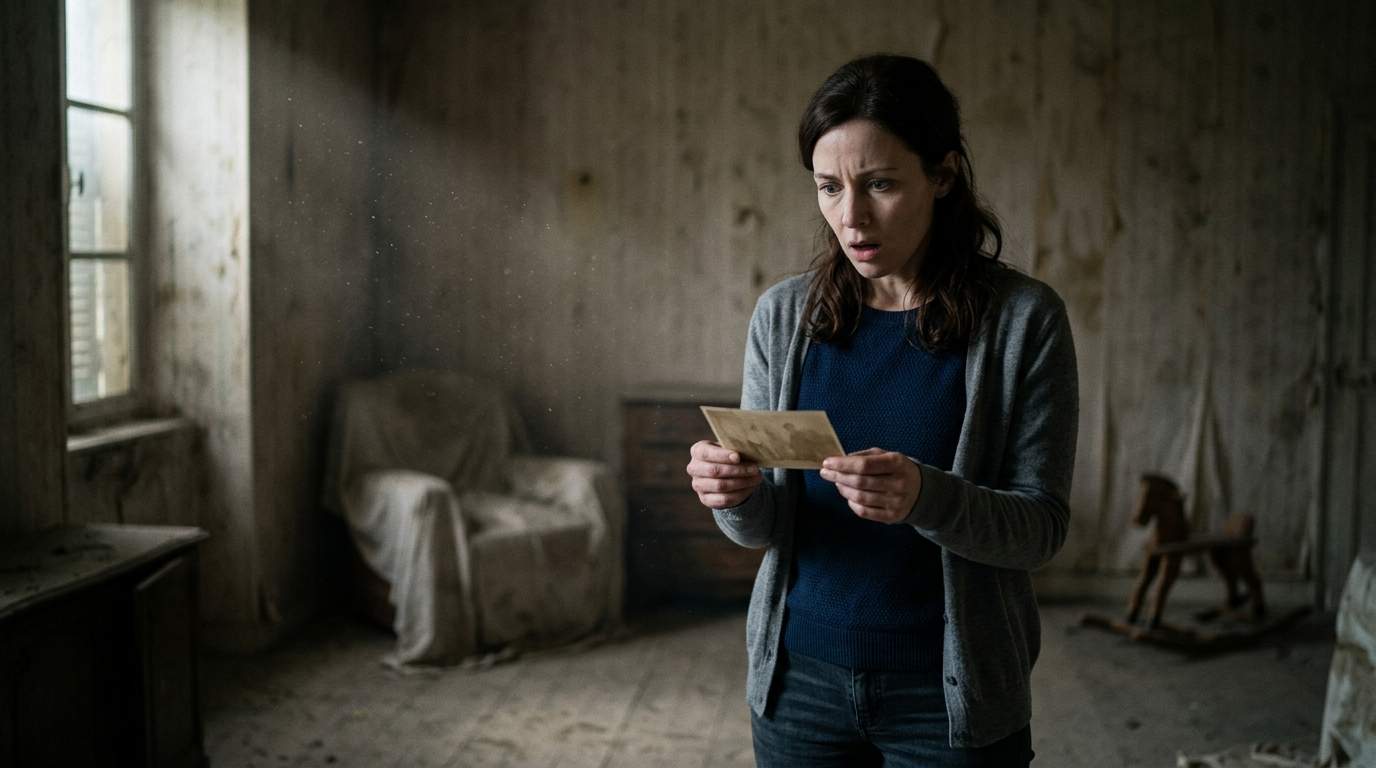
An antique, leather-bound diary, its pages brittle with age, marked with Grandma's elegant, familiar handwriting.
My heart fluttered with a strange mix of excitement and unease; Grandma was always so incredibly private, what secrets could she possibly have kept?
The first few entries were mundane, sweet anecdotes about her early life, her courtship with Grandpa Arthur.
Then, the tone shifted abruptly.
References to "the accident" became more frequent, then darker, laced with a growing sense of dread.
"Arthur is changing," she wrote in one entry, "he's keeping things from me, something terrible."
I felt an icy chill run down my spine as I read, her careful words painting a vivid picture of quiet desperation and fear.
One particular entry, dated July 14th, 1958, hit me like a physical blow.
"He did it. I saw him. The gardener, young Mr. Finch, he didn't just fall from the scaffolding, Arthur… he pushed him."
My breath hitched in my throat, a silent gasp trapped in the oppressive silence of the library.
This wasn't just some family gossip or a troubled memory; this was a chilling accusation of premeditated murder, hidden in plain sight for decades.
My perception of my beloved grandparents, the pillars of our community, shattered into a million pieces.
Grandpa Arthur, the decorated war hero, the benevolent patriarch, a cold-blooded murderer?
And Grandma, my sweet, kind, gentle grandma, had known about it and kept it silent for over sixty years?
The subsequent diary entries detailed her agonizing struggle, the suffocating fear, the crushing guilt she carried.
She wrote of desperate attempts to rationalize Arthur's actions, to protect their family name, to bury the horrifying truth forever.
She vividly described the subtle threats, the manipulative tactics Arthur used to corner her, silencing her with fear and veiled promises of protection.
Grandma even mentioned a "key witness" who was conveniently discredited and then mysteriously disappeared from town.
The mansion itself became an accomplice in her confession, a silent, imposing vault for their monstrous secret.
The sheer weight of her words pressed down on me, making it hard to breathe.
I re-read the passages countless times, frantically searching for any hint of delusion, any sign that her mind had faltered in her old age.
But the details were too vivid, the emotional pain too raw and authentically expressed to be anything but true.
She described in excruciating detail how they paid off local authorities, fabricating reports, spinning a web of lies so intricate it had become their shared reality.