My heart still pounds every time I remember the creak of that hidden door.
Inheriting Aunt Eleanor’s mansion after her sudden death felt less like a gift and more like a heavy, dusty cloak settling over my shoulders.
I had always known my family held secrets, hushed whispers about distant relatives, particularly my great-uncle Elias, who simply "vanished" decades ago.
The mansion itself was a labyrinth of locked rooms and shadowed hallways, each one seemingly guarding a story I wasn't meant to hear.
I'd feel an inexplicable chill in certain rooms, a sense of being watched, an almost imperceptible draft even when all windows were sealed.
One afternoon, while meticulously cleaning out Aunt Eleanor's study – a room she rarely allowed anyone into – I noticed something odd.
Behind a heavy, faded tapestry, the wallpaper seemed to buckle slightly.
My fingers traced a faint seam, hidden expertly, almost invisible.
My curiosity, a trait I’d inherited from my mother, urged me forward despite a growing sense of dread.
I pressed against the panel, and with a soft, groaning click, it gave way.
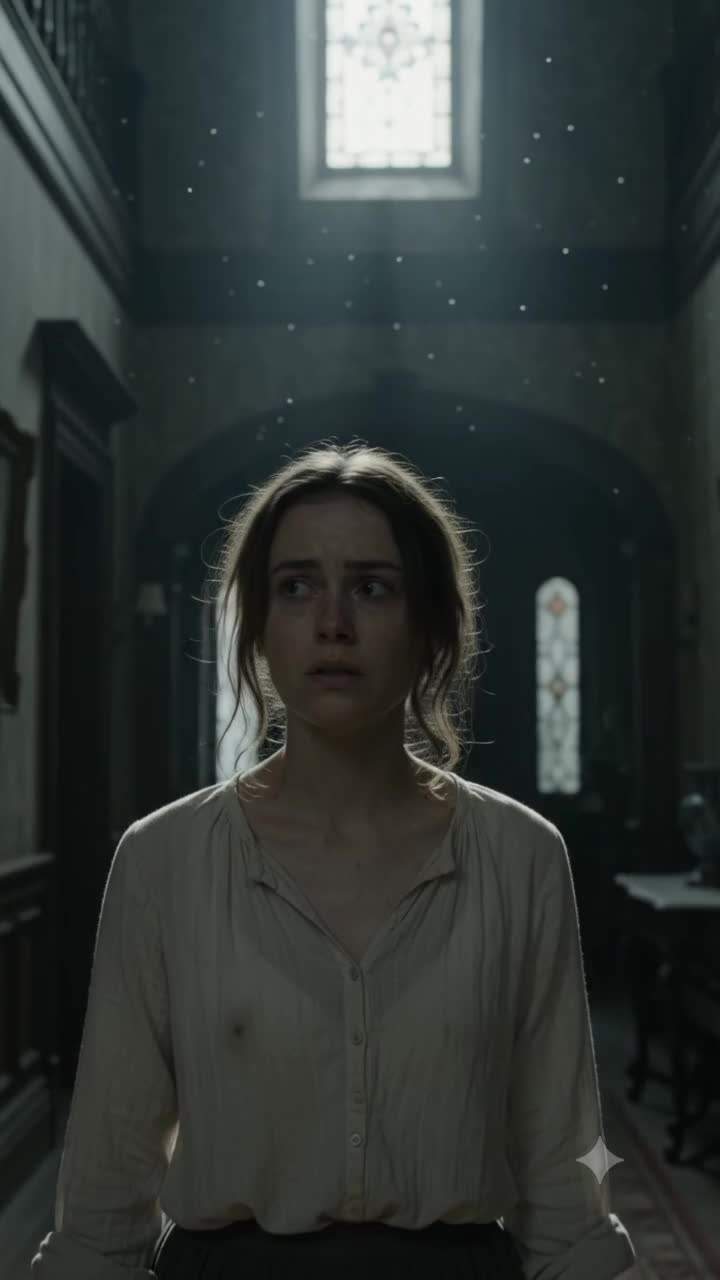
A narrow, dark opening appeared, revealing a black void that swallowed the light from my flashlight.
The air that rushed out was stale, thick with the scent of old paper, dust, and something else – something faintly metallic and unsettling.
Every instinct screamed at me to close it, to pretend I had never seen it, but I couldn't.
I pushed the door fully open, revealing a cramped, winding passage barely wide enough for one person.
Taking a shaky breath, I stepped inside, my small flashlight beam dancing nervously ahead of me.
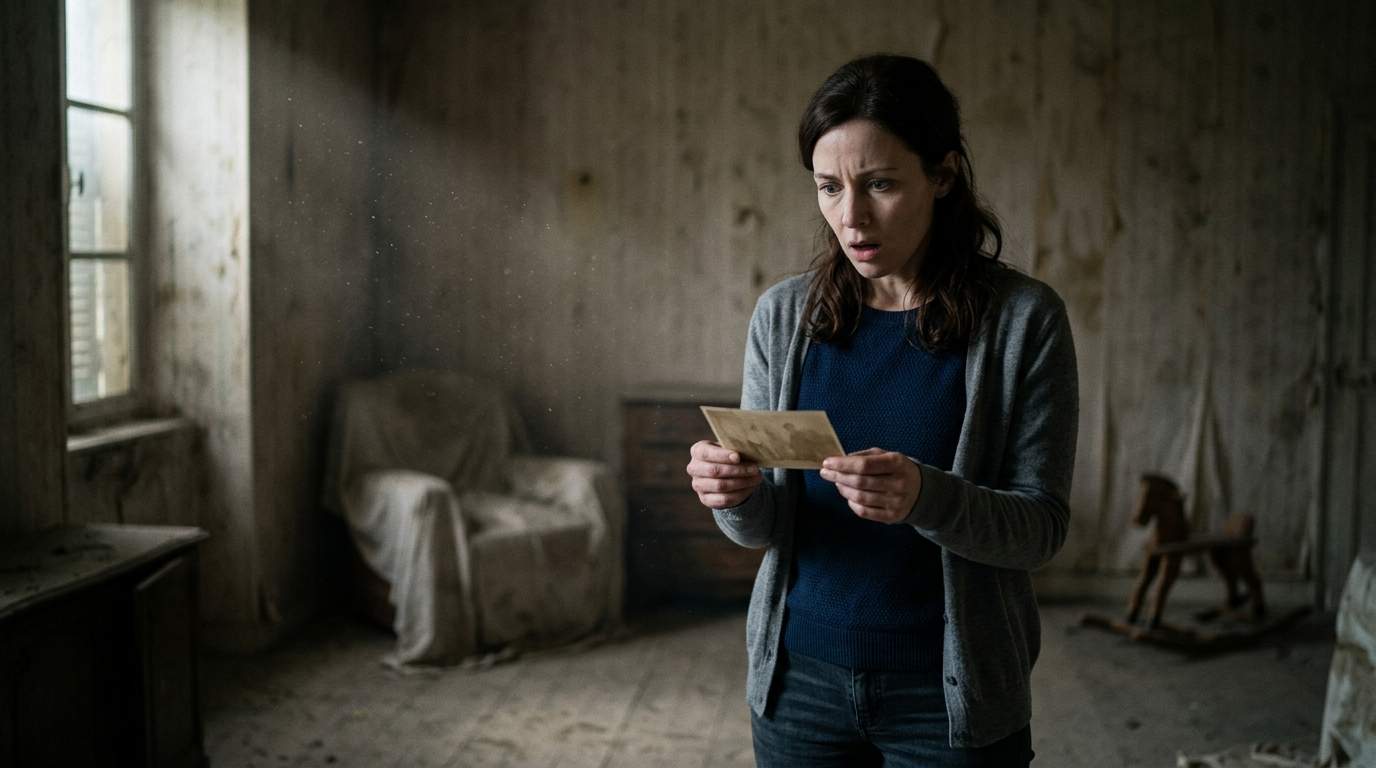
The passage opened into a tiny, windowless room, no bigger than a walk-in closet.
It was spartan, horrifyingly so.
There was a rusted metal cot with a threadbare blanket, a tarnished basin, and a chipped ceramic mug on a small, unsteady wooden crate.
On the wall, crudely scratched tally marks covered nearly every surface, an agonizing record of passing days, weeks, years.
My stomach lurched as I realized someone hadn’t just visited this room; someone had lived here.
Someone had been imprisoned here.
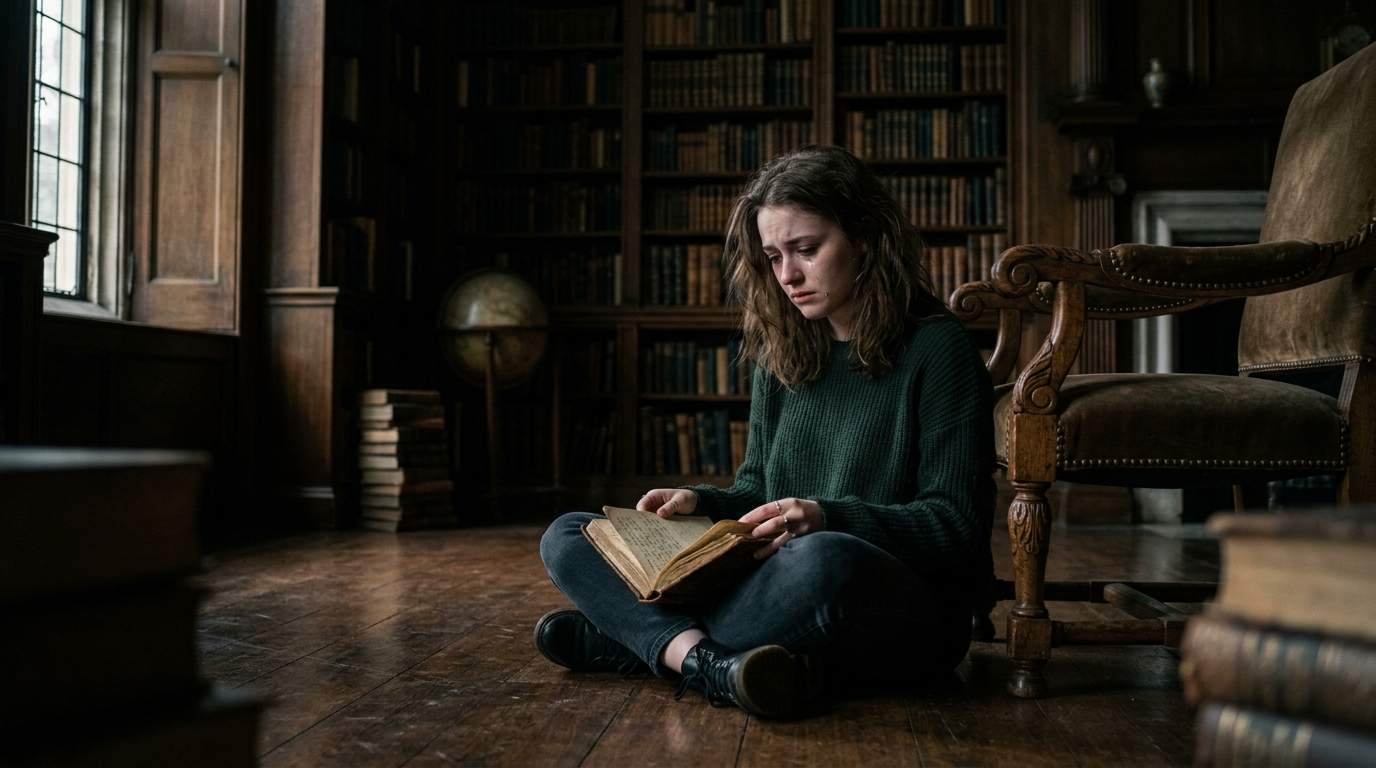
My flashlight beam fell upon a small, leather-bound journal lying open on the dusty floor beside the cot.
My hands trembled as I picked it up, the pages brittle with age, the ink faded but legible.
It was Elias's journal.
His elegant handwriting filled page after page, detailing years of forced confinement.
He wrote of his artistic dreams, his unconventional life choices that had apparently brought "shame" upon the family, deemed him "unfit" for society.
The entries were heartbreaking, chronicling his mental and physical decline, his desperate pleas, his fading hopes.
The chilling revelation emerged: Aunt Eleanor, the sweet, eccentric old woman I vaguely remembered, was his captor.
She believed she was protecting the family’s reputation, saving him from himself.
His final entry, scrawled in a shaky hand decades ago, was a simple, agonizing wish: "To see the sky one last time."
Next to the journal, partially hidden under the cot, was a small, intricately carved wooden bird.