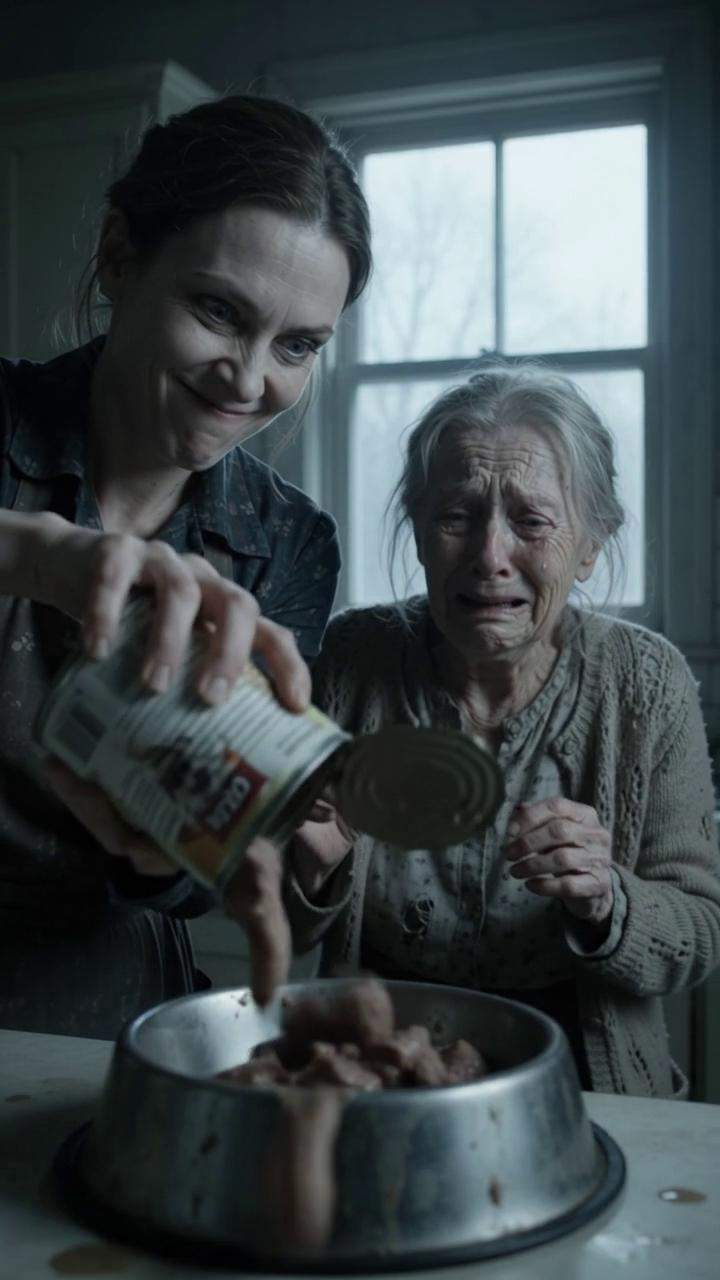
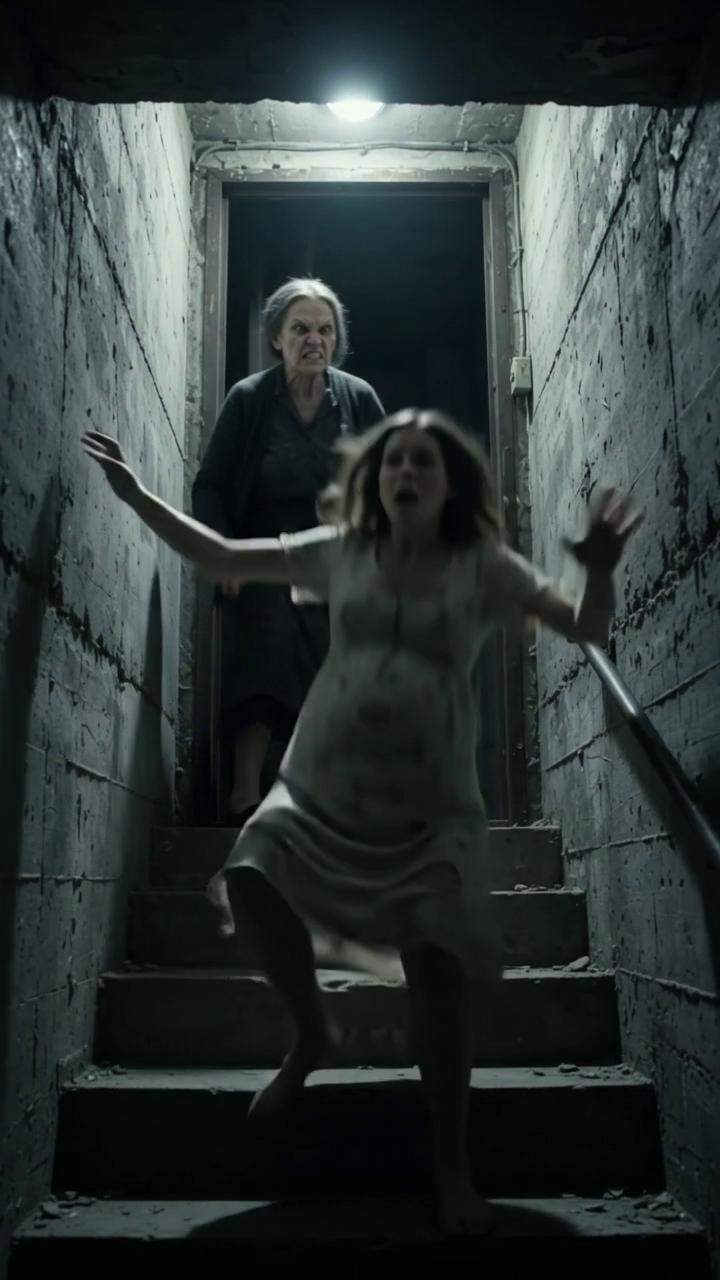
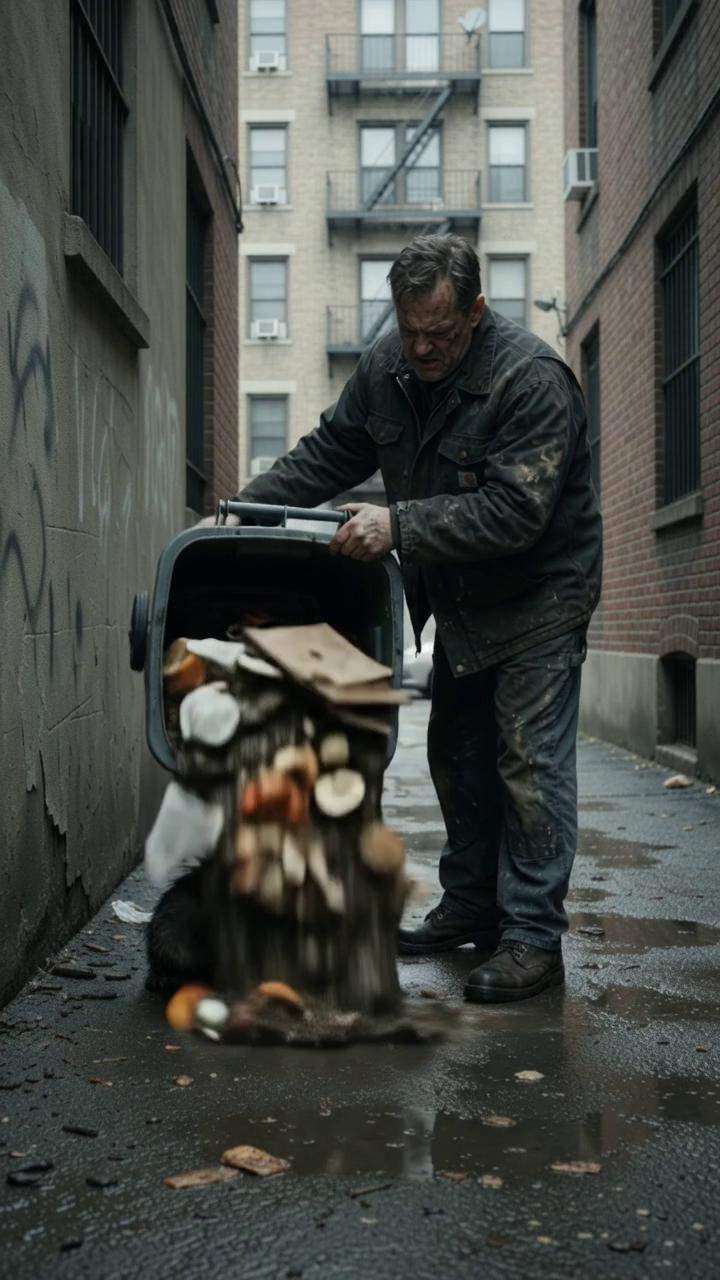
My name is Eleanor, and for nearly forty years, I was more than just a housekeeper to Arthur Sterling; I was his confidante, his silent observer, and, in many ways, the keeper of his most profound sorrows. Arthur was a titan of industry, a man whose name commanded respect and fear in equal measure, yet beneath the polished exterior lay a cavernous well of loneliness and regret. I saw it in the way he stared out of his study window at dusk, a half-empty glass of amber liquid in his hand, his eyes distant, haunted by ghosts I could only dimly perceive.
He was a man of immense wealth, built from nothing, but he lived a life largely devoid of genuine warmth, especially from his surviving family. His sister, Caroline, and her son, Richard, were vultures, circling his fortune with thinly veiled greed, their visits always preceded by a request for funds or an appeal for a position in one of his many companies. They saw Arthur not as a brother or uncle, but as a vault, and me, his loyal assistant, as nothing more than a glorified servant who stood inconveniently close to the treasure.
Arthur rarely spoke of his youth, his early life before the money, before the empire. He kept a small, tarnished silver locket on his bedside table, always closed, and a single, faded photograph tucked inside an old leather-bound journal. Sometimes, I would catch him tracing the edges of that photo, a profound sadness etched on his face, a silent lament. I sensed a lost love, a deep sorrow he carried, but he never offered details, and I never pressed. My role was to serve, not to pry, though my intuition, honed over decades, told me a significant piece of his past was missing, or perhaps intentionally buried.
He often spoke cryptically in his later years, musing about what truly constituted a legacy, lamenting the absence of genuine connection, and once, when he was particularly frail, he whispered, "I tried, Eleanor. God knows, I tried." I understood then that whatever secret he held, it involved an active, painful search, a yearning for something—or someone—he couldn't find. He became increasingly meticulous about his will, often spending hours with Mr. Davies, his lawyer, poring over documents in hushed tones behind closed doors, a process that made Caroline and Richard twitch with thinly disguised impatience.
When Arthur finally passed, quietly in his sleep, I was the one by his side, just as I had been for most of his adult life. His last breath was a gentle sigh, and I imagined it was a release from the burden he had carried for so long. His final mumbled words, almost inaudible, sounded like "my boy," and a chill ran down my spine. I knew, with a certainty that settled deep in my bones, that his life's great secret was about to finally be revealed.
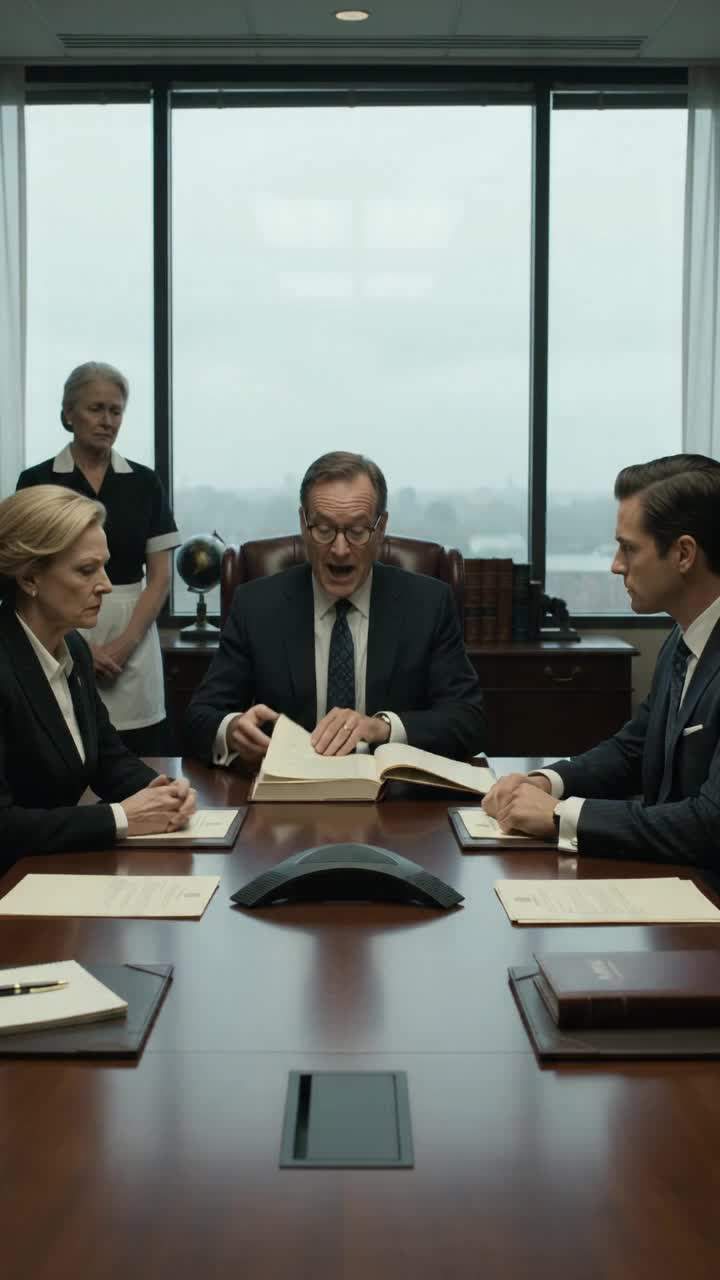
The day of the will reading was precisely as I had predicted: a tense assembly of his estranged family in Mr. Davies’ opulent conference room. The atmosphere was thick with a mixture of solemnity and barely contained anticipation. Caroline, in her sharp black suit, sat with her back ramrod straight, her eyes darting to the heavy oak doors, ensuring no unwelcome guests. Richard, ever the arrogant one, was already fidgeting, his expensive watch catching the dull light. Mr. Davies, an unreadable man with an air of discreet power, sat at the head of the polished mahogany table, a thick sheaf of documents before him. I stood discreetly in a corner, as always, an invisible presence, yet seeing everything.
Mr. Davies cleared his throat, his voice resonating through the silent room. "As per the last will and testament of Arthur Sterling, I shall now proceed to read its contents." Caroline adjusted her spectacles, a smug little smile playing on her lips, and Richard leaned forward, a predatory glint in his eyes. Just as Mr. Davies began to articulate Arthur’s initial provisions, the heavy double doors of the conference room burst open with a jarring crash that made everyone jump.
A young man, perhaps in his late twenties, stood framed in the doorway. He was dressed plainly, a worn jacket, faded jeans, his hair a little dishevelled, but his eyes held an unnerving intensity, a fierce determination. He was breathless, as if he had run a great distance, yet his gaze was unwavering as he swept across the stunned faces in the room, finally locking onto Mr. Davies. "Stop!" he declared, his voice cutting through the stunned silence. "This cannot proceed!"
Caroline gasped, clutching her chest, her face contorting into an expression of indignant fury. "Who are you? How dare you interrupt this sacred moment!" she shrieked, pointing a trembling finger at the intruder. Richard, ever her eager accomplice, sprang to his feet, his face flushed. "This is outrageous! Call security, Mr. Davies! This man is an imposter!"
But I knew, instantly, deep in my heart, that he was no imposter. The moment my eyes fell on him, I saw it: the subtle curve of his jaw, the shape of his nose, the particular intensity in his eyes—all echoes of a younger Arthur Sterling. My gaze drifted to the locket I knew so well, to the faded photograph that contained the image of a woman, a man, and a baby. This young man standing before us was that baby, grown. The ghost of Arthur’s past had finally materialized.
The young man, ignoring the frantic protests of Caroline and Richard, strode purposefully toward the table. With a defiant flourish, he slammed a yellowed birth certificate and a creased, old photograph onto the polished wood, the sharp thud echoing loudly in the suddenly silent room. The photograph, I instantly recognized, was one of the few Arthur had kept, showing him, youthful and beaming, cradling an infant. "My name is Leo Sterling," he announced, his voice ringing with authority that belied his unpretentious appearance. "Arthur Sterling was my father."
A collective gasp swept through the room. Caroline’s face went from purple rage to a sickly shade of white, and Richard sank back into his chair, utterly deflated, his mouth agape. Mr. Davies, recovering from his initial shock, picked up the documents, his eyes scanning the birth certificate, then the photograph, then the young man’s face. He looked at me, a silent confirmation passing between us. He knew. Arthur had prepared for this.