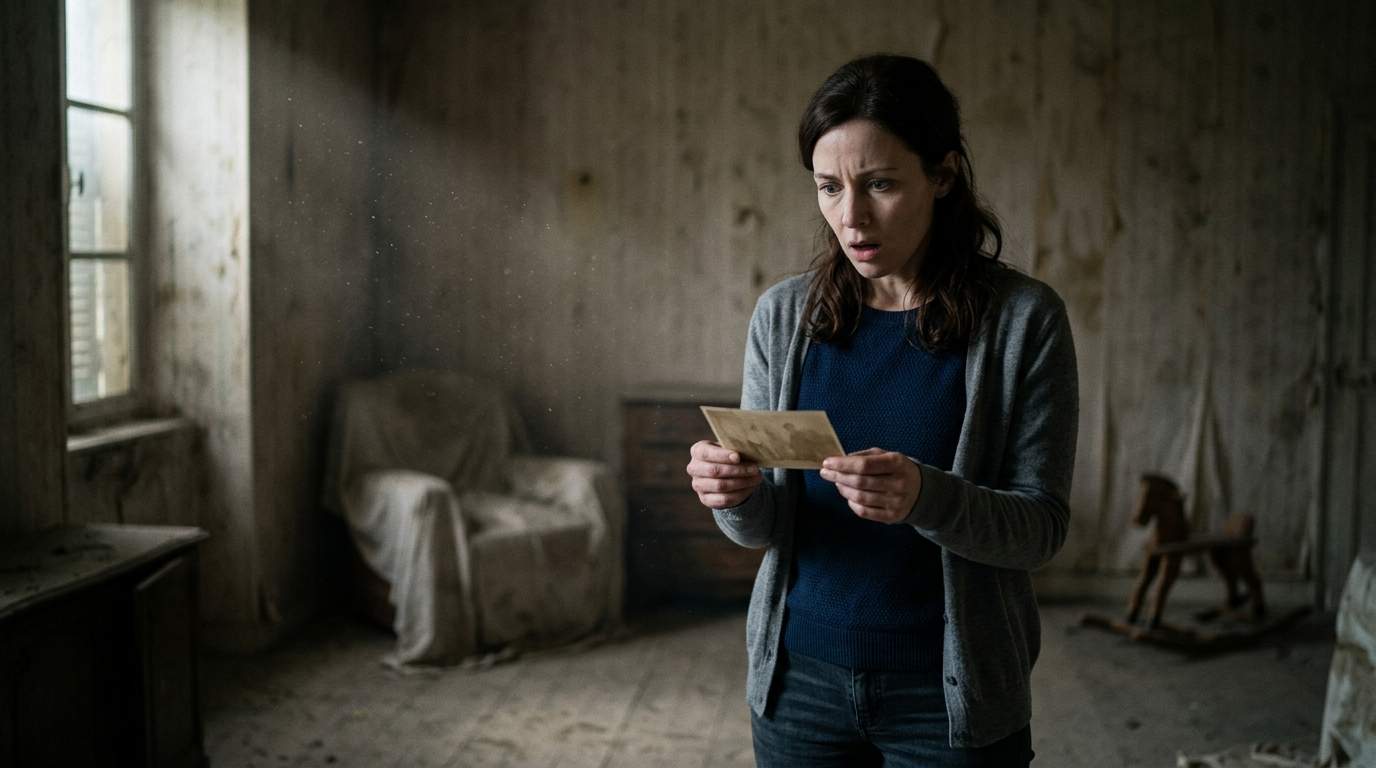
I never truly believed in ghosts, but the moment I stepped into Blackwood Manor, I felt a chill that had nothing to do with the drafty old windows.
Inheriting my great-aunt Mildred’s estate felt like a dream come true, a chance to connect with a history I barely knew.
My family always spoke of Blackwood Manor with a hushed reverence, a place of old money and even older secrets, though they never elaborated.
The mansion stood on a sprawling hill, an imposing gothic structure cloaked in ivy, whispering tales I couldn’t yet understand.
Days turned into weeks as I explored, each creaking floorboard and forgotten portrait pulling me deeper into its enigmatic embrace.
I began renovating the vast, rarely-used library, a room filled with towering shelves and the scent of aged paper.
One afternoon, while dusting a particularly obscure section, my hand brushed against a peculiar spot on the ornate wooden paneling.
It felt oddly loose, almost hollow, unlike the solid oak surrounding it.
My heart quickened with a sudden, childish thrill; could it be a secret passage?
With trembling fingers, I pressed gently, and to my astonishment, a small, cleverly disguised section of the bookshelf slowly slid inwards with a soft groan.
Behind it lay not a passage, but a tiny, dusty compartment, barely large enough for a person to squeeze into.
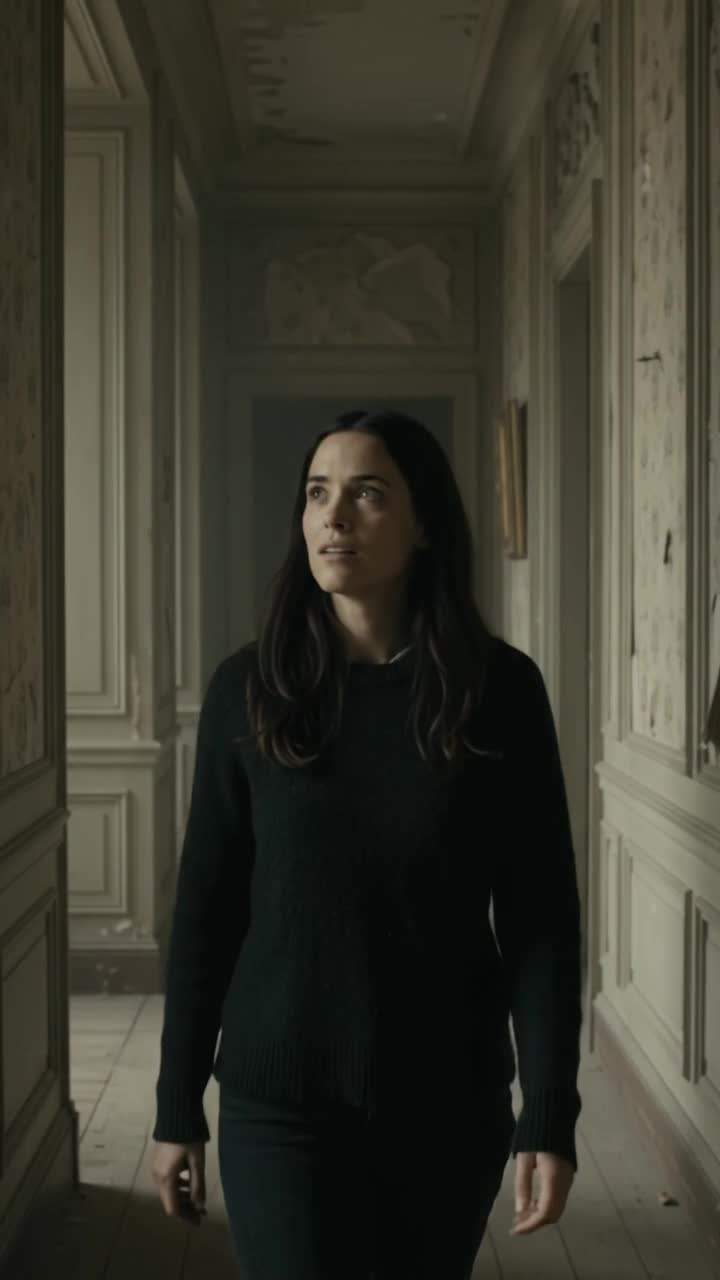
My breath hitched as I peered into the darkness, a faint, musty smell rising to meet me.
Inside, nestled amongst cobwebs, were several objects wrapped in brittle, yellowed cloth.
I carefully pulled them out, placing them onto the grand mahogany desk that dominated the library.
First, an old leather-bound journal, its pages warped and fragile with time, tied with a faded ribbon.
Next, a stack of sepia-toned photographs, faces I vaguely recognized from distant family albums, though their eyes held an unsettling intensity.
Finally, a few crumpled newspaper clippings, their headlines screaming of local scandals and tragedies from a bygone era.
My hands shook as I untied the journal’s ribbon, the leather crumbling slightly under my touch.
The handwriting inside was elegant but frantic, fading ink on brittle pages, dated from the early 1940s.
It belonged to my great-grandmother, Eleanor, a woman I only knew from a single, stern portrait hanging in the main hall.
Her initial entries were mundane, chronicling daily life in the manor, social engagements, and family gossip.
Then, the tone shifted abruptly, becoming darker, filled with thinly veiled anxieties and hints of a growing tension within the household.
She wrote of a “terrible accident” involving her younger brother, Thomas, a man who, to my knowledge, simply disappeared from family records decades ago.
The official story, always whispered, was that Thomas had run away, disgraced, never to be heard from again after a scandalous affair.
But Eleanor’s words painted a chillingly different picture.
She detailed hushed conversations, strange disappearances of servants, and frantic late-night meetings between my great-grandfather and his most trusted associates.
Her entries grew more desperate, hinting at a cover-up, a conspiracy to protect the family’s impeccable reputation.
My eyes scanned frantically, skipping pages as dread coiled in my stomach, a cold knot tightening with each word.
Then I found it, a single, devastating sentence scrawled in thick, desperate strokes: “They did not just let Thomas leave; they murdered him here, in this very house, and buried the truth.”
My blood ran cold, the air seeming to thin around me, stealing my breath.
Murder.
Not an accident, not a disappearance, but a deliberate, heinous act, hidden for eighty years within these very walls.
The journal described how Thomas, supposedly the black sheep, had actually uncovered a dark financial secret involving my great-grandfather’s business dealings.
He threatened to expose him, and in a fit of rage, an argument turned deadly, not by my great-grandfather’s hand directly, but by an associate he instructed.