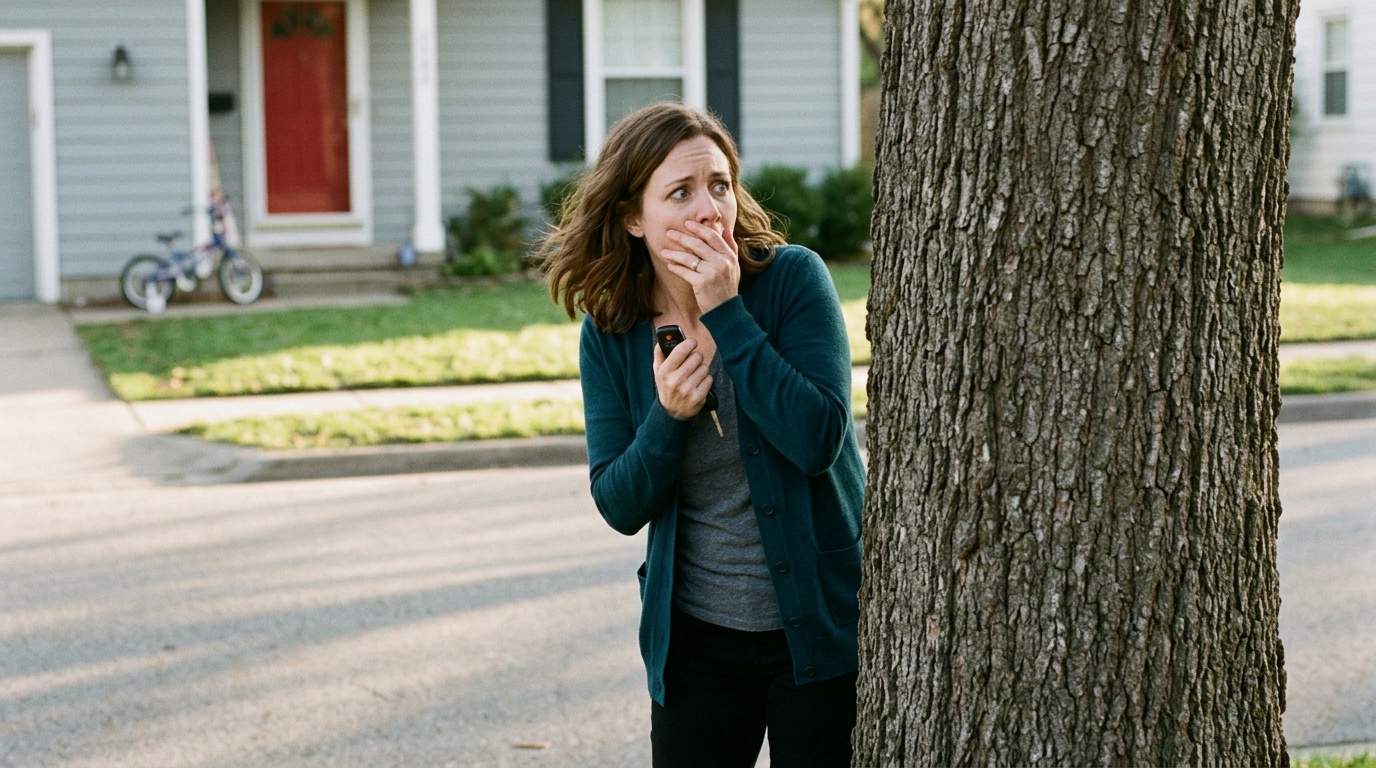
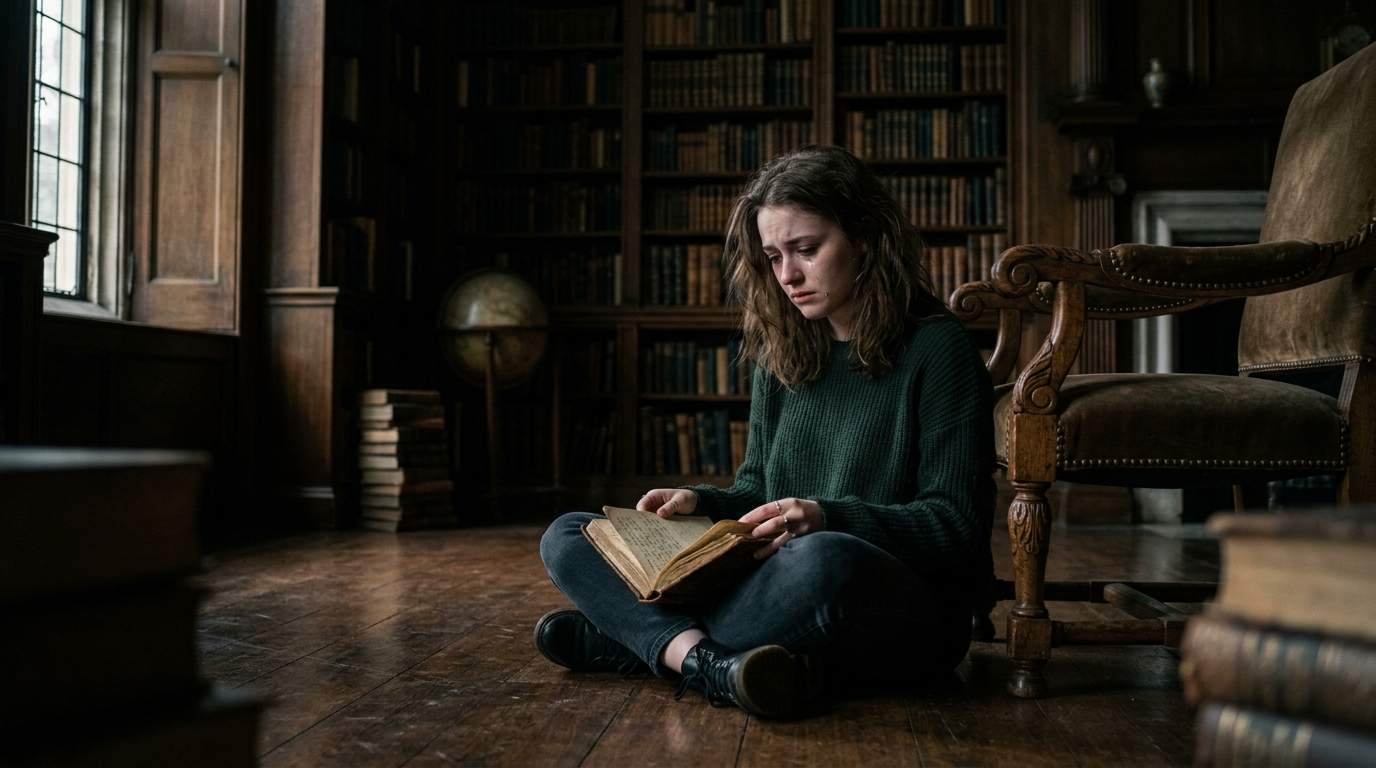
A cold dread had always clung to the old Stonebrook Manor.
It wasn't the kind of place that whispered ghost stories; it hummed with forgotten histories and silent judgment.
My grandmother left it to me three years ago, a sprawling, gothic behemoth that felt more like a mausoleum than a home.
I’d spent my childhood summers there, but even then, a sense of unease was my constant companion.
Uncle Richard, my father’s older brother, was the only one who seemed to genuinely love the place.
He'd managed the estate for decades, overseeing renovations and preserving its legacy with an almost obsessive dedication.
He was the family patriarch, the picture of integrity and quiet strength, always ready with a comforting word or a wise piece of advice.
But lately, something felt different, a subtle shift in the manor’s deep, ancient quiet.
It began with the drafts.
Persistent, icy currents that snaked through the supposedly sealed-off library wing, even after I'd replaced every window.
I dismissed it at first, attributing it to the house's age, a stubborn relic of a bygone era.
Yet, the feeling grew, a persistent whisper of something hidden, just beyond my perception.
One stormy Tuesday night, a particularly violent gust of wind rattled the large, ornate bookshelf in the library.
A small, intricately carved wooden bird, a sentimental piece my grandfather had owned, tumbled from the top shelf, hitting the floor with a soft thud.
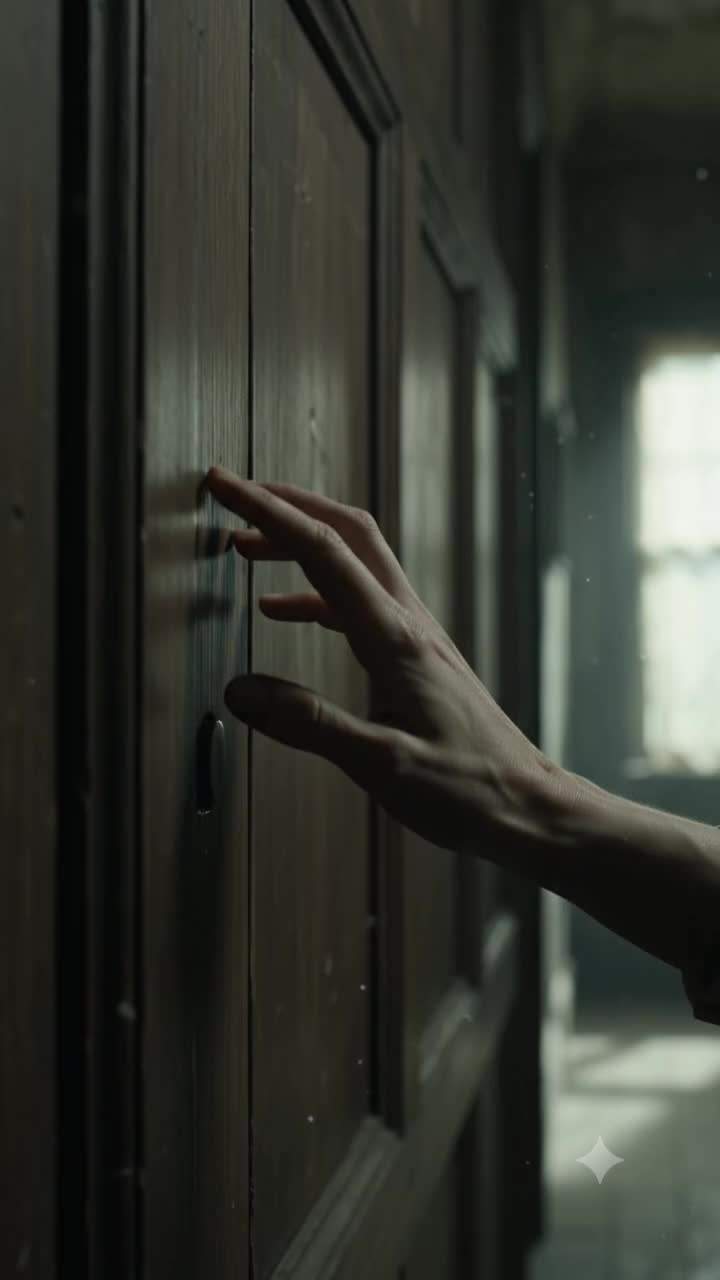
Retrieving it, my fingers brushed against a section of the wall behind the shelf that felt unusually cool, strangely hollow.
Curiosity, a dangerous instinct in Stonebrook, tugged at me with an irresistible force.
I pushed on the section, my heart thumping against my ribs.
Nothing.
I ran my hands along the worn wood, searching for a seam, a latch, anything out of place.
My fingers snagged on a barely visible indentation, a tiny, almost imperceptible button camouflaged into the grain of the wood.
I pressed it.
With a soft, almost inaudible click, a narrow section of the bookshelf slowly, deliberately, slid inward, then glided to the side.
The air that rushed out was stale, heavy with the scent of old paper and forgotten time.
My breath hitched in my throat as a narrow, dimly lit passageway was revealed.
Fear warred with an overwhelming sense of compelled discovery.
I grabbed my phone, its flashlight beam cutting a shaky path into the darkness.
The passage was short, leading to a heavy, iron-bound door, surprisingly unremarkable.
It creaked open to reveal a small, windowless room, its air thick with dust that danced like silent specters in the phone's beam.
This wasn't a utility closet or a forgotten pantry; this was a sanctuary of secrets.
A single, sturdy oak desk dominated the space, covered in yellowed documents and leather-bound journals.
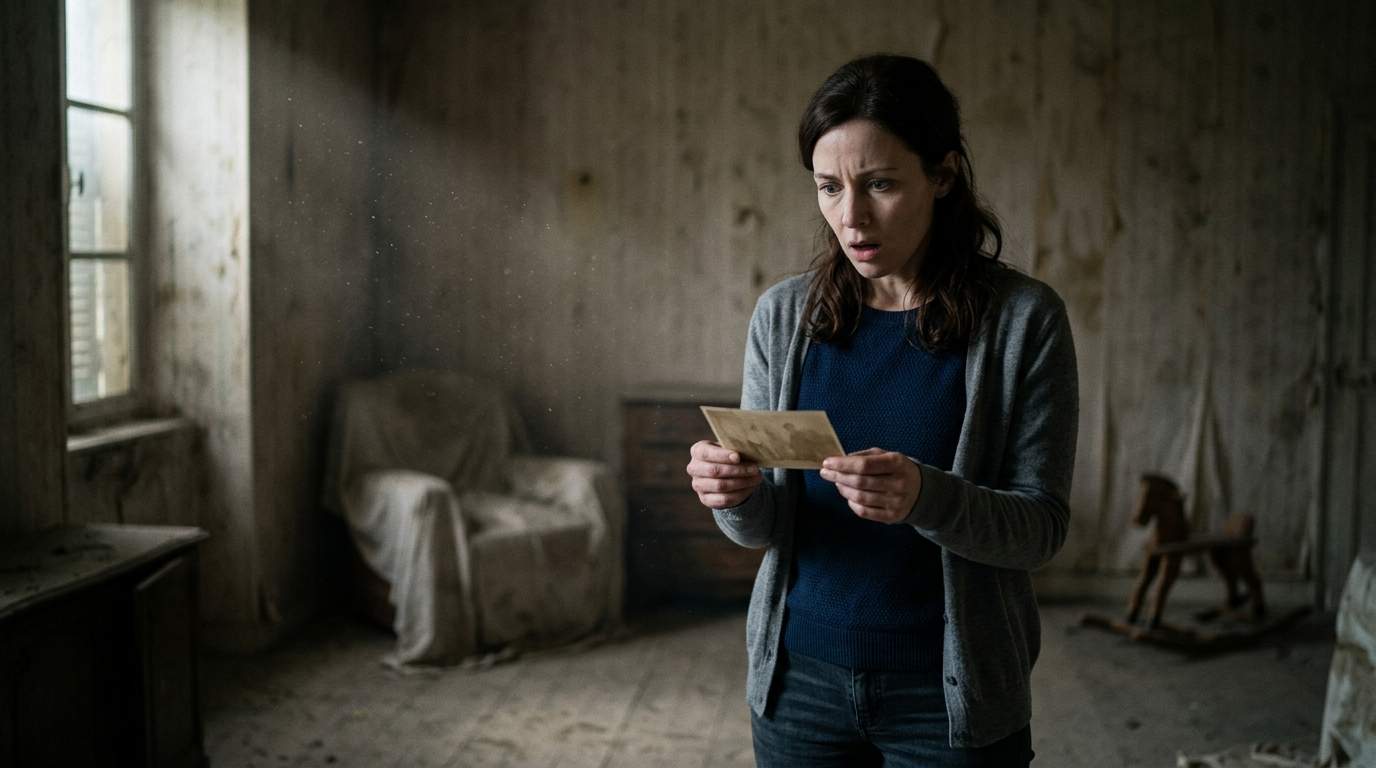
My gaze fell upon a framed photograph, turned facedown, at the corner of the desk.
I picked it up, my hands trembling.
It was my grandfather, younger, standing beside a woman I didn’t recognize, her arm linked through his, both smiling radiantly.
They looked deeply in love, a tenderness I’d never seen in his stern, family-approved portraits.
Beneath the photo lay a stack of letters, their elegant script faded with time.
They were love letters, penned by my grandfather to this woman, detailing a passionate, forbidden affair.
His words spoke of a life he wished he could live, a profound regret.
Then, my eyes landed on a large, official-looking envelope, sealed with a broken wax crest.
My grandfather's distinctive handwriting was on it: "My True Wishes – To be opened only by my granddaughter, [My Name], upon my passing."
Panic and exhilaration surged through me simultaneously.
I tore it open, my fingers fumbling, my vision blurring.
Inside was a last will and testament, dated just weeks before his death, entirely handwritten and impeccably notarized.
This document contradicted everything I knew, everything the family had been told.