I never expected to inherit Blackwood Manor, a place shrouded in whispers and forgotten history.
When the lawyer called, I thought it was a prank, a joke from a distant, eccentric relative.
But suddenly, this crumbling old mansion, miles from anywhere, was mine.
It stood like a sleeping giant, waiting for me to wake its secrets.
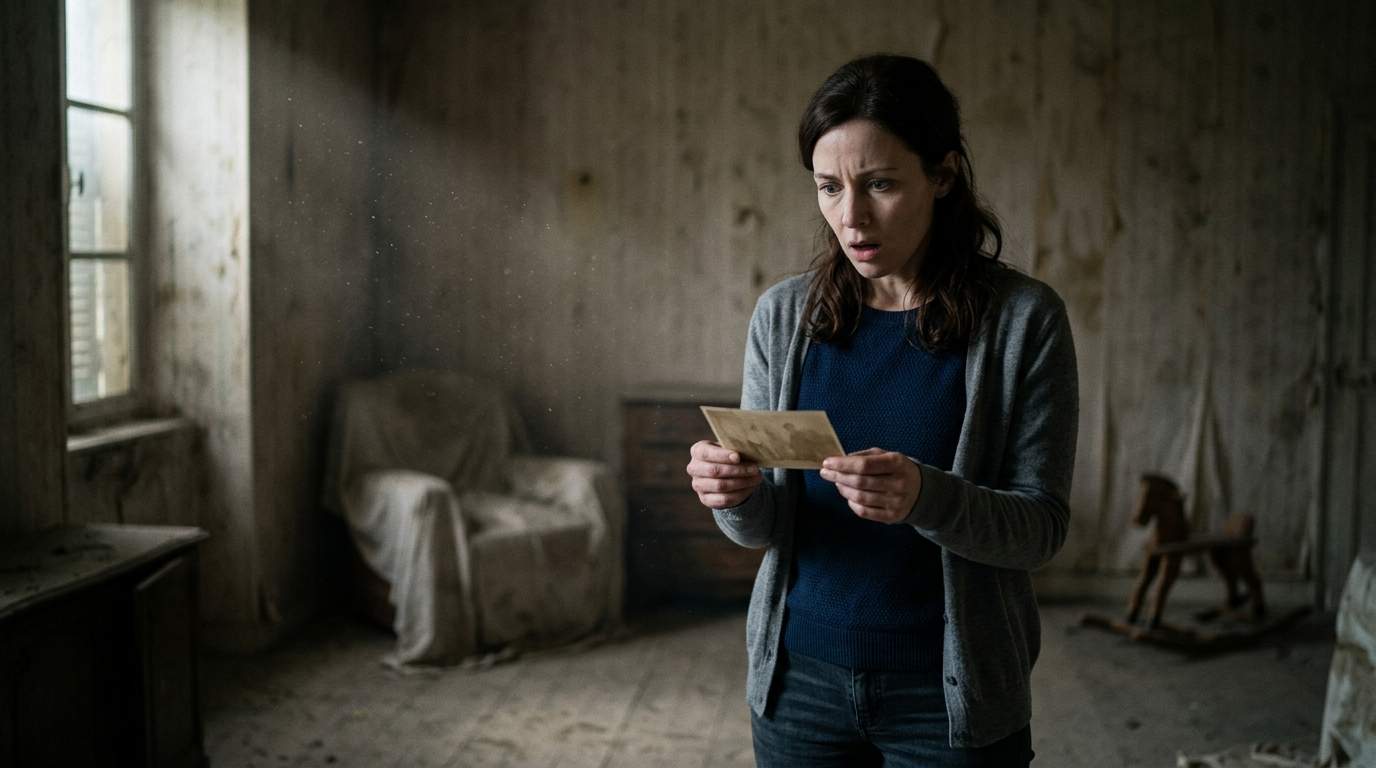
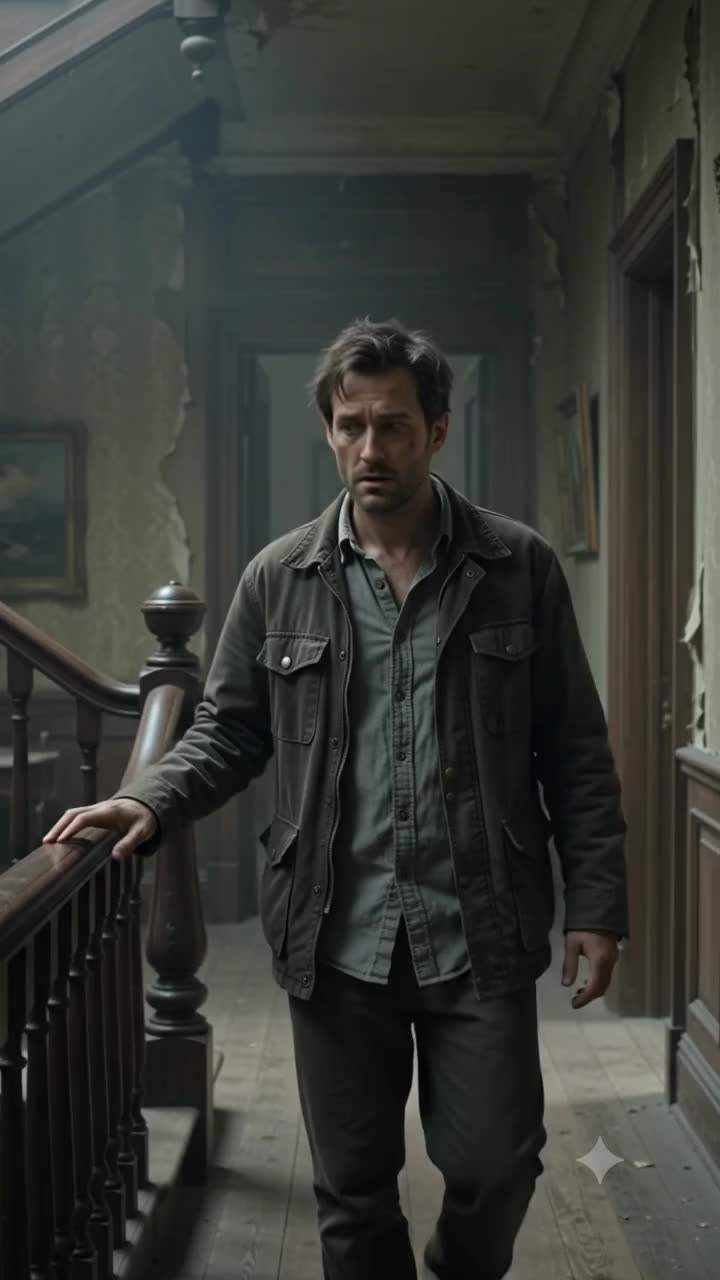
I felt an odd mix of excitement and unease the day I first stepped inside its grand, dusty halls.
Every shadow seemed to hold a story, every creak a whispered confession.
For weeks, I explored, cataloging antiques and clearing decades of accumulated clutter.
The sheer scale of the place was overwhelming, yet captivating.
My favorite room became the study, with its floor-to-ceiling bookshelves and worn leather armchair.
One afternoon, a loose floorboard near the fireplace caught my eye.
It wasn't just old; it seemed deliberately hidden, slightly askew.
A shiver of curiosity, not fear, ran down my spine.
I knelt, working at the edge of the board with a screwdriver, my heart thumping a little faster.
Beneath it, nestled in a dark cavity, was a small, intricately carved wooden box.
It felt ancient, smooth from countless years of being touched and hidden.
My fingers trembled as I unlatched the tiny brass clasp.
Inside lay a stack of yellowed letters, bound with a faded velvet ribbon, and a single, tarnished silver locket.
The handwriting on the first letter was elegant, yet frantic, dated over sixty years ago.
It began, "My dearest Eleanor, I can't believe what they've done."
My breath hitched; Eleanor was my great-aunt, the one who supposedly died young and tragically.
I started reading, sentence by agonizing sentence, feeling the cold dread creep into my bones.
The letters told a story of a cruel betrayal, orchestrated by my own grandfather and his brother.
They had conspired to frame a local man, John, for a theft he didn't commit.
John was Eleanor's secret fiancé, a man from a "lesser" family, whom my family disapproved of.
The letters detailed how they planted evidence, bribed officials, and ensured John was sent to prison for life.
Eleanor was heartbroken, her spirit utterly crushed by her family’s ruthless ambition.
She had tried to expose them, to fight for John's innocence, but was silenced.
The letters implied she was eventually committed to an asylum, her protests dismissed as madness.
My great-aunt hadn't died tragically; she had been systematically broken and then institutionalized by her own blood.
My grandfather, the man whose portrait hung proudly in the drawing-room, was a monster.
He had built our family's fortune, or at least a significant part of it, on the ruin of an innocent man and his own daughter's happiness.