My entire life, I believed I knew who I was, where I came from, and who my family truly was.
That illusion shattered into a million pieces the day I started clearing out Blackwood Manor.
Grandma Edith’s death had left a gaping hole in our family, but also an overwhelming task: her ancient, sprawling mansion needed to be emptied.
It was a place filled with dusty memories, echoing with generations of secrets I never suspected were hidden there.
I remember her strictness, especially about the west wing, a section always locked, always forbidden.
“Nothing but old junk, dear,” she’d say, her eyes uncharacteristically sharp, pushing me away with a gentle but firm hand.
We respected her wishes, mostly, but a part of me always wondered what lay behind those locked doors.
Now, with her gone, my parents tasked me with overseeing the clearing, a bittersweet journey through our past.
Days turned into weeks, as layers of family history, forgotten trinkets, and antique furniture emerged from every corner.
I was in the west wing, dusting an enormous, ornate grandfather clock, when my fingers brushed against something peculiar on the wall.
It wasn’t just plaster; there was a faint seam, almost imperceptible, hidden beneath decades of paint and grime.
My heart began to pound with a childish excitement, like I was about to uncover a hidden treasure from an old storybook.
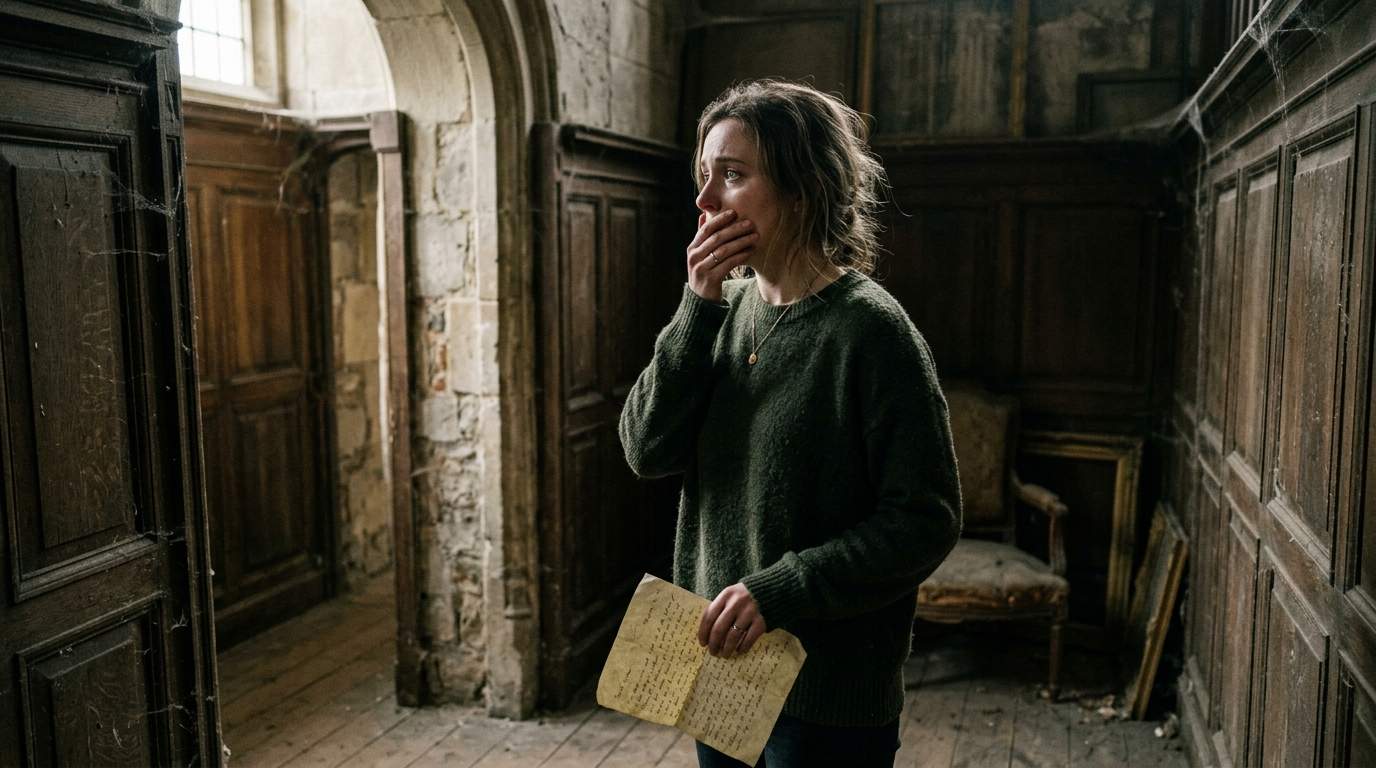
I pushed, I prodded, running my hand along the cool, textured surface until I felt a small, almost invisible catch.
With a click, the section of the wall receded slightly, revealing a narrow, dark opening—a secret room.
The air inside was stale, heavy with the scent of age and forgotten things, and a shiver ran down my spine.
It was barely a closet, yet it felt enormous, charged with unspoken history.
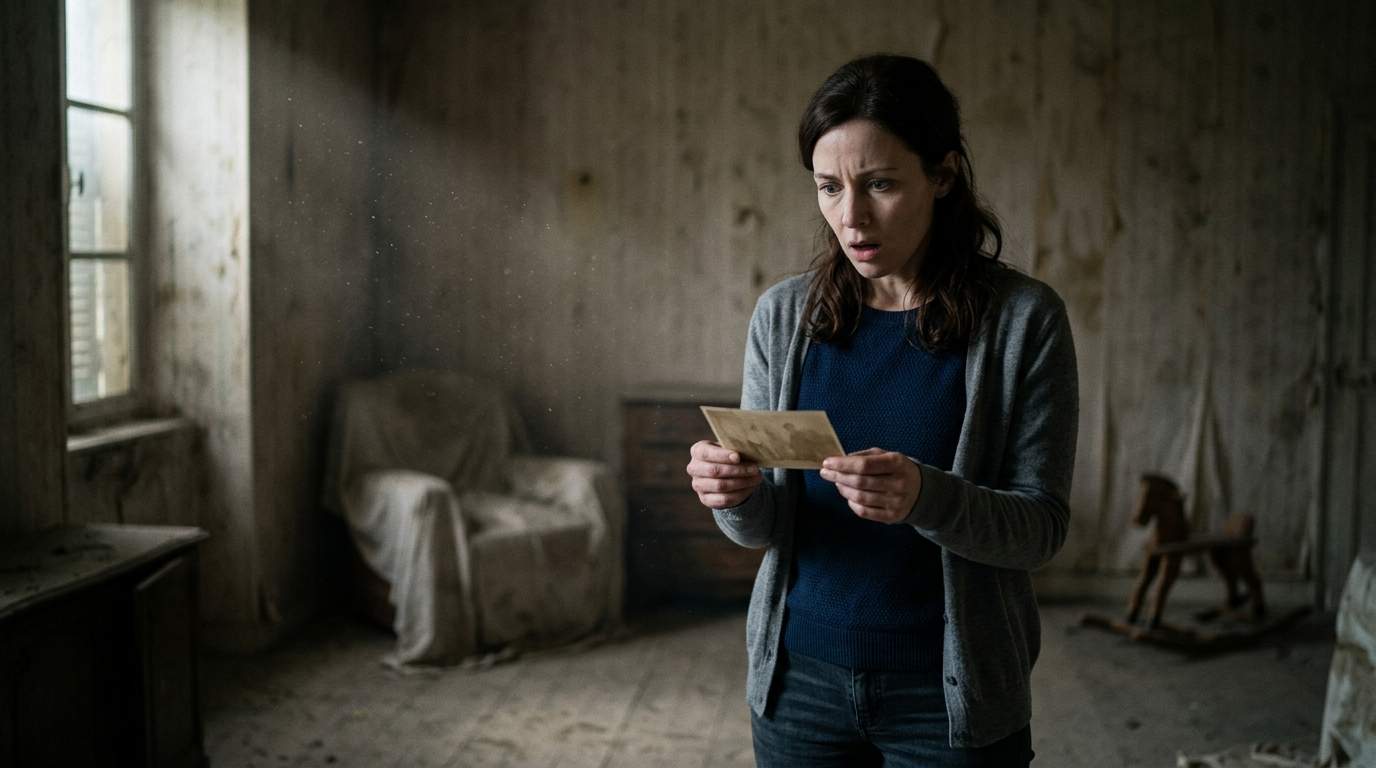
Inside, on a small, untouched shelf, sat a single, leather-bound journal, its pages yellowed with time.
My hands trembled as I reached for it, dust puffing up around me like disturbed spirits.
The journal felt impossibly heavy in my grasp, as if carrying the weight of years.
I flipped it open, and the faded ink on the first page made my breath catch in my throat.
It was Grandma Edith’s handwriting, unmistakable, yet the words were nothing I could have ever imagined.
She wrote about a dark, desperate time, a scandal that threatened to tear our prominent family apart decades ago.
A secret child, born out of wedlock, hushed up, given away to strangers to protect the family name.
My mind raced, trying to process this, assuming it was some long-lost relative, a dark footnote in our family tree.
Then, I saw my mother’s name.
My mother, Sarah Mae, not born of the family I knew, but swapped at birth, given to my grandparents as their own.
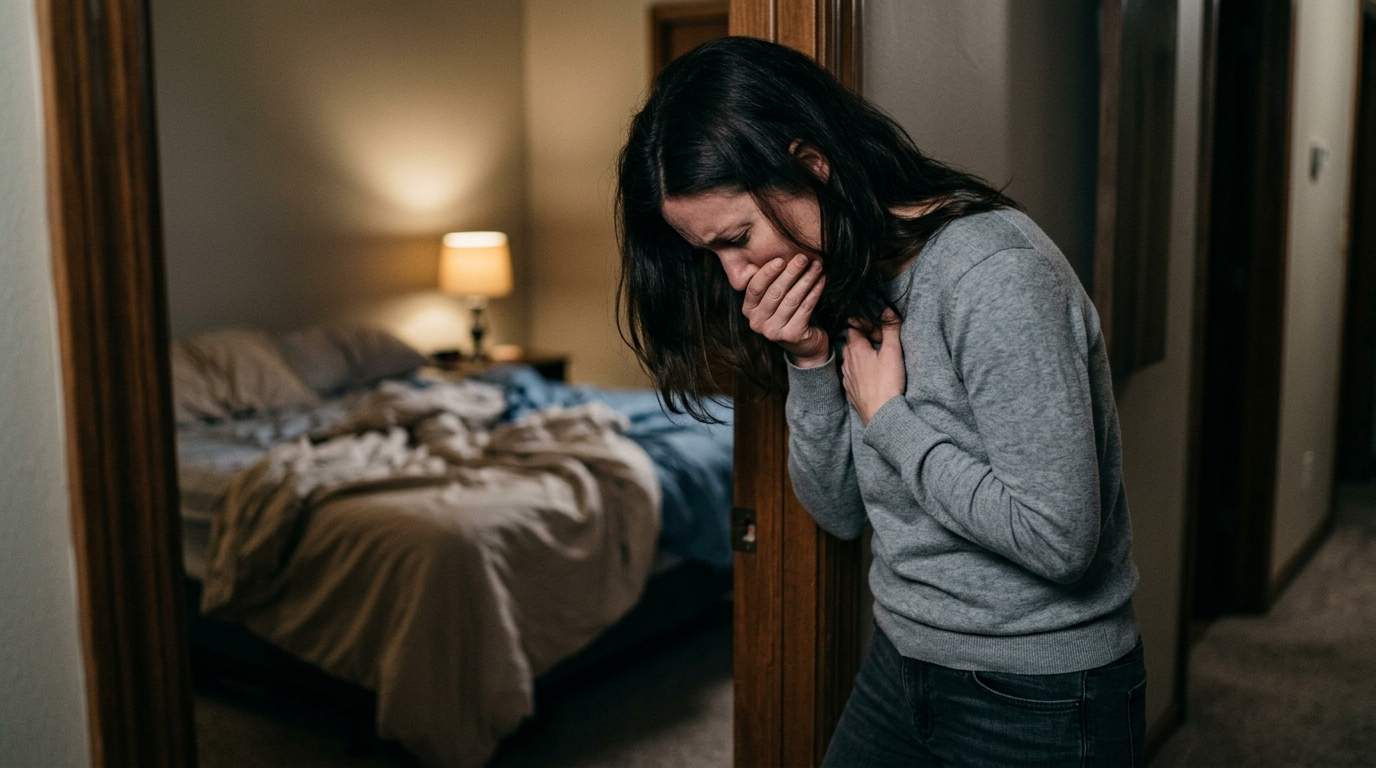
My stomach dropped, the world tilting precariously on its axis.
No, this couldn’t be right; this had to be a cruel joke, a figment of a lonely old woman’s imagination.
But as I read on, the details piled up, concrete and horrifyingly real.
Birth dates, hospital names, the desperate machinations to hide the truth.
The true heir, my grandmother's biological child, had been stillborn, and in a moment of panic and social fear, another baby was secretly brought in.
My mother.
The woman I called Mom, who raised me, who loved me, wasn’t a biological member of this family at all.
This meant I wasn’t either.
My entire lineage, my surname, my heritage—everything I understood about myself—was a carefully constructed lie.