My great-aunt Eleanor's house was less a home and more a forgotten monument.
It stood on the hill, sprawling and silent, a testament to a life I barely knew.
When the lawyer called, I was shocked to learn she'd left it all to me.
I imagined fresh starts, a quiet life, maybe even finding some peace within its old walls.
The first few weeks were a blur of dust sheets and echoing footsteps.
Every creak seemed to whisper stories of the past.
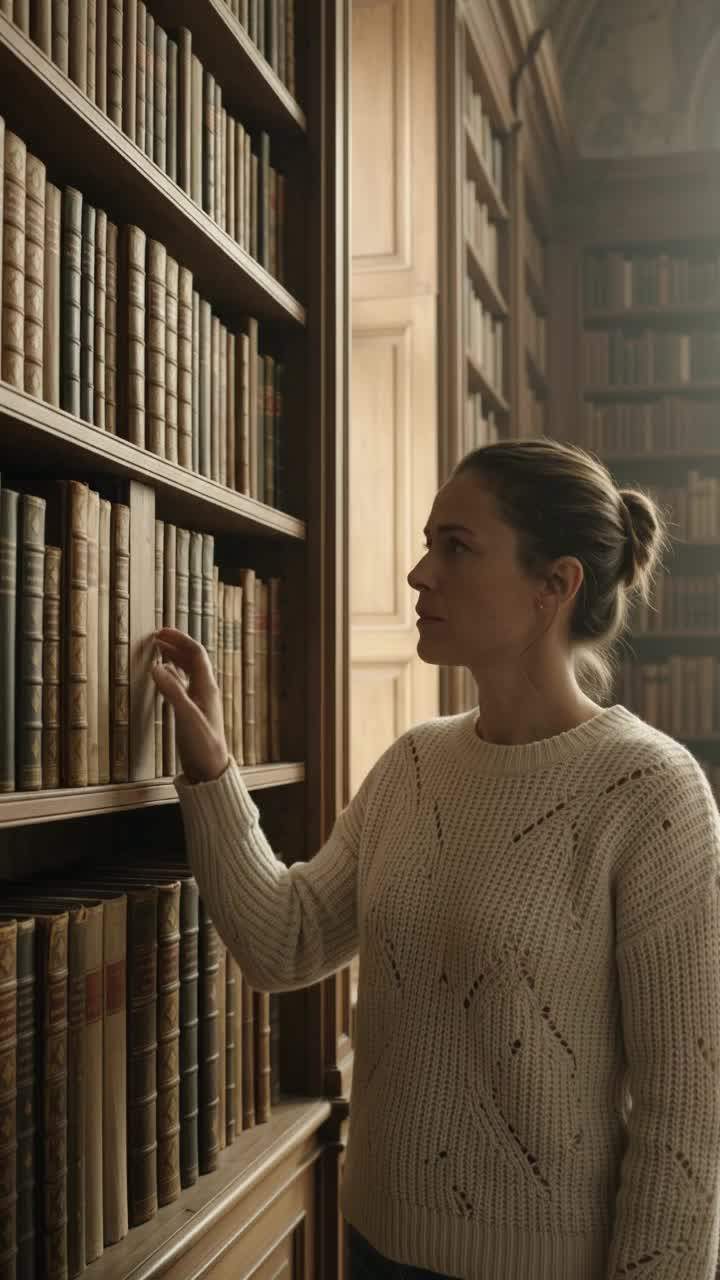
I found myself drawn to the library, a vast room lined with forgotten books.
One afternoon, running my hand along a carved mantelpiece, my finger caught on something unusual.
It was a barely visible seam, disguised perfectly into the wood.
My heart pounded with a childish sense of adventure.
I pressed, pushed, and then a small click echoed in the silence.
A section of the wall, disguised as a bookshelf, slowly swung inward.
Beyond it was a narrow, dark passage, smelling of dust and forgotten time.
My flashlight beam cut through the gloom, revealing a small, hidden room.
It was sparse, almost like a sanctuary, yet filled with a palpable sense of secrecy.
In the center sat a sturdy old wooden chest, locked but with a key dangling from a rusty nail above it.
My hands trembled as I unlocked the heavy lid.
Inside were journals, dozens of them, meticulously dated, along with stacks of old letters and faded photographs.
They belonged to Eleanor, chronicling a life I never knew she had.
I picked up the first journal, its leather cover cracked with age.
The initial entries spoke of daily life, garden parties, and mundane chores, all in Eleanor’s elegant script.
Then, the tone shifted.
A new name began to appear: "Thomas," a man she loved fiercely.
This wasn't my great-aunt Eleanor, the eccentric recluse I'd heard whispers about.
This was a woman consumed by a clandestine passion.
The letters revealed an affair, intense and desperate, stretching back decades.
Thomas was married, a prominent figure in our small town, a pillar of the community.
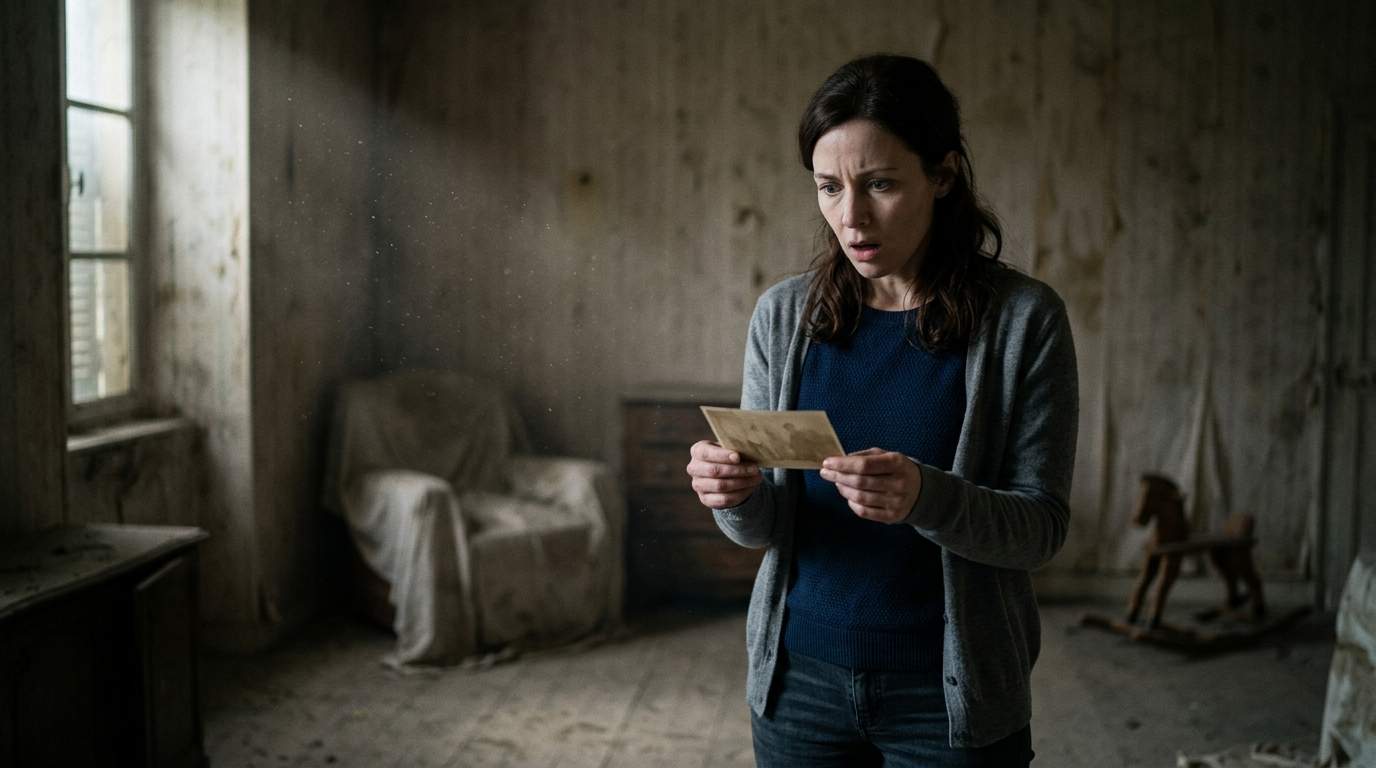
But the real shock came when I saw his full name on an old photograph.
It was my grandfather.
My mother's father.
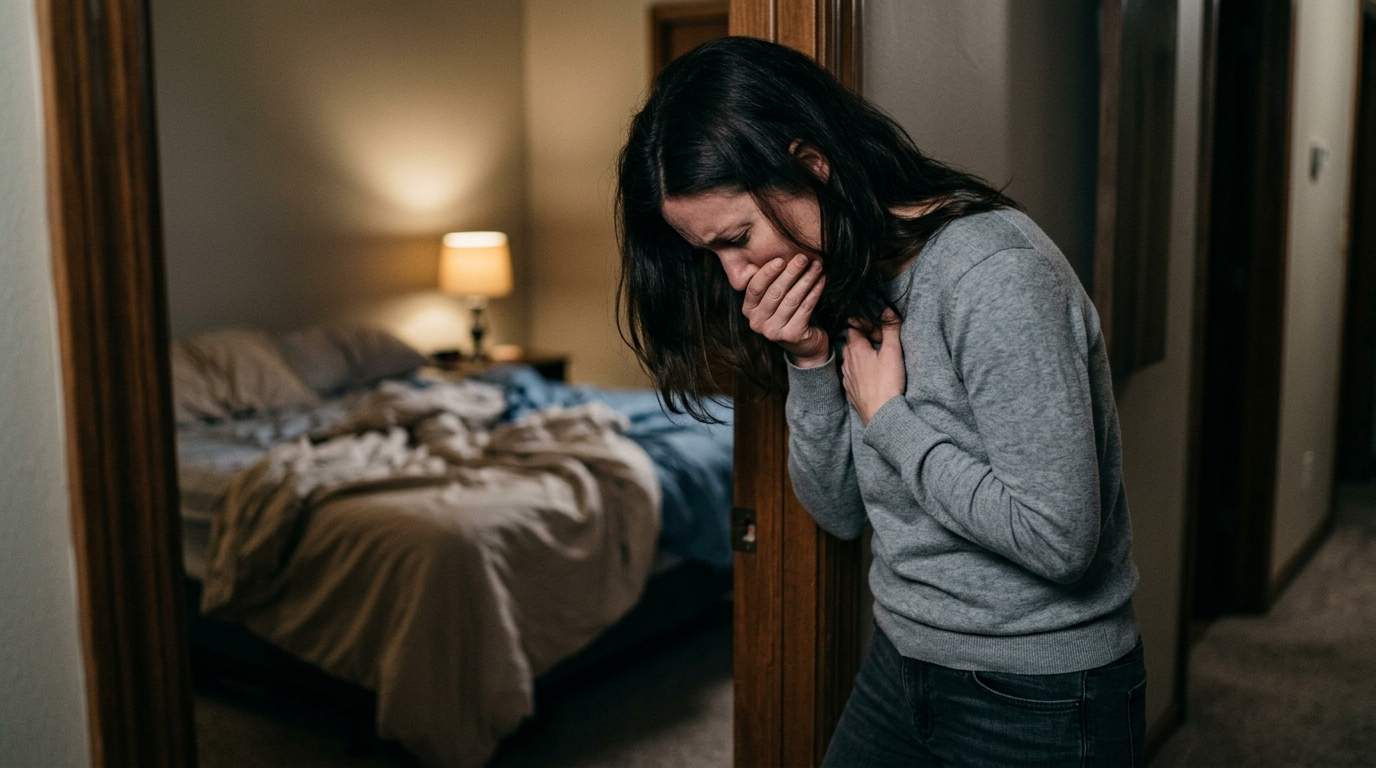
My world tilted on its axis, the floor beneath me feeling suddenly unstable.
My grandparents, the epitome of stability and devotion, suddenly felt like a fiction.
The journals chronicled their secret rendezvous, their whispered promises, their agony.
Eleanor wrote of her unwavering belief that one day he would leave his wife, my grandmother.
But he never did.
Instead, the journals revealed an even deeper layer of deceit.
Eleanor fell pregnant.
The entries from that period were raw with fear and desperate hope.
She wrote about trying to conceal it, about Thomas's panic, about the impossible situation.
Then, a gap in the journals.
Days, weeks, months of silence, followed by a single, heartbreaking entry.
"She’s gone. It was for the best, they said. For everyone."
"They" included my grandfather.
My great-aunt Eleanor had a child.
And it was taken from her, hidden away, to protect my grandfather's reputation and his family—my family.
The subsequent entries were filled with a profound, unyielding grief.
Eleanor didn't just become eccentric; she became a ghost in her own life.