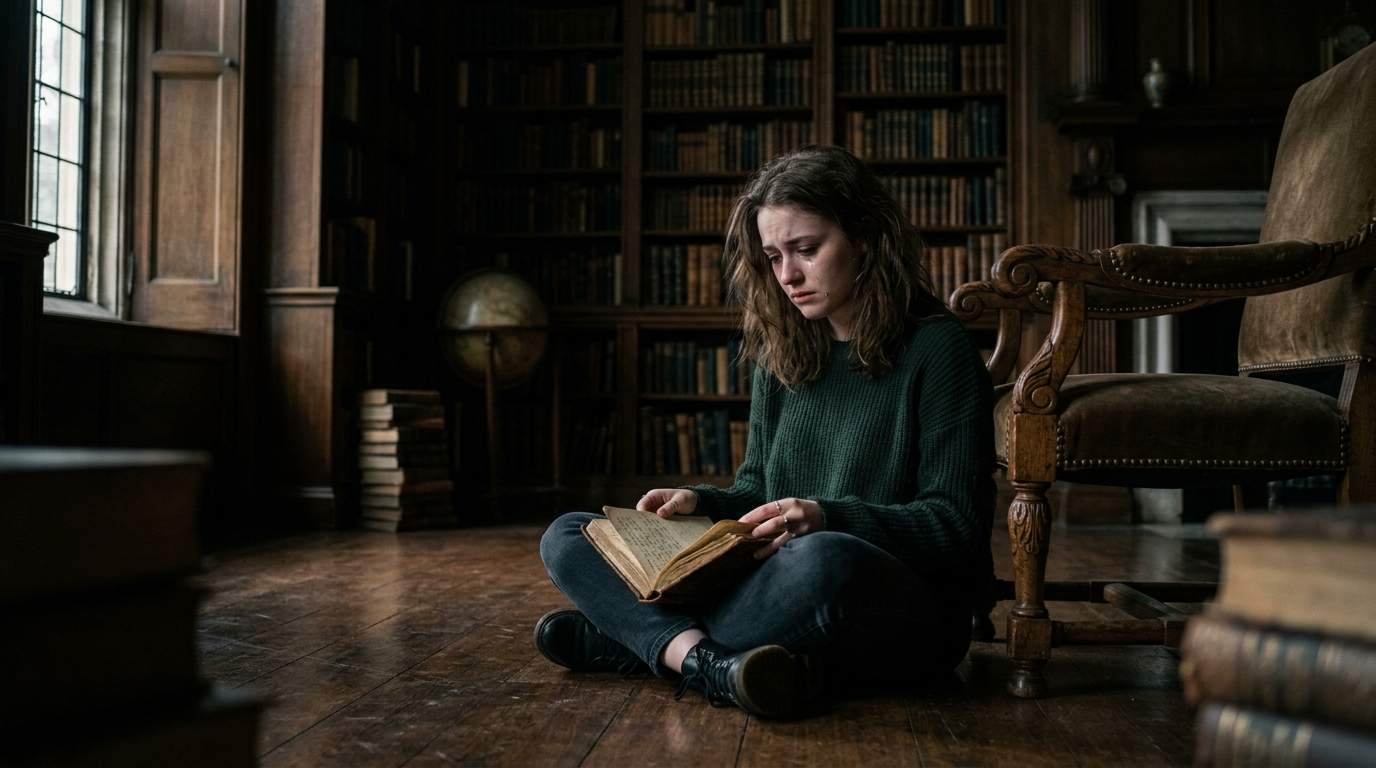
My Aunt Mildred’s will was a shock.
I barely remembered her, a distant relative I’d met only a few times as a child.
But suddenly, her sprawling, ancient mansion was mine.
It felt like stepping into another era the moment I crossed the threshold.
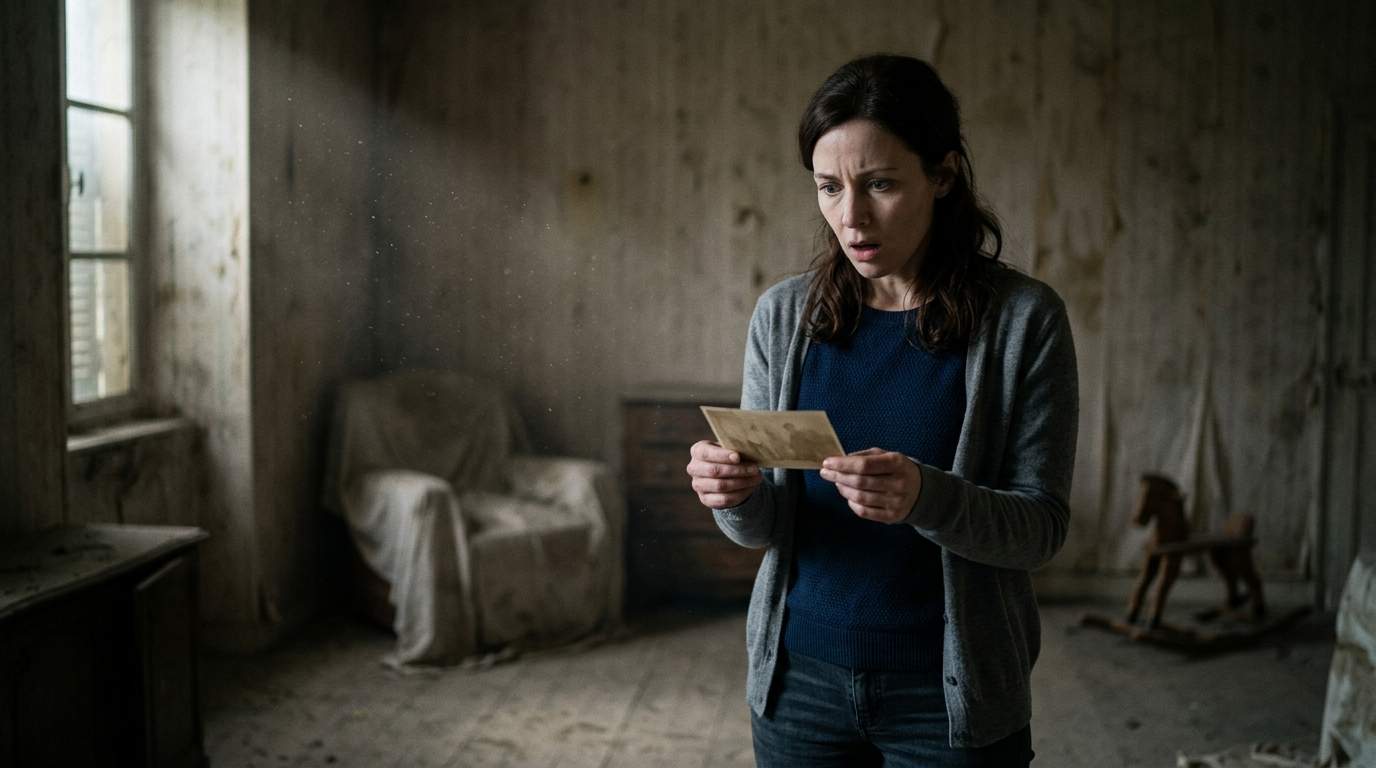
Dust motes danced in the sunbeams that pierced the heavy, velvet curtains.
Every floorboard creaked with a story untold, a whisper from the past.
The first few weeks were a dream, exploring dusty libraries and grand ballrooms.
I felt like a character in a gothic novel, happily lost in its forgotten halls.
But there was always a peculiar chill in the air, a sense of something…off.
It wasn't just the drafty windows or the lack of modern heating.
It was a feeling, a pervasive unease that settled deep in my bones.
One afternoon, while trying to fix a stubbornly rattling window frame in the master study, I noticed something odd.
A section of the elaborate mahogany paneling seemed slightly out of alignment.
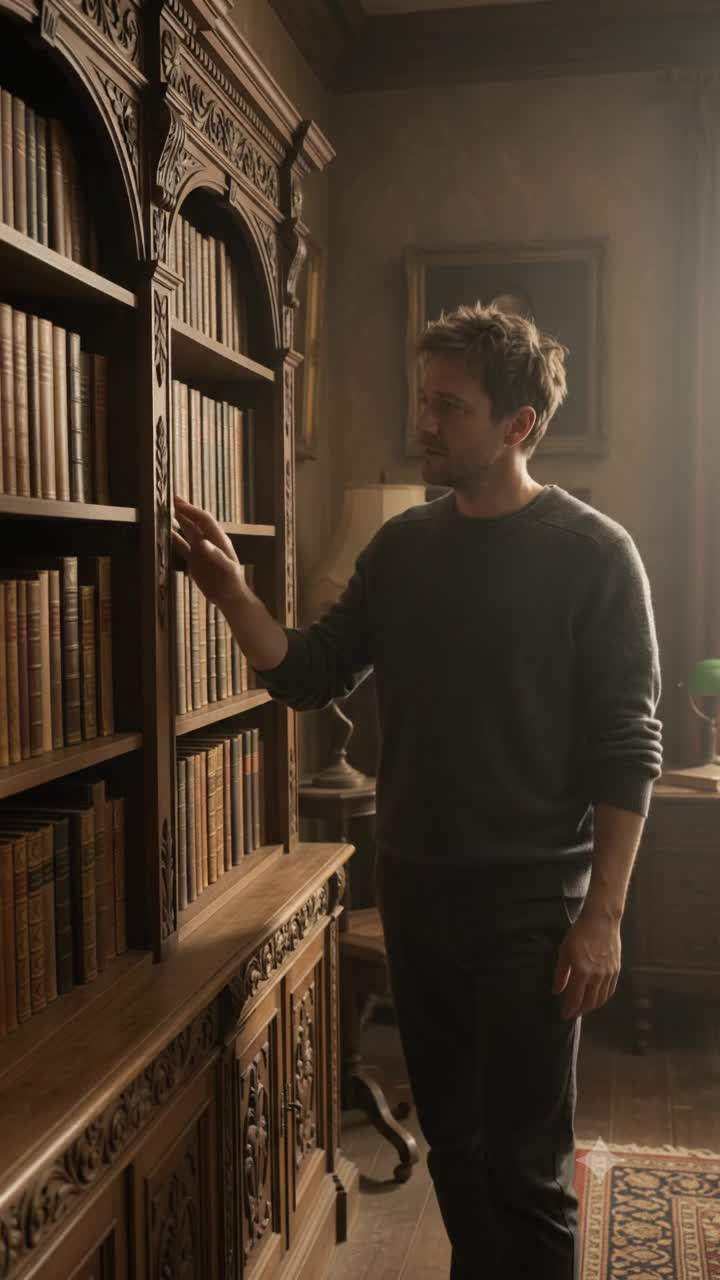
My fingers traced the intricate carvings, pushing gently.
To my surprise, a small, almost imperceptible click echoed in the silent room.
A section of the bookcase, not the window, swiveled inward, revealing a narrow, dark passage.
My heart hammered against my ribs, a primal drumbeat of both fear and exhilarating curiosity.
This was it, the mansion’s true secret, I just knew it.
Armed with my phone’s flashlight, I stepped into the suffocating darkness.
The air was thick with the scent of old paper and stale dust, a forgotten tomb.
The passage opened into a small, windowless room, surprisingly untouched by time.
A single, sturdy oak chest sat in the center, covered in a thick layer of grime.
It looked like it hadn't been opened in decades, perhaps even a century.
My hands trembled as I fumbled with the rusted latch, the sound echoing eerily.
With a final, protesting groan, the lid sprang open.
Inside, neatly organized, were bundles of yellowed letters, a leather-bound diary, and a small, tarnished silver locket.
My breath hitched in my throat as I picked up the diary.
It belonged to a young woman named Eleanor, dated from the 1920s.
Her elegant script detailed a life I never knew existed within these walls.
She wrote of forbidden love, hushed conversations, and a growing, desperate fear.
Then, a specific entry sent a jolt of ice through my veins.
It spoke of a child, a baby boy, hidden away, his existence a closely guarded secret.
Eleanor described her terror, her family’s shame, and the extreme measures taken to keep him concealed.
But it was the next bundle of papers that truly shattered my world.
These were official-looking documents, faded newspaper clippings, and a hand-written confession.
They detailed the tragic "accidental" death of a young woman – Eleanor – just months after her last diary entry.
The confession, written in a shaky hand, wasn't hers.
It was signed by my great-grandfather, a pillar of the community, a man whose portrait hung proudly in the main hall.