My grandmother’s will was surprisingly simple.
She left me Blackwood Manor, the sprawling, silent house she’d lived in her entire life.
I always thought the place was just old, filled with dusty memories and forgotten elegance.
It was never a house I truly loved; it felt more like a museum of things I wasn’t allowed to touch.
But after she passed, it became my inheritance, my responsibility.
Moving in felt strange, like walking into someone else’s dream.
Every creaking floorboard echoed with a story I didn’t know.
The air hung heavy with the scent of aged paper and forgotten lavender.
I spent weeks just wandering, trying to understand the silent history around me.
Most of the family portraits were familiar, stern faces staring down from high walls.
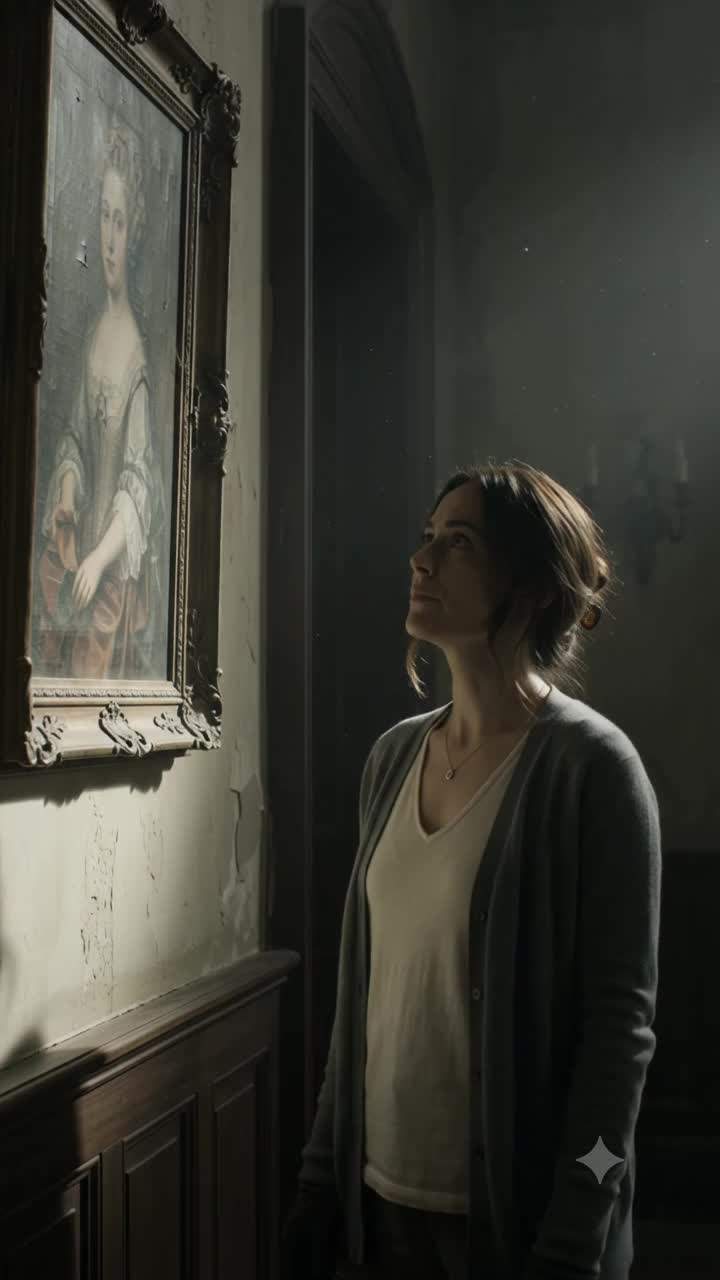
But there was one, tucked away in a dimly lit hallway on the second floor, that always fascinated me.
It depicted a man, Elias Blackwood, with piercing eyes and a strong jawline.
He was always referred to as a distant, important ancestor, the founder of our family’s wealth.
My grandmother had always been vague about him, dismissing him with a wave of her hand whenever I asked.
“Just an old Blackwood,” she’d say, and change the subject.
I decided to clean that hallway first, starting with the portrait.
It was heavy, encased in a dark, ornate frame that felt strangely loose.
As I dusted the top, my fingers brushed against something hard, almost hidden in the ornate carving.
It wasn't a part of the frame.
My heart gave a little jolt, a flicker of curiosity igniting in my chest.
I pushed lightly, and a small, almost invisible latch clicked.
The frame swung inward, revealing a shallow recess in the wall.
Inside, nestled amongst decades of dust, was a single, yellowed envelope.
My hands trembled as I pulled it out, the paper brittle with age.
It was addressed to "My Dearest Evelyn," written in my grandmother's elegant, looping script.
That couldn’t be right; I was Evelyn.
But the paper felt ancient, far older than my lifetime.
Then I realized: it was addressed to her Evelyn, her own mother, my great-grandmother.
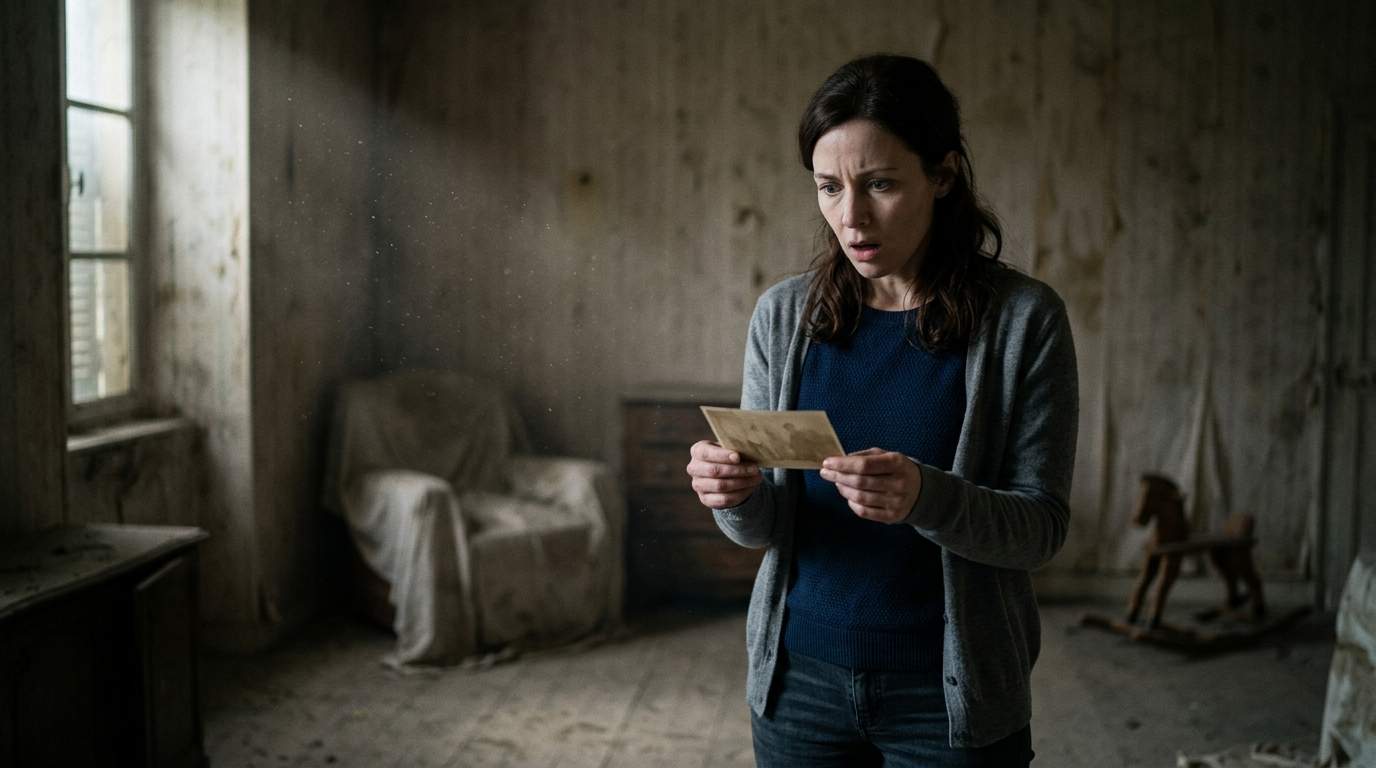
I carefully unfolded the letter, my breath catching in my throat.
Advertisement
The words were faded, but their impact was immediate and brutal.
It was a confession, a desperate plea for forgiveness from my grandmother, Eleanor.
She wrote about Elias Blackwood, the man in the portrait.
He wasn’t a distant ancestor at all.
He was the love of her life, a man of humble beginnings whom her powerful family had deemed entirely unsuitable.
They forbade their union, threatening ruin and disgrace.
Her parents, my great-grandparents, had arranged her marriage to another man, a prominent figure in the community.
A man she never loved.
A man I had always known as my grandfather.
The letter detailed how they systematically dismantled Elias’s life, financially and socially.
They exiled him, ensuring he would never return to their town.
But before he was driven away, Eleanor revealed a devastating truth.
She was pregnant.
With Elias’s child.
Her parents orchestrated a masterful deception.
They allowed her to marry the "suitable" man, my supposed grandfather.
They presented his son, my true father, as the legitimate heir of the Blackwood lineage.
The man I knew as my father grew up believing he was the son of his mother’s husband, not Elias.
My entire family line, the one I had always been so proud of, was a meticulously crafted lie.
My grandmother, Eleanor, carried this secret, this profound betrayal, to her grave.
She wrote about the pain, the guilt, the desperate need to protect her son, my father, from the truth.
But she also wrote about Elias, wondering if he ever knew, if he ever had a chance at a life he deserved.
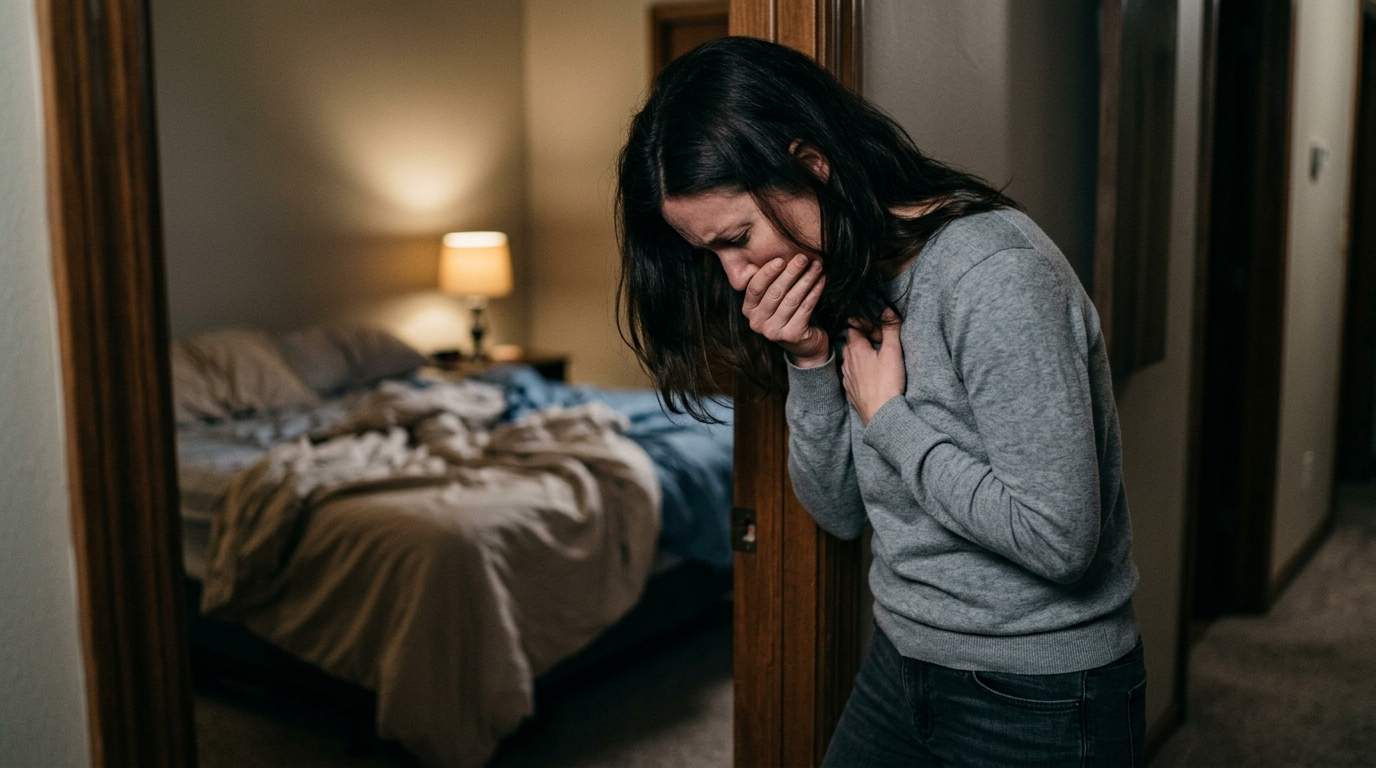
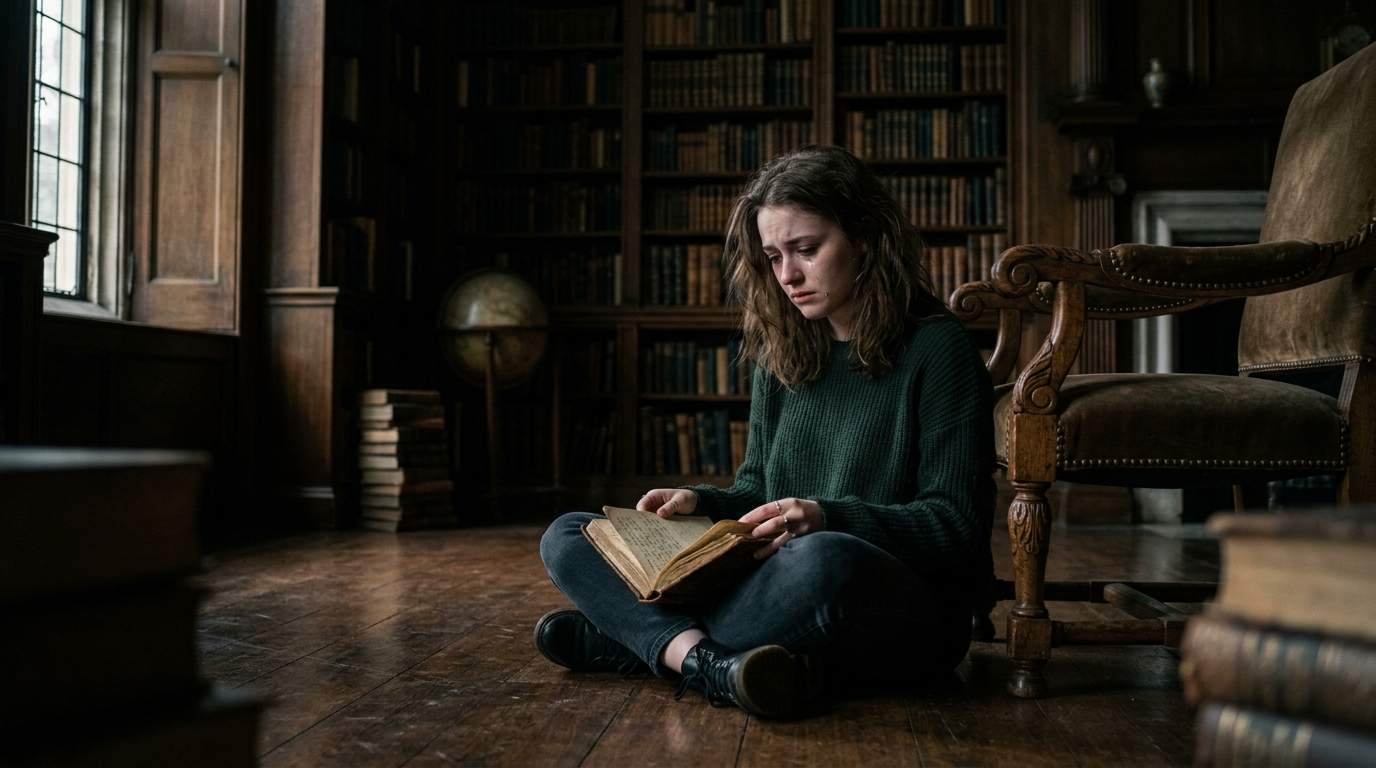
My vision blurred as I finished reading.
The paper slipped from my numb fingers, fluttering to the dusty floorboards.
My knees felt weak, threatening to give way beneath me.
I gripped the cold, bare wall, trying to steady myself.
The portrait of Elias Blackwood seemed to stare at me now with new eyes, eyes filled with the injustice of generations.
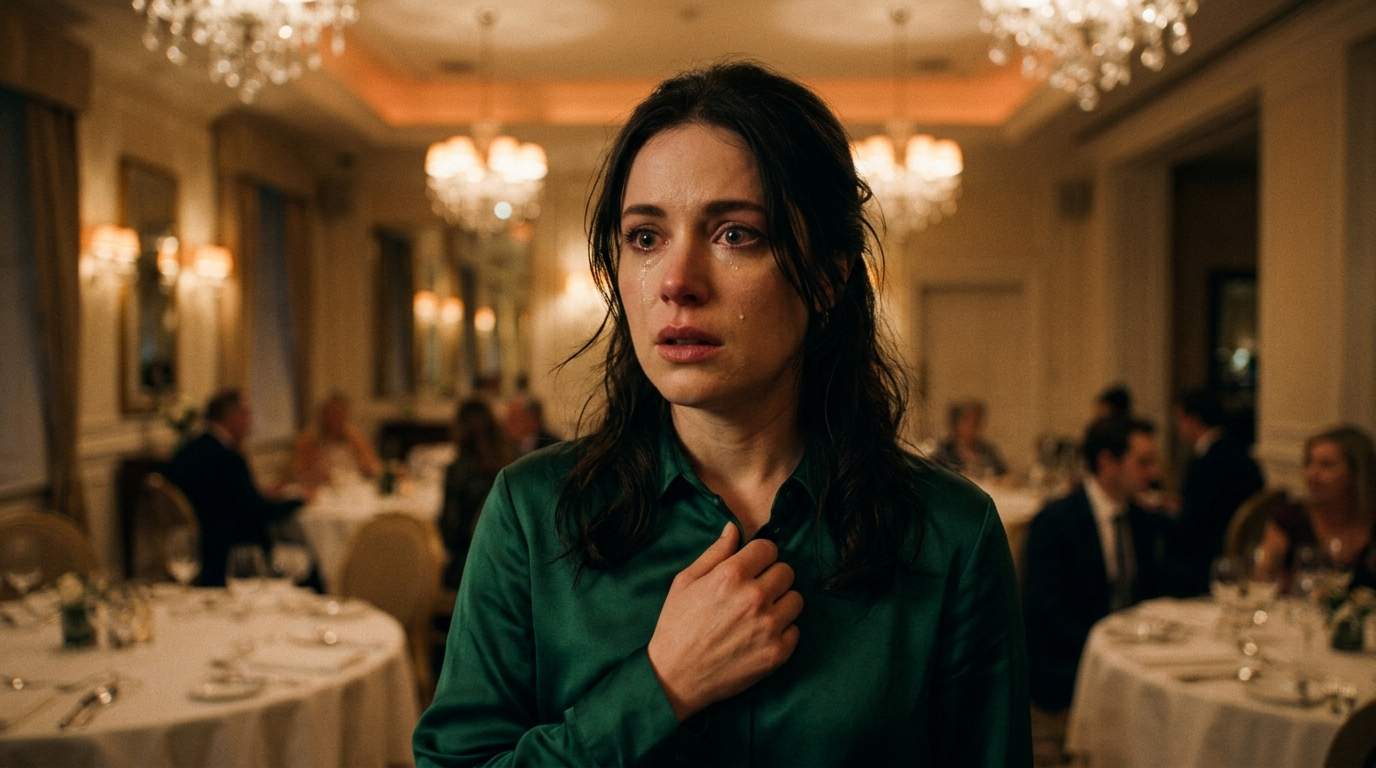
Everything I thought I knew about my family, about myself, shattered in that instant.
My heritage, my name, my very identity – it was all built on a foundation of deception and heartbreak.
My grandmother, the woman I loved and respected, had lived a lie, and so had my father.
And now, I was living it too, except I knew the truth.
The mansion, once a symbol of family legacy, now felt like a mausoleum of lies, suffocating me with its secrets.
The weight of it all settled on my shoulders, a crushing burden I never asked for.
I stared at the letter, lying innocently on the floor, holding the power to unravel everything.
My family, the Blackwoods, were not who I thought they were.
And neither, it turned out, was I.