I finally did it.
I bought the old Hawthorne Manor.
It had been in my family for generations.
My grandmother always told me stories about its grandeur.
I pictured myself living there, restoring it to its former glory.
It was more than a house; it was a connection to my roots.
My parents had always avoided talking about its full history.
They just said it was "too much work."
But I saw possibility, not burden.
The first few weeks were pure bliss.
I walked the dusty halls with a sense of pride.
Every creak of the floorboards felt like a whisper from the past.
I started renovation plans almost immediately.
The east wing library was my first project.
It was where my great-grandfather, a renowned historian, spent most of his time.
One afternoon, I was pulling down some crumbling plaster near the fireplace.
I noticed something odd behind a loose section of the wall.
It wasn't just old brick.
There was a faint, almost invisible seam.
My heart started to pound.
It felt like a hidden door, just like in old novels.
I worked for hours, carefully prying away plaster and rotten wood.
My hands were raw and dirty.
Finally, with a soft click, a small section of the wall gave way.
It revealed a narrow, dark opening.
A musty, cold draft rushed out, carrying the scent of forgotten things.
I grabbed a flashlight and peered inside.
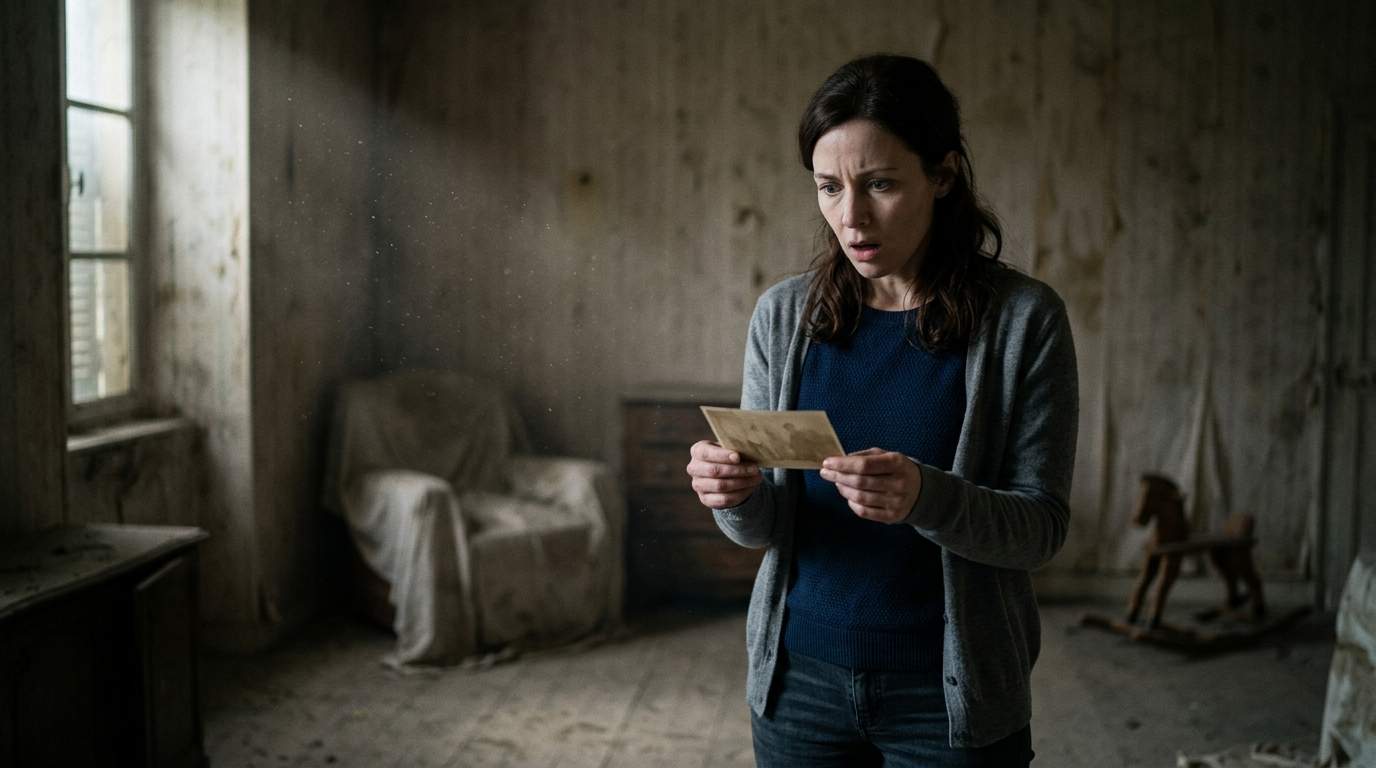
It was a small, secret room, untouched for decades.
Dust motes danced in the beam of my light.
Advertisement
The air was heavy, still.
Inside, there was a small, simple wooden desk.
On it lay a single, leather-bound journal.
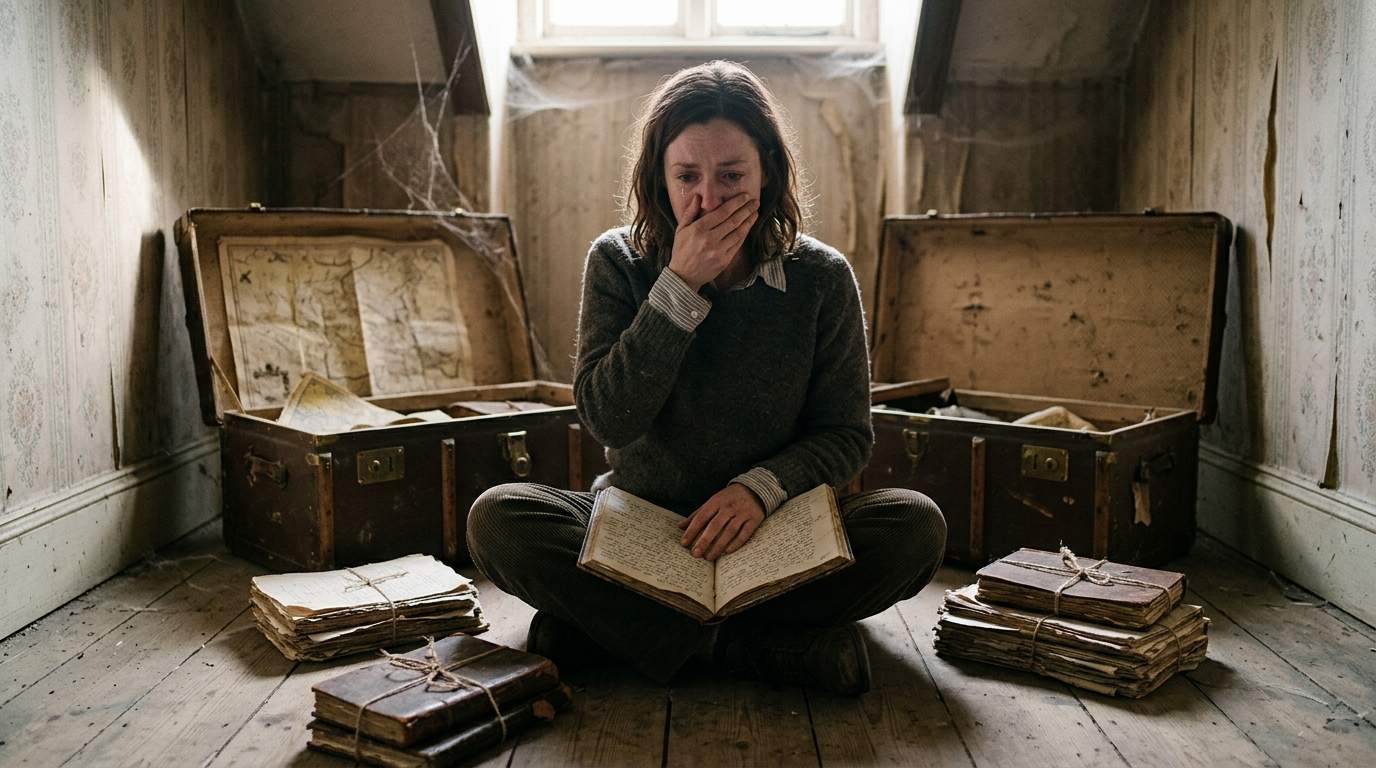
My hand trembled as I reached for it.
The leather was cracked, the pages brittle with age.
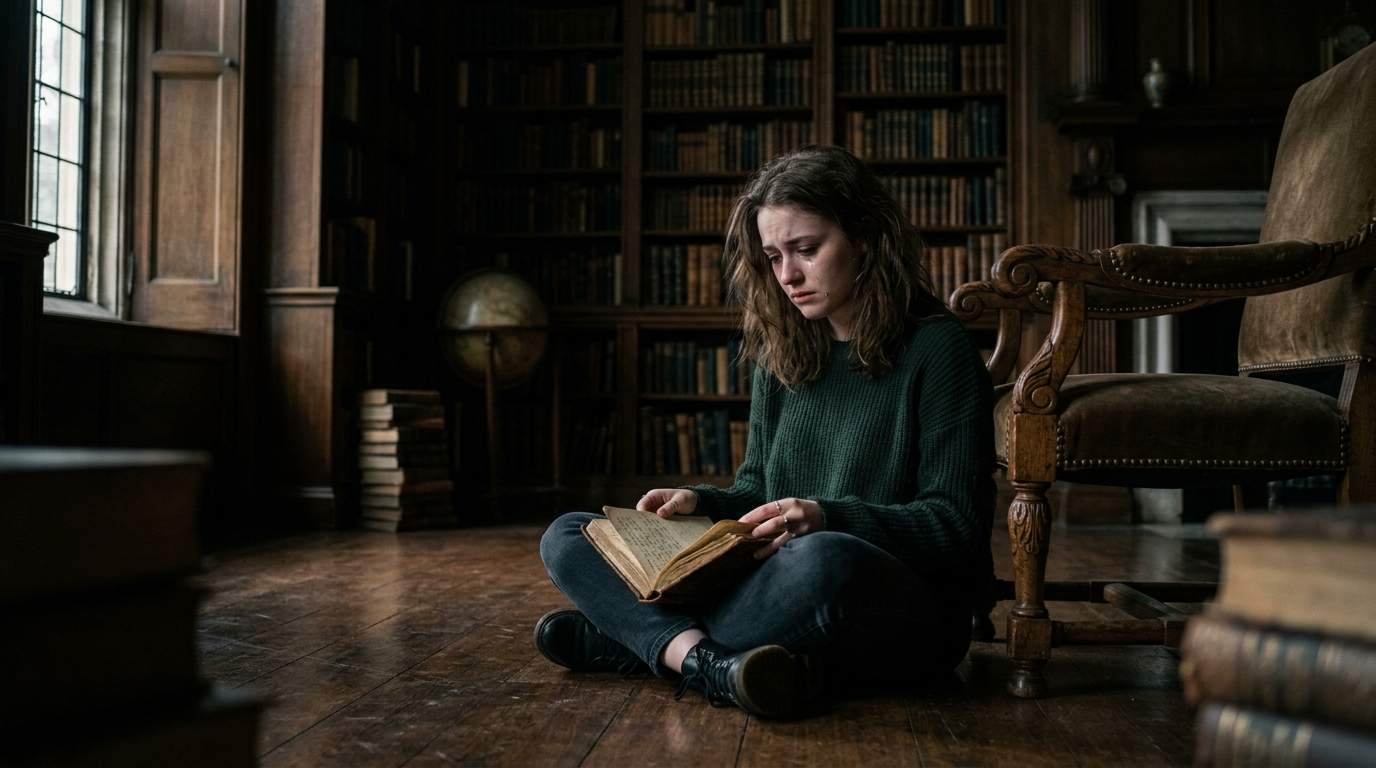
I sat on the dusty floor, heart thumping against my ribs.
I opened the journal to the first page.
The handwriting was elegant, precise, but not familiar.
It was my great-grandfather’s hand.
His first entry was dated 1903.
It began innocently enough, detailing daily life.
But as I turned the pages, the tone shifted.
He wrote of a "family matter," a "difficult situation."
Then, a name appeared.
A name I had never heard before.
"Eleanor."
She was his sister, he wrote.
My great-aunt, erased from all family records.
The entries became increasingly frantic.
He detailed how Eleanor had fallen in love with a man from a "lower station."
A man who worked on the estate grounds.
My family, obsessed with their reputation and social standing, disapproved vehemently.
They forbade the union.
Eleanor, strong-willed, defied them.
She became pregnant.
My great-grandfather wrote of the scandal, the whispers.
The family concocted a monstrous plan.
They claimed Eleanor had died of a sudden illness.
They faked a burial.
In reality, they locked her away in this very secret room.
They kept her here, a prisoner, during her entire pregnancy.
Her baby, a little girl, was born within these walls.
They took the child immediately.
They gave her away to a distant orphanage.
Eleanor was then forced to sign papers, relinquishing all claim to her child.
She was threatened with disinheritance and ruin if she ever spoke a word.
My great-grandfather, consumed by guilt and fear, helped them.
He helped cover it up.
He confessed his profound regret, his sleepless nights.
He detailed how the family’s entire fortune, built on "clean" investments, had been bolstered by hush money.
Advertisement
Money paid to silence those who knew the truth.
Money used to ensure Eleanor's child never knew her lineage.
My hands shook so violently I almost dropped the journal.
My great-grandfather, a man I admired, was complicit in this cruelty.
My family, the pillars of the community, were monsters.
Eleanor lived out her days in forced exile, broken and heartbroken.
Her child grew up an orphan, never knowing her true parents.
The journal ended abruptly in 1915.
It felt like a scream trapped in time.
Every story I had ever heard about my family was a lie.
Their "legacy" was built on a foundation of abduction and deceit.
My parents, my grandparents – did they know?
Did they live with this secret, protecting the family name?
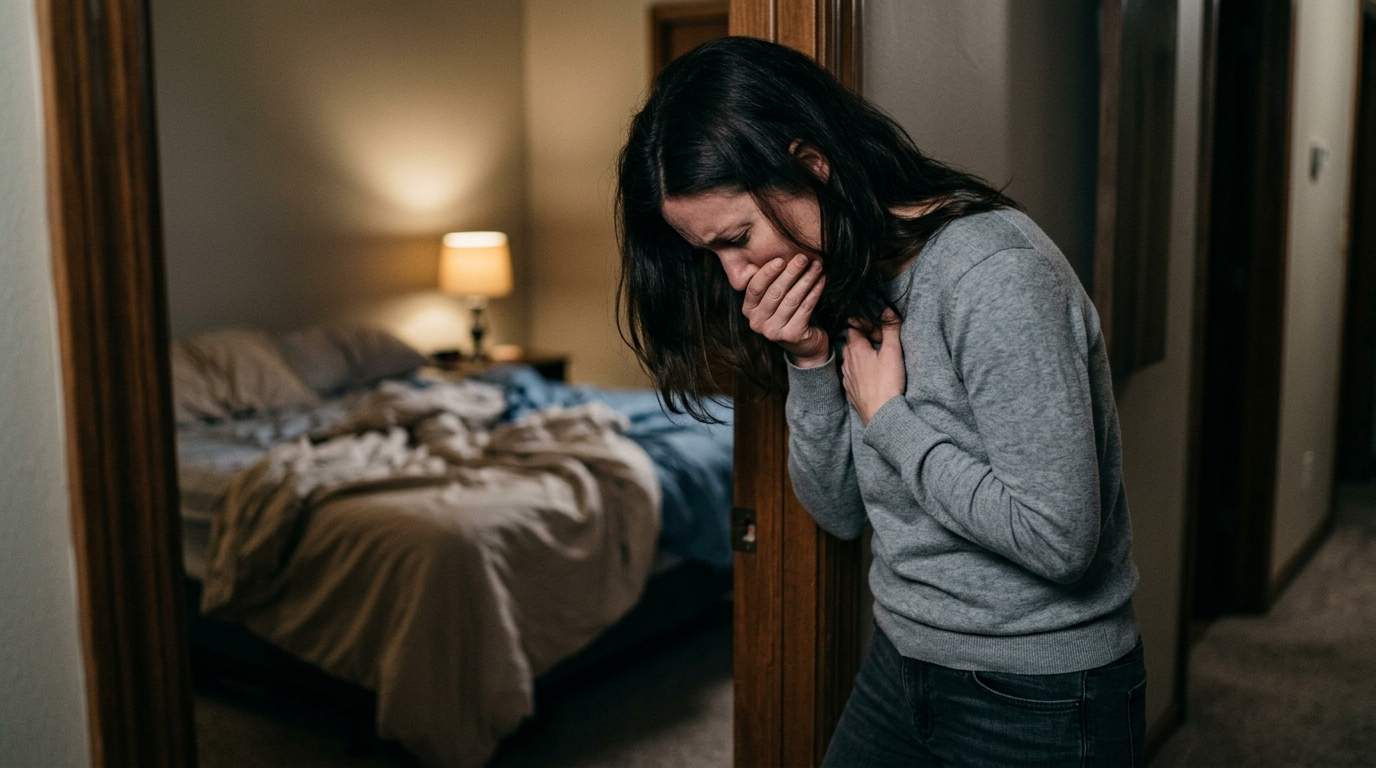
The weight of it all crushed me.
This beautiful mansion, this symbol of my heritage, was a gilded cage.
It was a monument to their darkest sin.
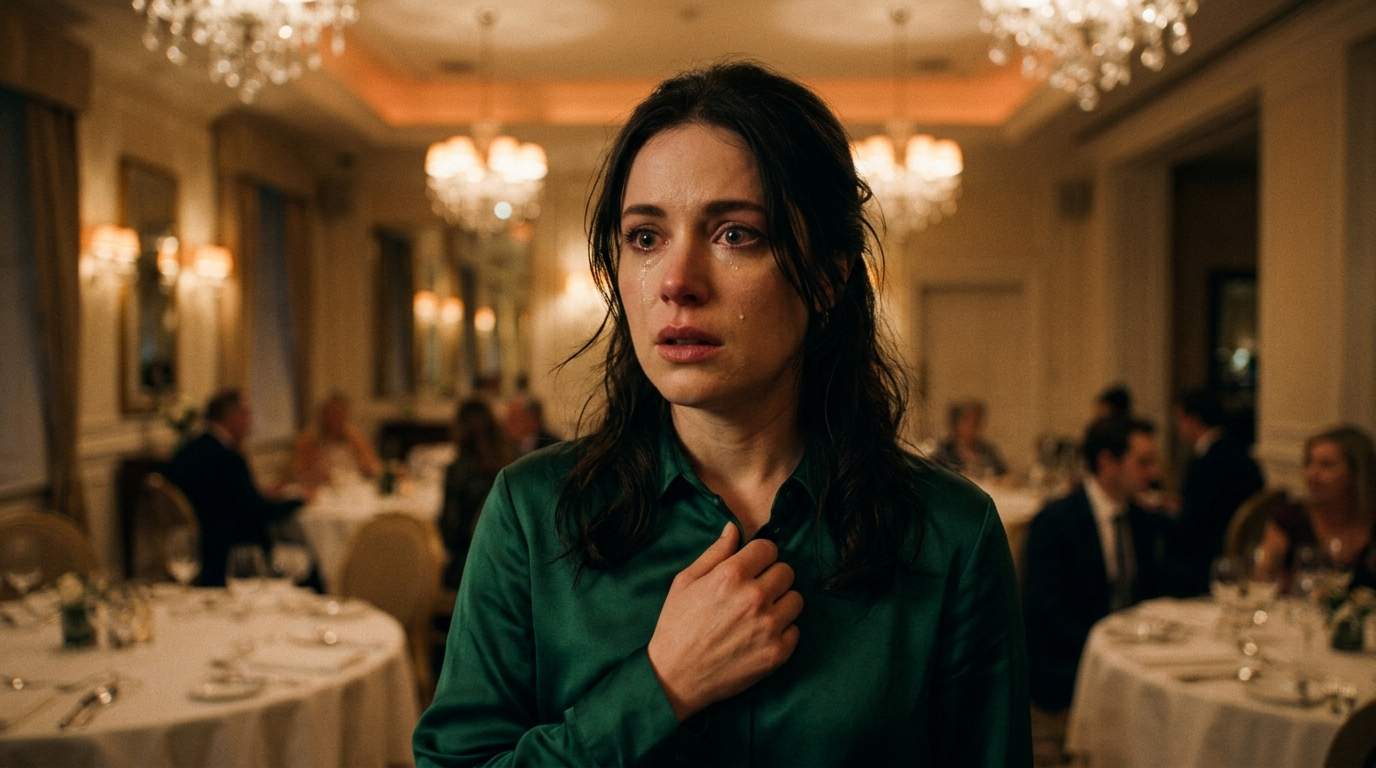
My vision blurred with tears of anger and profound sorrow.
I felt betrayed by ghosts, by people long dead.
But the betrayal felt as fresh as yesterday.
I looked around the small, forgotten room.
It was not just plaster and wood.
It was a grave for a lost life, a silent testament to a horrific truth.
How could I ever reconcile this?
How could I ever live here, knowing what happened within these walls?
The house felt cold, haunted not by spirits, but by a chilling reality.
My family’s legacy wasn't shattered; it was pulverised.
And I was the one left to pick up the pieces.