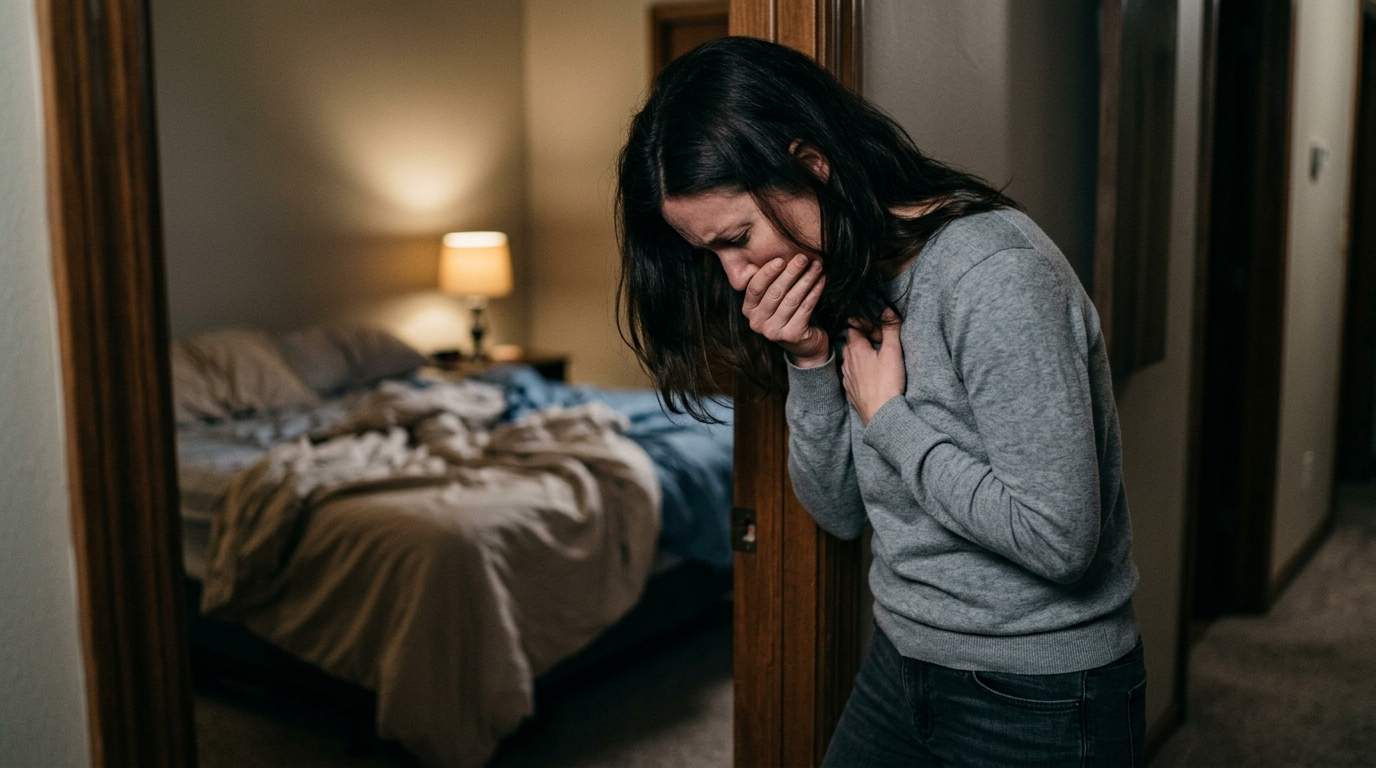
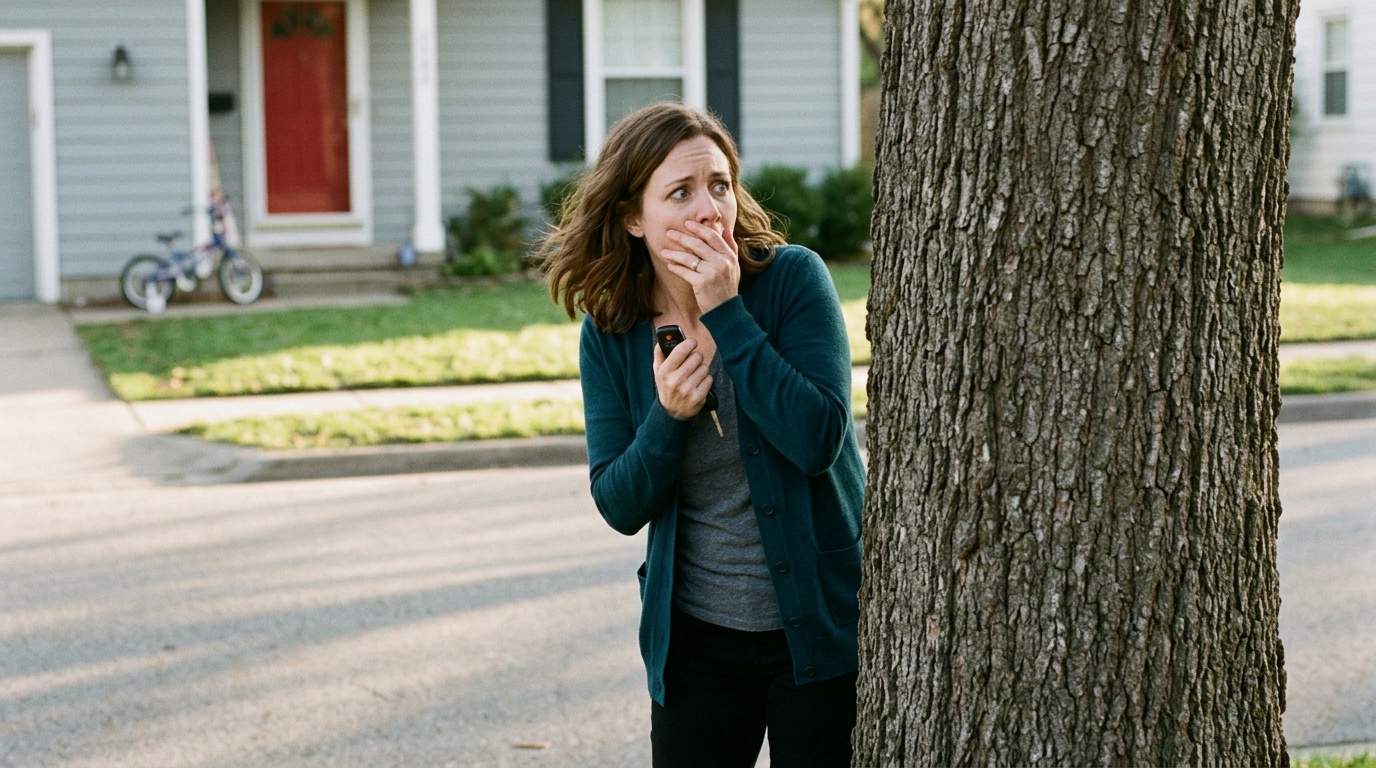
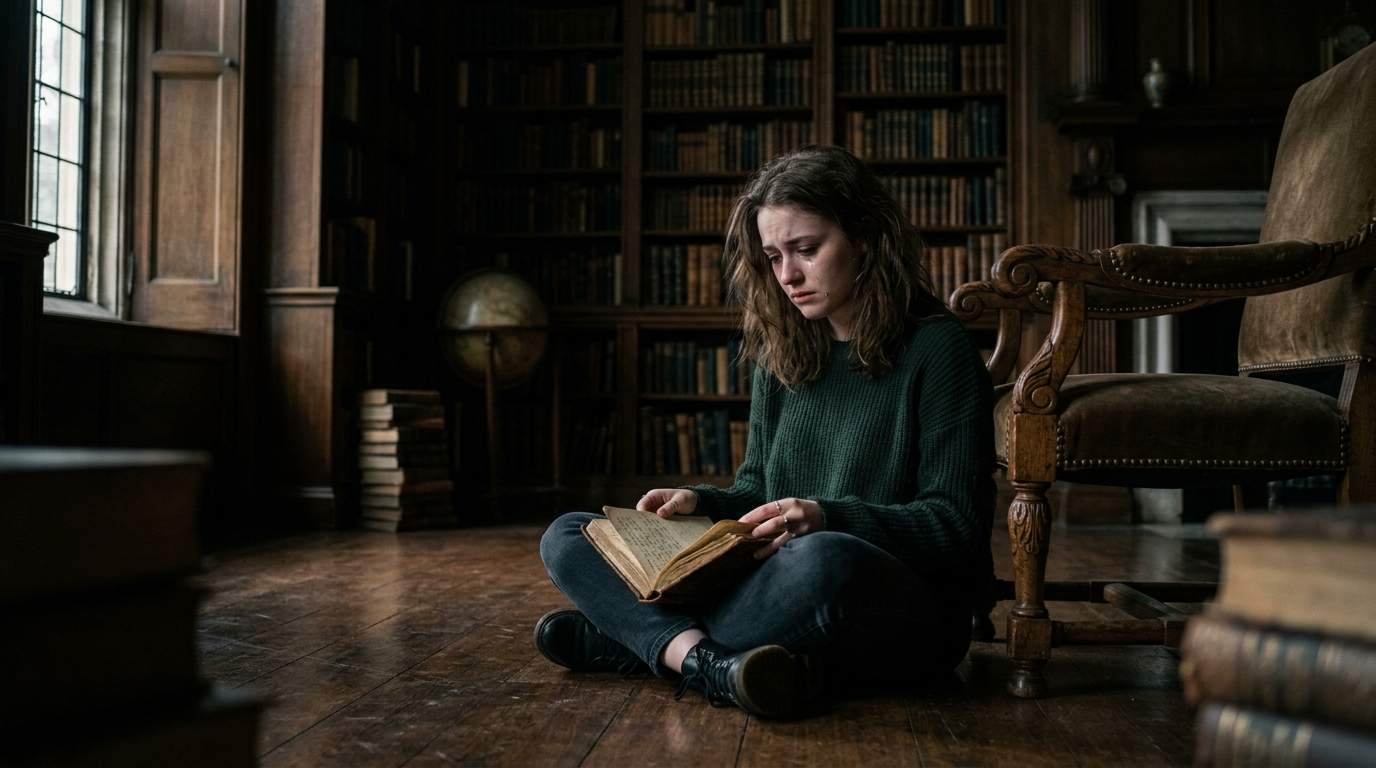
My hands still tremble when I think about that day, about the moment everything I thought I knew simply dissolved.
Blackwood Manor always felt like a character in our family, ancient and full of whispers that danced just beyond my understanding.
It had been passed down through generations, each one adding another layer to its rich, sometimes unsettling, history.
But there was one room, a heavy oak door tucked away in the deepest part of the library, that held a special, chilling place in our family’s narrative.
It was simply called "the forbidden room" by my great-aunt, who would always shiver when she mentioned it.
Every generation was told never to enter, never to even ask why, a taboo so deeply ingrained it felt almost sacred.
As a child, I’d press my ear against the cold wood, imagining ghosts, treasures, or forgotten worlds behind it.
As an adult, that childish curiosity matured into a relentless, burning need for answers.
Why was it forbidden?
What could be so terrible that an entire lineage had sworn to keep it locked away?
Last summer, after my grandmother passed, I inherited the Manor, and with it, the key to its darkest secret.
It wasn't a sudden decision; it was a slow, agonizing descent into an obsession I couldn't ignore any longer.
I spent weeks searching the dusty attics, sifting through forgotten heirlooms, haunted by the feeling that the answer was hidden in plain sight.
Finally, tucked inside a false bottom of an old wooden chest belonging to my great-grandfather, I found it.
A tarnished, ornate iron key, heavy and cold in my palm.
My heart hammered against my ribs like a trapped bird as I walked towards that formidable door.
The air around it felt heavier, colder, as if the room itself was holding its breath.
With a deep, shaky breath, I inserted the key into the ancient lock.
It turned with a groaning, metallic protest, a sound that echoed through the silent house like a cry.
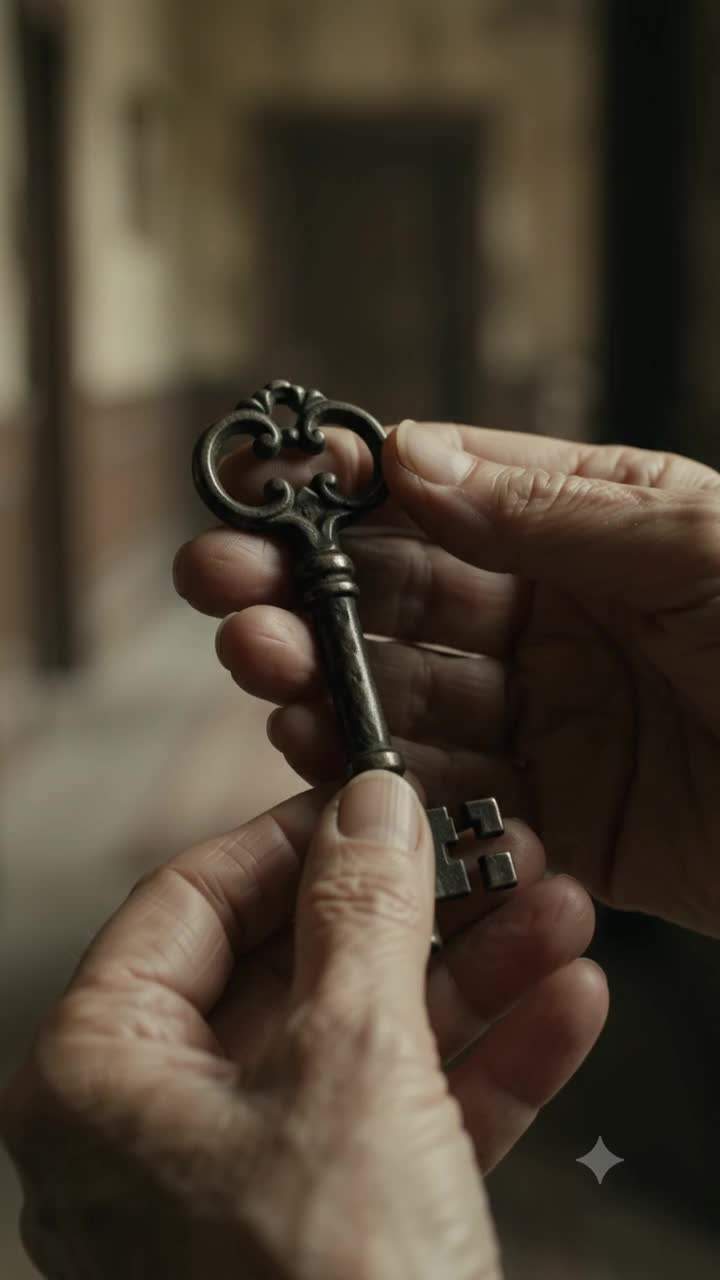
The handle, cold and unyielding, slowly gave way under my trembling grip.
The door creaked open, just a sliver at first, allowing a thin slice of musty darkness to seep out.
I pushed it wider, bracing myself for whatever horrors or wonders lay beyond.
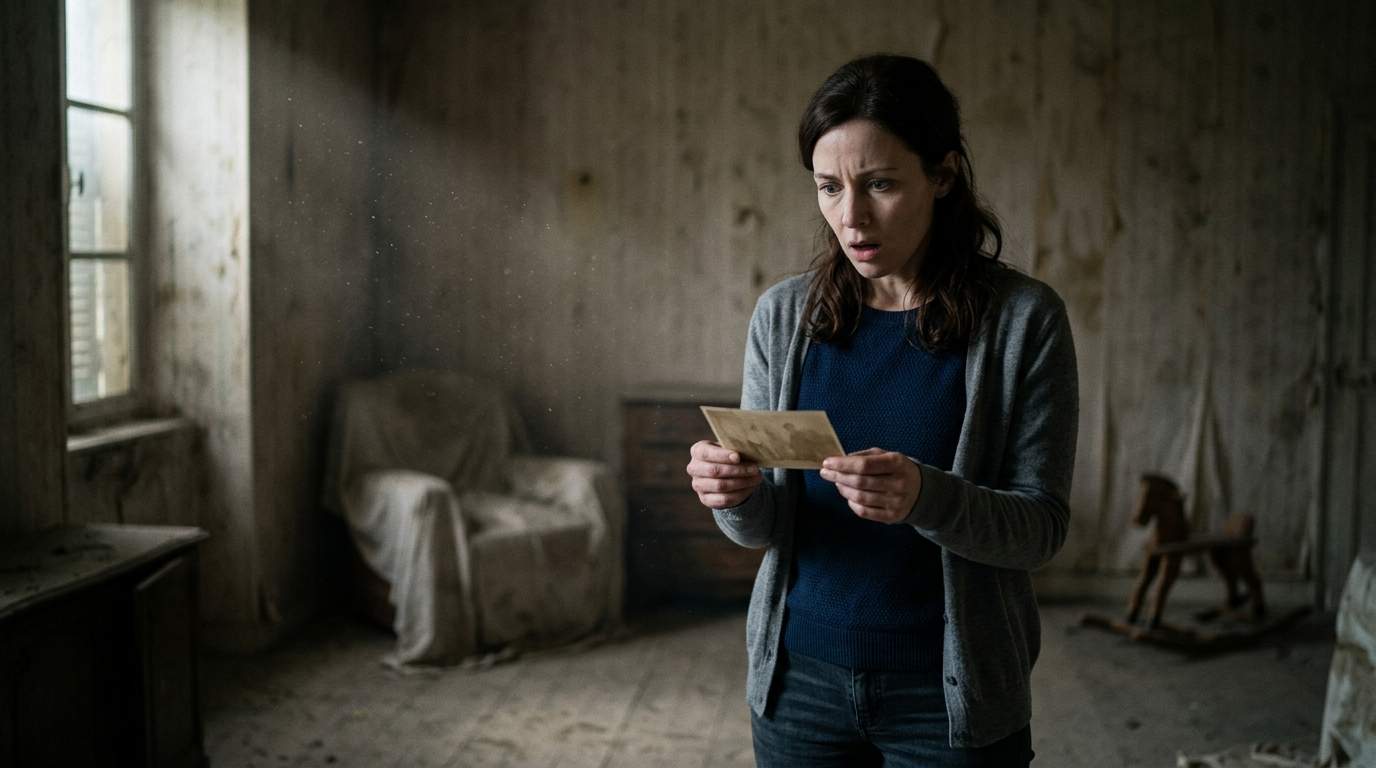
What greeted me was not a vault of treasures, nor a spectral presence, but a room choked with dust and forgotten memories.
Cobwebs hung like tattered shrouds from every surface, clinging to piles of old furniture draped in white sheets.
But beneath the dust, beneath the forgotten relics, lay stacks of yellowed journals, faded photographs, and legal documents tied with brittle ribbon.
It was not a quick discovery; it took days, weeks even, meticulously cleaning and poring over every single artifact.
My fingers became stained with dust and ink as I pieced together the fragments of a story I never knew existed.
The journals belonged to my great-great-aunt, a woman whose existence had been barely mentioned, always dismissed as "the troubled one who left."
Her meticulous entries painted a vivid, heartbreaking picture of a different past for Blackwood Manor, and for my family.
Advertisement
She wrote of a scandal, a cover-up, a betrayal so profound it shook the very foundations of the family name.
There were letters, unsent and desperate, revealing a clandestine affair between my great-grandfather and a woman outside of his marriage.
But that was only the beginning, a mere tremor before the earthquake.
The legal documents, divorce papers, and birth certificates slowly revealed the true, horrifying secret.
My great-grandfather had not only had an affair but had also fathered a child.
And that child, a boy named Elias, was older than my actual grandfather.
Elias was the true firstborn, the legitimate heir to Blackwood Manor by blood, if not by law in that era.
The most agonizing part was reading about how Elias and his mother were ruthlessly cut off, their existence erased, their claims systematically suppressed.
My great-great-aunt, the journal writer, had tried to help them, her entries filled with despair and anger over the injustice.
She believed Elias was the true heir, and she herself had hidden these documents, perhaps as a final act of rebellion or truth-telling.
My grandfather, the man I revered, had grown up knowing nothing of this, or so I believed.
But further digging, deeper into the later journals, unearthed a chilling entry.
My great-aunt mentioned a hushed conversation she overheard, a conversation between my great-grandfather and my own grandfather, when he was just a young man.
They were talking about "keeping the secret buried," about "protecting the family name at all costs."
The implication was clear: my grandfather knew.
He knew his older brother, the true heir, existed, and he had conspired to erase him from history.
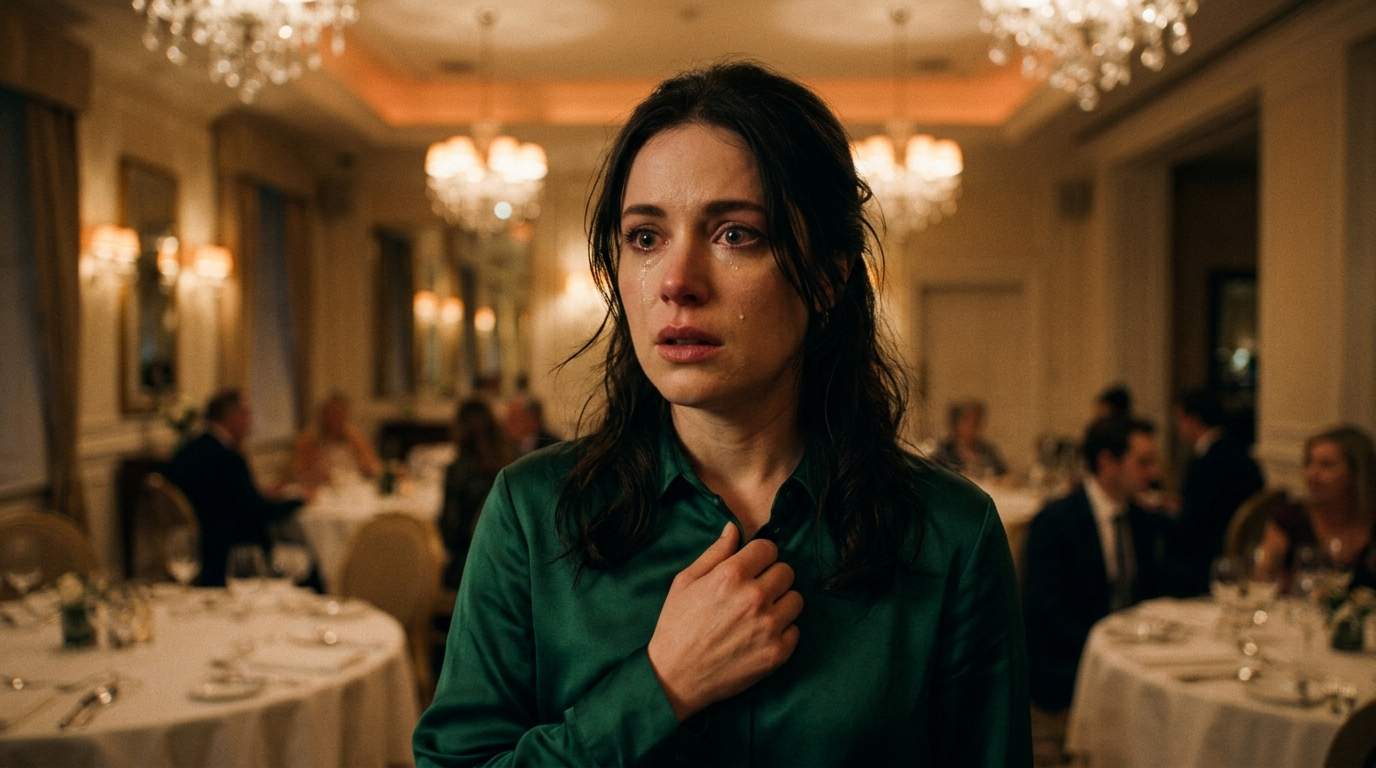
My entire lineage, my very name, felt like a meticulously crafted lie, a grand deception built on the pain and erasure of another.
My respected family, whose legacy I had always been proud of, was founded on a colossal act of betrayal and theft.
The manor, the very ground I stood on, felt tainted by this dark, buried truth.
How could I face my family, knowing the foundations of our "respectable" legacy were built on such cruel deceit?
My entire perception of identity, of family, of belonging, had crumbled into dust, just like the forgotten items in that room.
The weight of this knowledge is a suffocating blanket, pressing down on every waking moment.
I look at old family portraits now, and all I see are strangers, actors in a play I never understood.
The irreversible consequence is not just a secret revealed; it's the shattering of my entire world view.
I am now the keeper of this devastating truth, burdened by a history that wasn't supposed to be mine.
Every brick of Blackwood Manor now screams a silent story of injustice.
And I am standing in the rubble of my own shattered reality, wondering where to go from here.