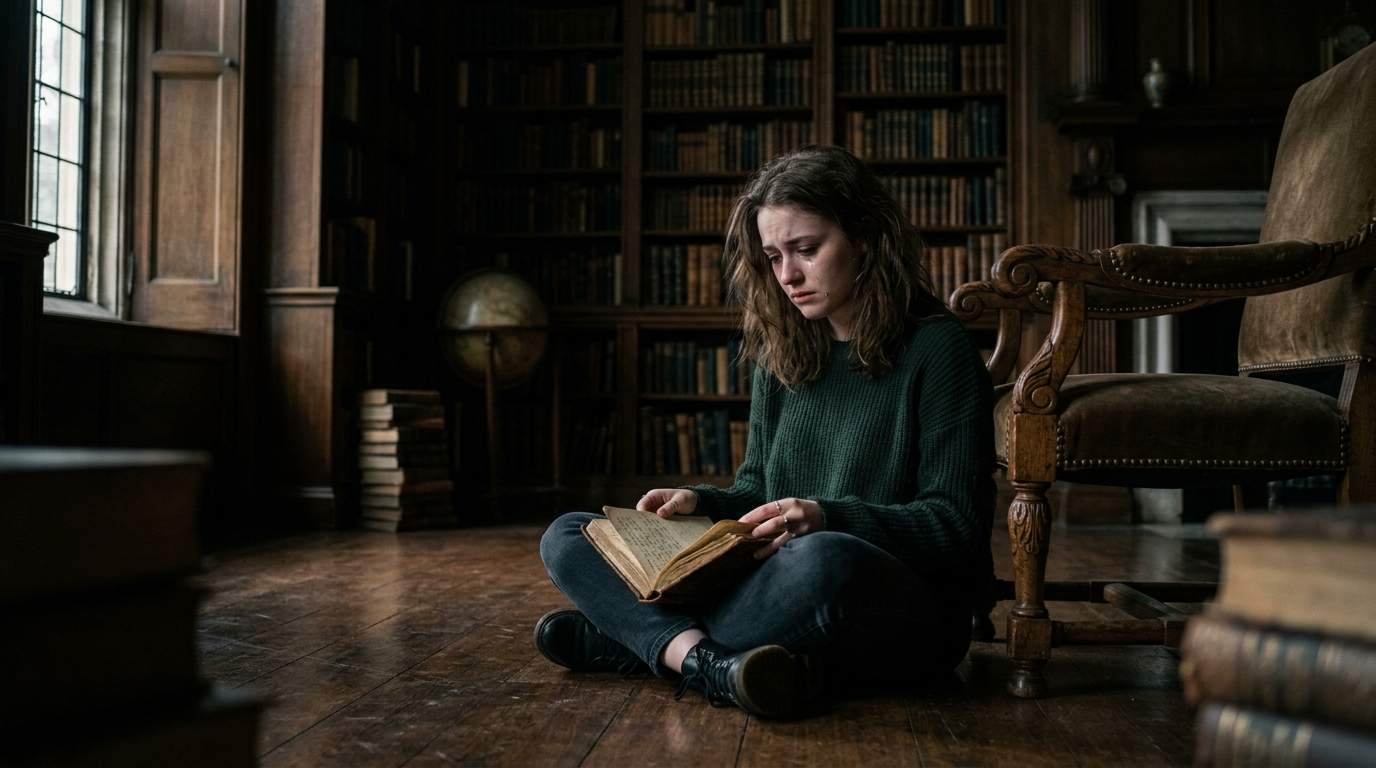
The silence of the old Hawthorne Manor was always a heavy blanket, but today it felt like a shroud.
Grandmother Eleanor had been gone three months now, and the task of clearing her estate fell to me, Sarah.
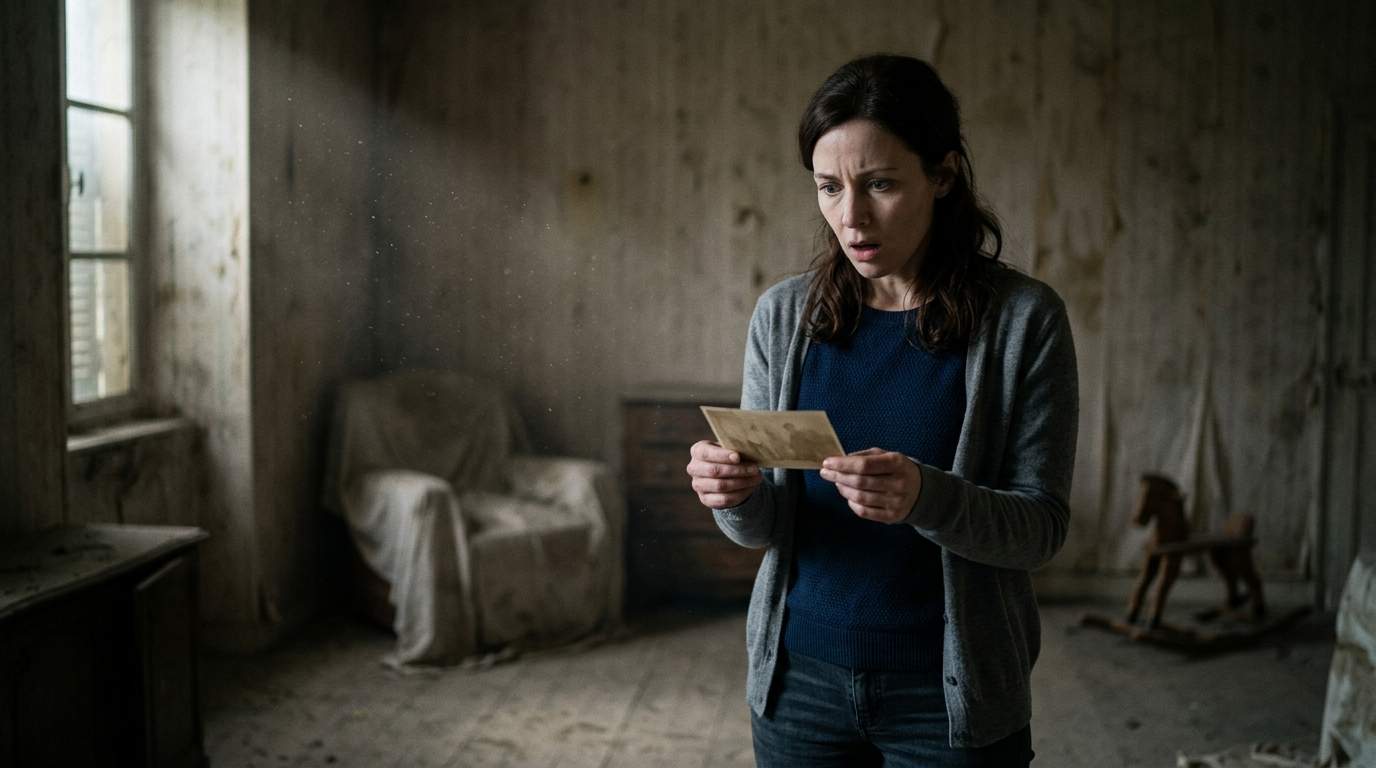
Every dusty antique, every faded photograph whispered stories I thought I knew.
But the truth, it turned out, was far more insidious than any ghost story.
I was in her private study, a room she’d always kept locked, filled with the scent of old paper and dried lavender.
A small, ornate desk sat against the far wall, its drawers stiff from disuse.
My fingers traced the polished mahogany, feeling the grain of a century of lives lived within these walls.
I pulled open the top drawer, finding only neatly stacked correspondence and dried-up fountain pens.
The second drawer slid out with a creak, revealing more of the same, mundane objects.
Then, my hand brushed against something loose underneath the felt lining.
A faint click echoed in the quiet room as I pressed down, and a false bottom sprang up slightly.
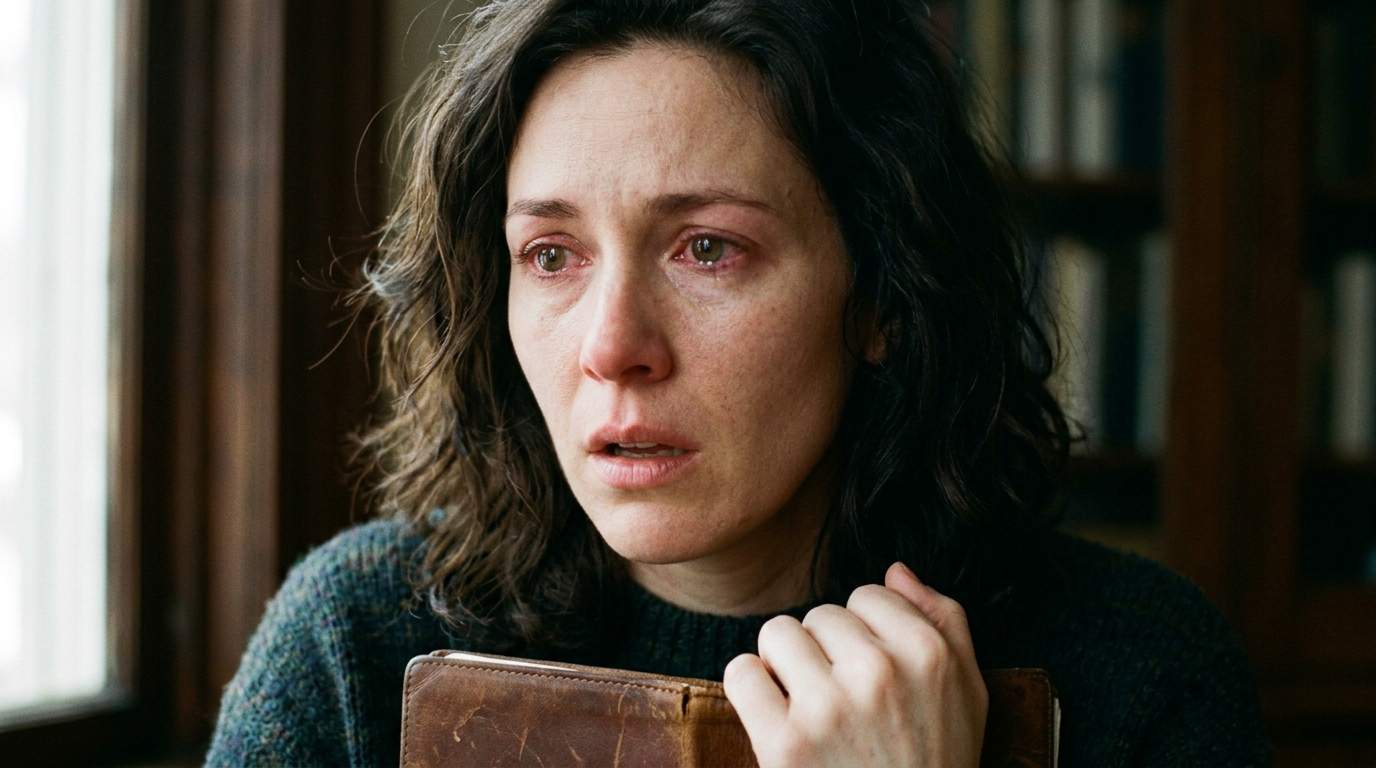
Nestled within was a small, leather-bound journal, its cover worn smooth by time and touch.
No name adorned it, just a simple, intricate carving of a rose.
My heart hammered a strange rhythm against my ribs as I lifted it out.
It felt ancient, heavy with unspoken weight.
Opening the first page, the elegant, looping script was instantly recognizable: Grandmother Eleanor’s handwriting.
A wave of something akin to dread washed over me.
Grandmother was a pillar of our community, a woman of impeccable grace and unyielding moral fiber.
Or so I believed.
The first few entries were mundane, chronicling daily life, but then the tone shifted.
There was a yearning, a loneliness I had never associated with her.
Then came a name I didn’t recognize, a man’s name, written with a tenderness that caught me off guard.
My eyes scanned faster, greedily devouring the words as they painted a picture of clandestine meetings.
A secret affair.
My breath hitched in my throat; this couldn’t be my grandmother.
Not the woman who preached fidelity and tradition with such unwavering conviction.
The entries grew more desperate, hinting at a secret life lived in the shadows of her public persona.
She wrote of a profound love, a forbidden love that burned brighter than any flame.
And then, the entry that ripped through the very fabric of my understanding of our family.
Advertisement
It spoke of a child.
Not my mother, but another, earlier child.
A daughter.
Born out of wedlock, given away to protect the family name, to secure her marriage to my grandfather, to protect the mansion’s legacy.
My grandmother, the stoic matriarch, had birthed a child in secret and then banished her from our lives.
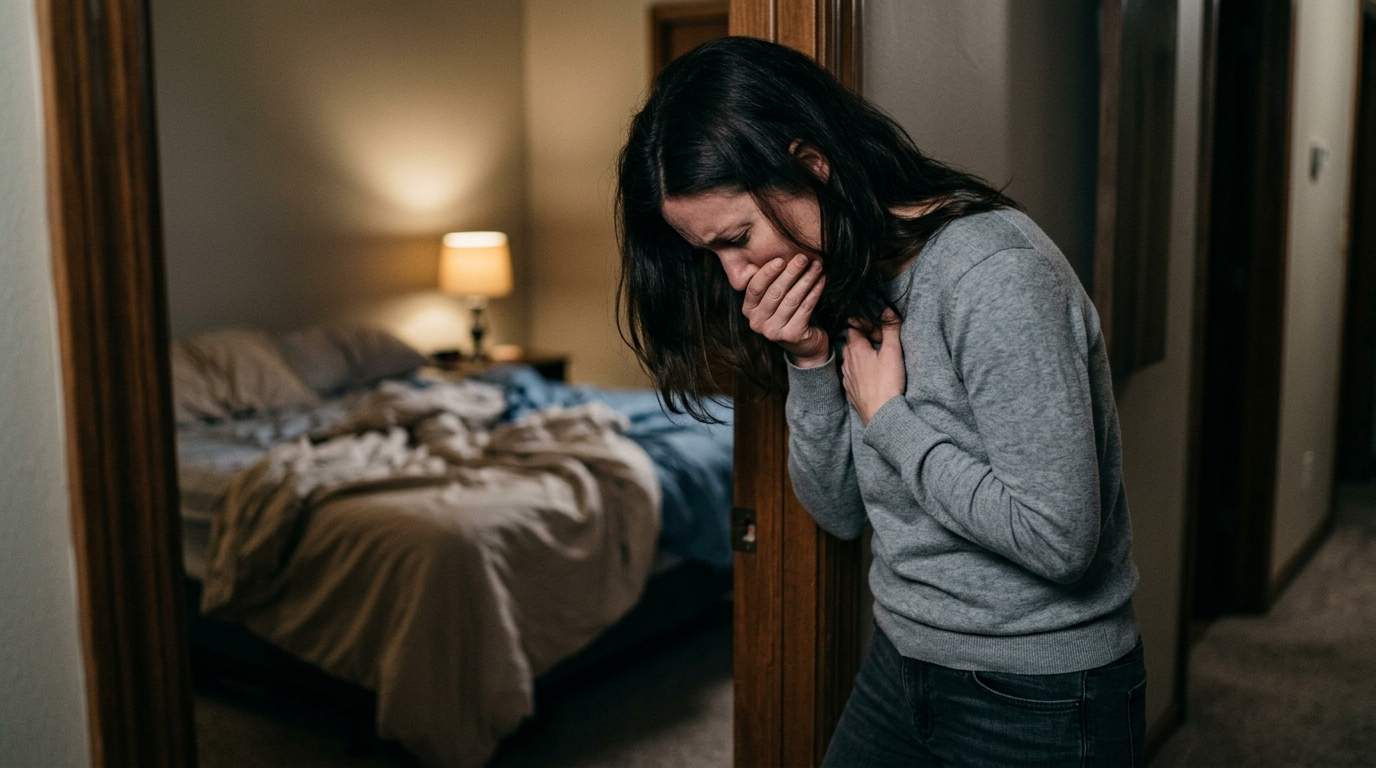
The words blurred as my vision swam, a cold sweat breaking out on my forehead.
“A sacrifice,” she called it, “for the good of the family.”
A sacrifice that meant a human being, a sister to my mother, a potential aunt to me, was erased from existence.
The journal detailed the agony of the separation, the guilt, but always ended with the chilling justification of maintaining appearances.
She even chronicled the meticulous steps taken to ensure this secret never saw the light of day.
This explained why her parents, my great-grandparents, had been so insistent on her marriage to Grandfather, a man of considerable wealth and standing.
It wasn't just a good match; it was a desperate cover-up.
The Hawthorne Manor, a symbol of our family’s enduring strength and heritage, was built on a foundation of betrayal and silence.
Every family portrait, every heirloom, every story of my grandmother’s impeccable past felt tainted.
My grandfather, whom I adored, must have known, or perhaps he was a willing participant in this grand deception.
The weight of this revelation pressed down on me, heavy and suffocating.
My grandmother’s life, once a beacon of integrity, was now a carefully constructed facade.
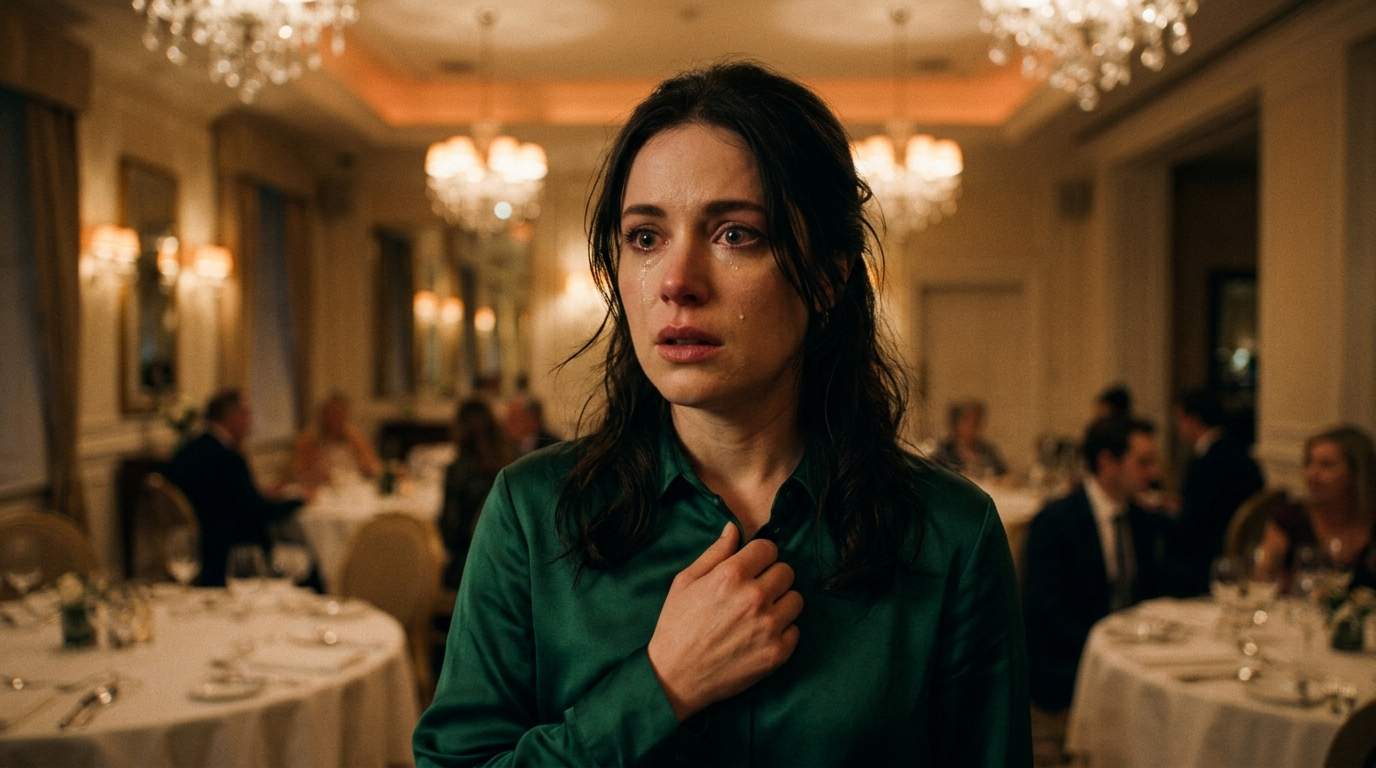
I felt a profound, aching betrayal, not just for the unknown daughter, but for myself.
My entire identity, my understanding of my lineage, was a lie.
The mansion, which once held cherished memories, now felt like a mausoleum for buried truths.
I thought I was merely clearing out a house; instead, I uncovered a crime against love and family.
The repercussions of this secret stretched across decades, impacting lives I never knew existed.
It wasn't just a hidden journal; it was a hidden family, a stolen life, and a shattered legacy.
The silence in the study no longer felt like a blanket, but a scream echoing from the past.
What do you do when the person you admired most becomes a stranger, a villain in her own story?
What do you do when the very ground beneath your family tree turns out to be quicksand?
My hands trembled, clutching the journal like a lifeline, or perhaps a death sentence.
The life I knew had just been irrevocably, profoundly changed.