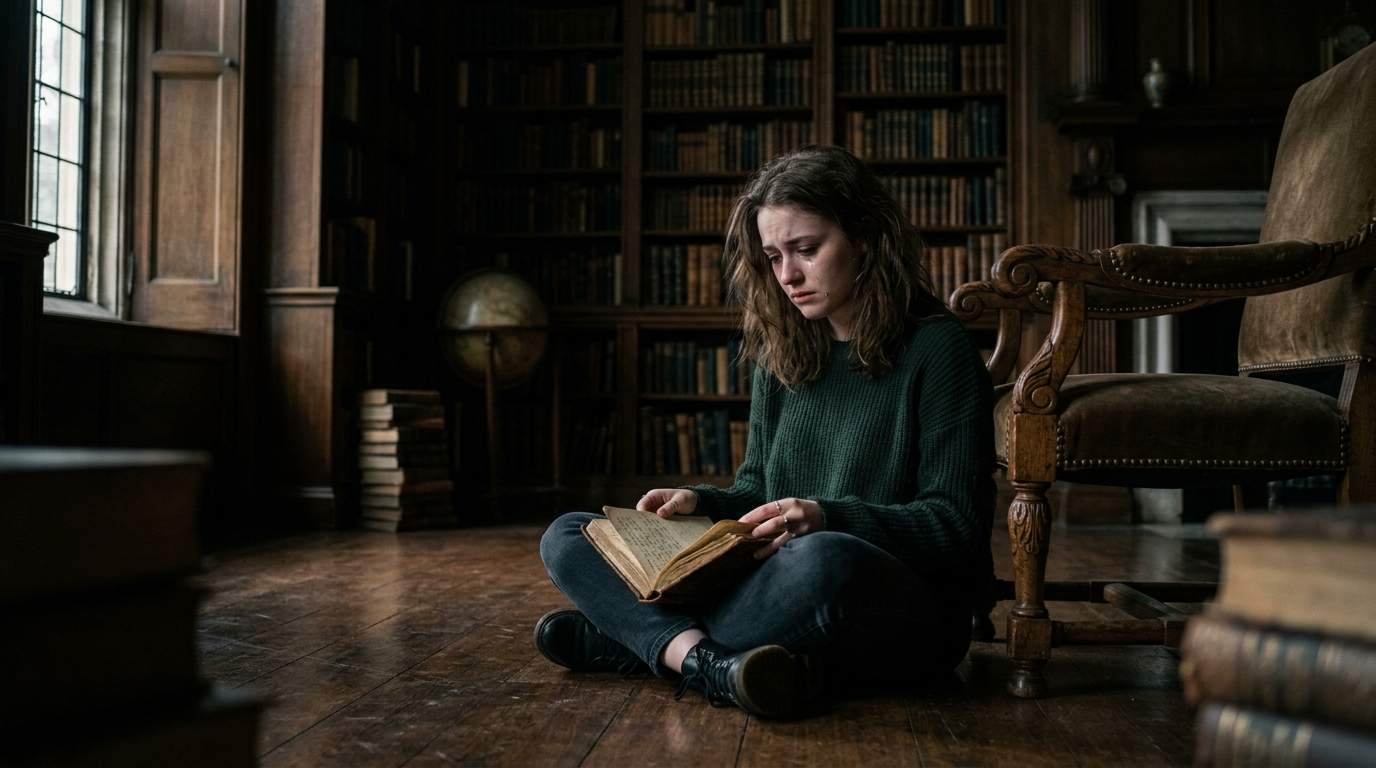
My Aunt Margaret’s mansion always felt like a place holding its breath.
It was a grand old house on the outskirts of town, sprawling and quiet.
Everyone in our family knew Margaret was eccentric, a bit of a recluse since her husband passed decades ago.
She was the matriarch, the one with the old money and the steely gaze.
I never thought much about her secrets, just accepted her as the formidable figure at family gatherings.
Then came the call that she was gone, peacefully in her sleep, aged 92.
The news hit our small family hard, not just because of her passing, but because of the vast estate she left behind.
The will reading was an event; everyone gathered, a mix of hushed mourning and thinly veiled anticipation.
My cousin, Eleanor, sat primly in the front row, expecting to inherit the bulk of it.
Eleanor had been Margaret’s constant companion in her later years, her assumed favorite, always running errands and managing her affairs.
I, Sarah, expected very little; a token, perhaps, a sentimental piece of jewelry.
I was there mostly to say goodbye to a woman who, despite her distance, had shaped much of my childhood memories.
The lawyer, Mr. Davies, cleared his throat, adjusting his spectacles.
He began reading, his voice dry and formal, detailing properties, investments, and charitable endowments.
Then came the shock: the mansion itself, with all its contents, was left to me.
Me, of all people, the quiet niece who rarely visited.
A collective gasp went through the room, Eleanor’s face turning a shade of sickly white.
There was a clause, a peculiar one: I had to live in the mansion for at least one year to fully claim it.
It felt less like a gift and more like a mysterious burden.
Moving in was unsettling; the house felt eerily quiet, filled with Margaret’s ghost.
Every antique piece of furniture, every framed portrait, whispered stories I didn't know.
I spent weeks just walking through the echoing rooms, trying to feel at home.
One rainy Tuesday afternoon, I was dusting in Margaret's old study, a room I’d mostly avoided because it felt so intensely hers.
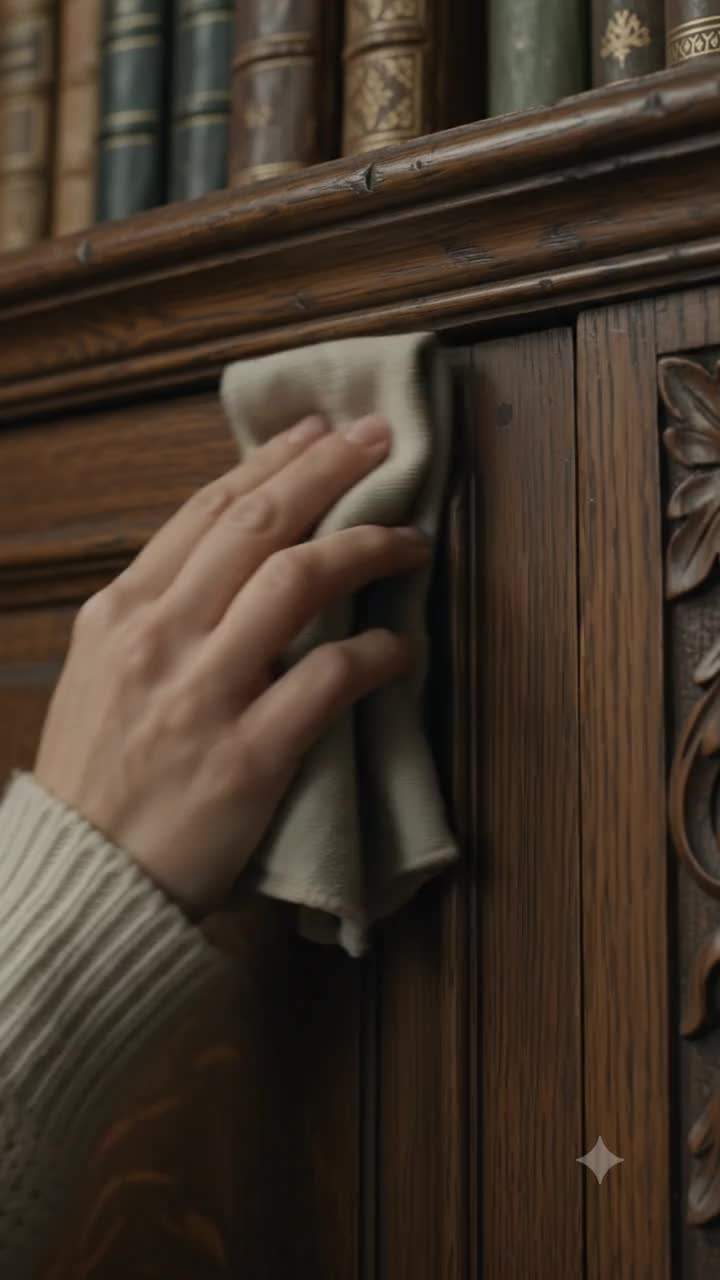
I ran my hand along a built-in bookshelf, filled with ancient, leather-bound tomes.
My fingers brushed against a panel that felt slightly loose, almost imperceptibly so.
Curiosity piqued, I pressed gently.
To my astonishment, a faint click echoed, and a section of the bookshelf slid inward, revealing a narrow, dark passage.
My heart pounded, a primal fear mixing with an undeniable urge to explore.
I grabbed a flashlight and stepped into the suffocating darkness, the air thick with dust and the smell of old paper.
Advertisement
The passage led to a small, windowless room, hidden deep within the mansion's core.
It wasn't a storage closet; this was a room designed to be lived in, or perhaps, to hide someone.
There was a tiny, worn bed frame, a child's faded, simple dress hanging on a peg, and a few hand-carved wooden toys scattered on the dusty floor.
In the corner sat a small, locked wooden chest.
My eyes landed on a leather-bound journal resting on a small, rickety nightstand.
It looked ancient, its pages brittle with age.
I searched frantically for a key, finally finding a tiny, ornate one hidden beneath a loose floorboard in this very room.
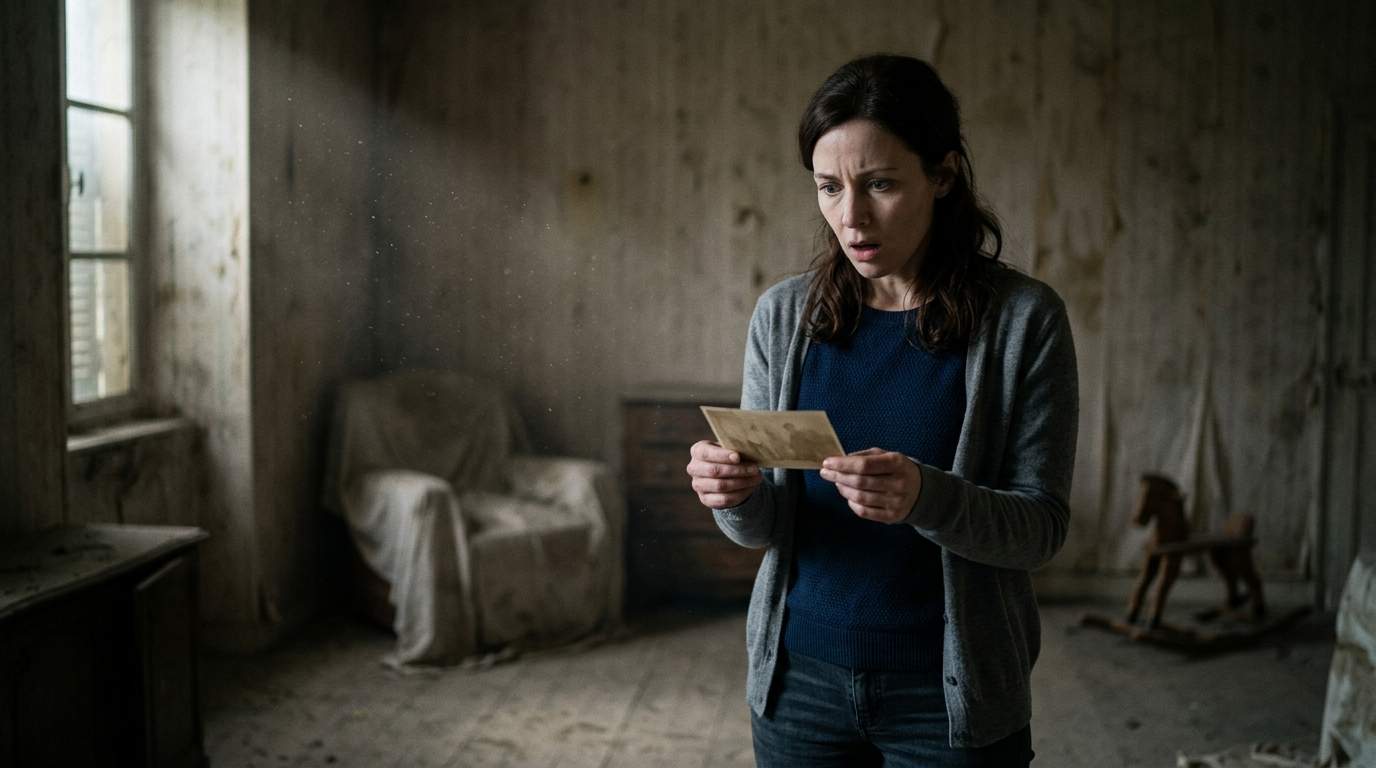
My hands trembled as I unlocked the chest, revealing stacks of yellowed letters and an old, blurry photograph.
But it was the journal that truly held the power.
I sat on the cold, dusty floor, the weak beam of my flashlight illuminating Margaret's elegant, sloping handwriting.
The first entries were mundane, but soon they shifted, detailing a clandestine affair Margaret had decades ago, long before her marriage.
Then came the entries about a secret pregnancy, a daughter she named Clara, hidden away to avoid scandal.
Clara, kept a secret from the world, raised in this very room, occasionally allowed into the main house under strict conditions.
The realization hit me like a physical blow: Eleanor wasn’t Margaret’s niece at all.
Eleanor was Margaret’s granddaughter.
Clara was Eleanor’s mother.
But the journal continued, each page unraveling a new layer of devastating truth.
Clara, Margaret’s hidden daughter, had met a man, Arthur, in secret.
They had married, and Clara had given birth to a son.
Margaret, consumed by grief after Clara died tragically young, and terrified the scandal would finally break, made an unthinkable decision.
She arranged for Clara’s infant son, her own great-grandson, to be adopted by a “close family friend” to bury the secret forever.
The journal named the adoptive parents.
It named Eleanor’s parents.
Eleanor’s brother, the one she grew up with, the one she believed was her full sibling, was in fact Margaret's great-grandson.
He was Eleanor’s cousin by birth, adopted by her parents as a cover-up for Clara's secret life and death.
The entire family tree, the entire history I thought I knew, was a meticulously crafted lie.
Margaret, out of guilt and a desperate attempt to protect Eleanor from the truth she believed would ruin her, had effectively erased Clara’s son from the family legacy.
He was deliberately cut out of the will, his existence denied to maintain the facade.
The mansion, my inheritance, suddenly felt like a tomb of secrets, tainted by generations of deception and heartbreak.
Eleanor, who believed herself Margaret’s favorite niece, was actually her granddaughter, unknowingly living a life built on her own mother’s erasure.
Her "brother" was not her brother at all.
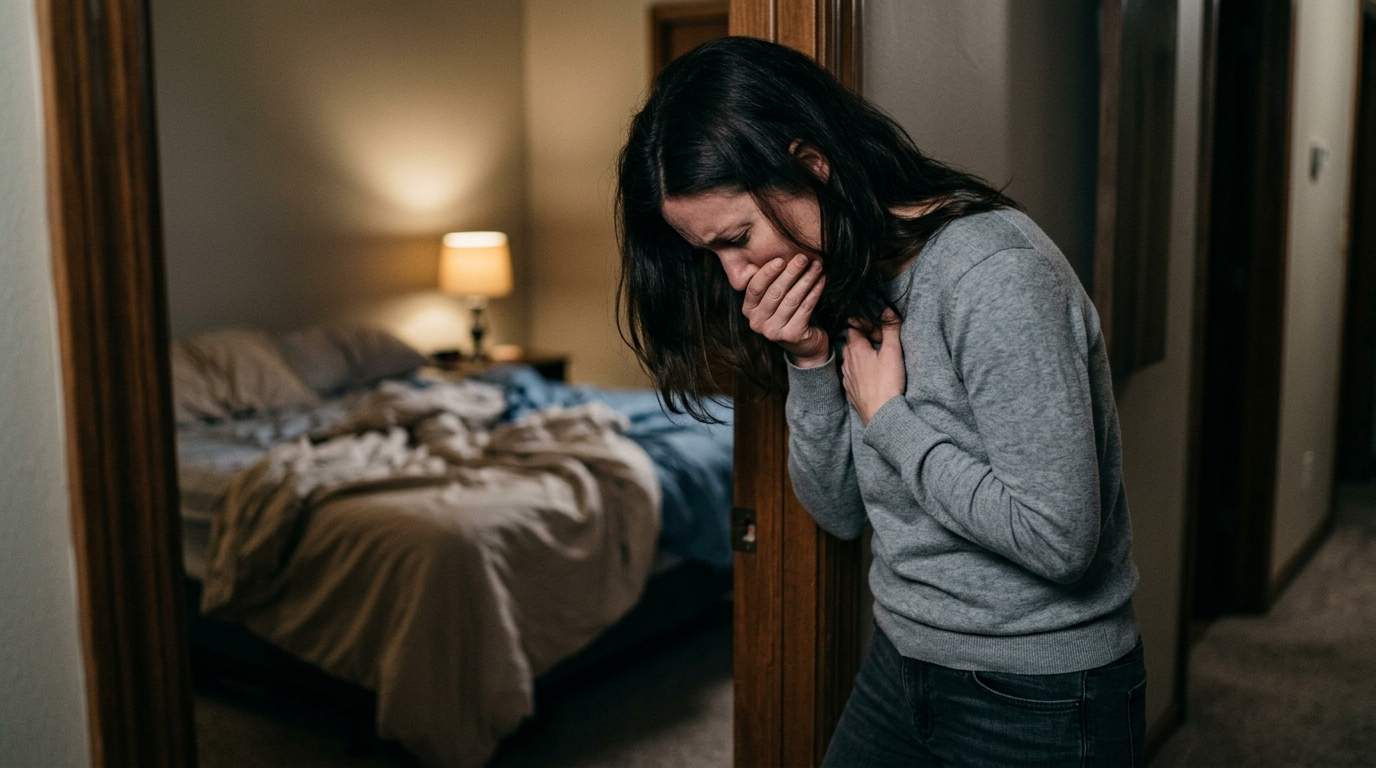
The injustice, the sheer emotional weight of it all, was crushing.
I sat there, paralyzed, holding a journal that contained the absolute, brutal truth about my family.
A truth that would undoubtedly shatter everyone.
What do I do with this kind of truth?
How do I tell Eleanor that her entire life has been a lie?
Can I ever look at my family the same way again?
The consequences of this discovery stretched out before me, vast and irreversible.
The silence of the mansion suddenly felt unbearable.