My great-aunt Eleanor left me everything, including the sprawling, gothic mansion on the hill.
I barely knew her, but the thought of inheriting such a magnificent estate felt like winning the lottery of life.
This was my chance for a fresh start, far from the city chaos and past heartbreaks.
The moment I stepped inside, the house enveloped me in its cool, silent embrace.
It was grand, with towering ceilings and intricate woodwork, yet a palpable sense of age hung in the air.
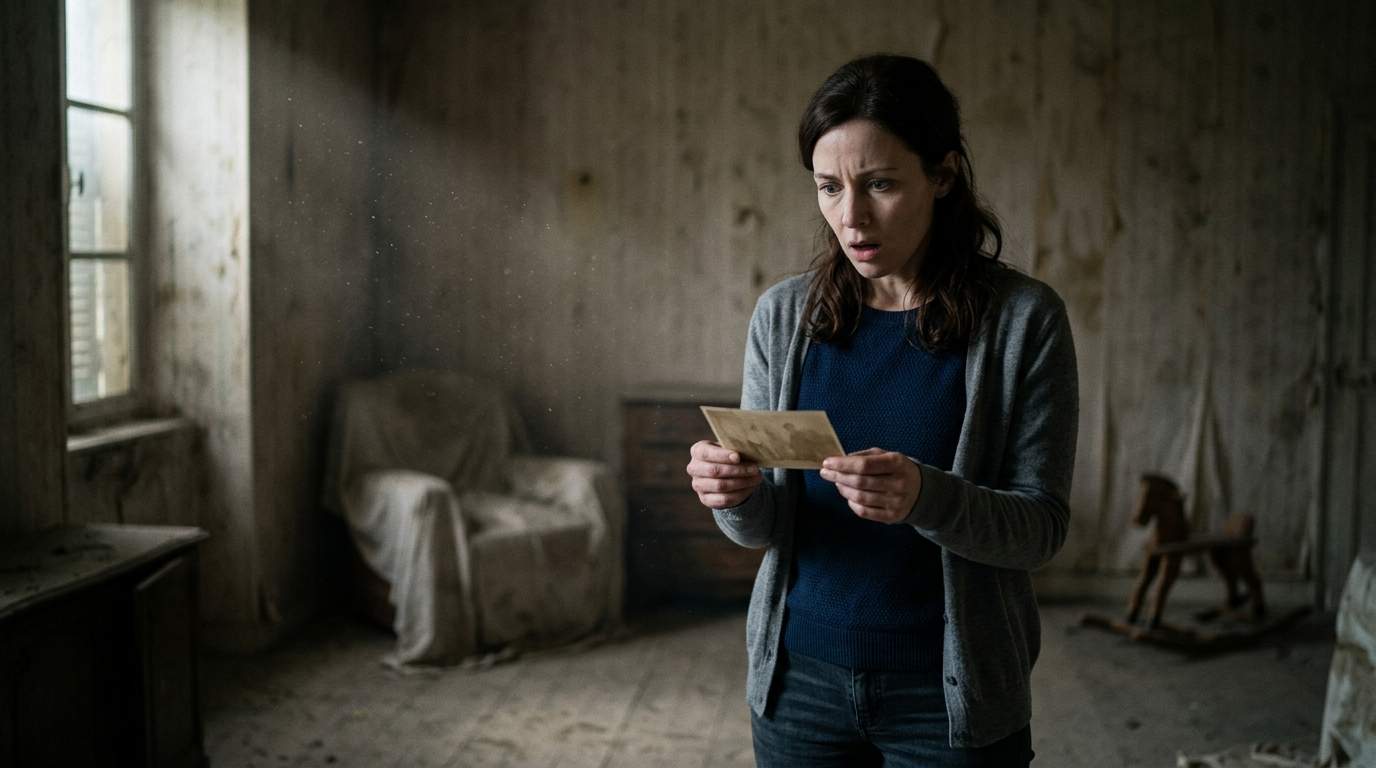
Dust motes danced in the sparse sunlight that pierced the stained-glass windows.
Weeks turned into months as I slowly made the mansion my home, uncovering its forgotten corners.
I found hidden alcoves, dusty libraries, and servants' passages that wound like veins through the structure.
Each discovery was a thrill, a new piece of the mansion's vast puzzle.
Then, one rainy afternoon, while replacing a loose baseboard in the old nursery, my fingers snagged on something unusual.
It wasn't wood or plaster, but a small, cold metal box.
My heart quickened with a mixture of excitement and trepidation.
Inside, nestled among layers of yellowed silk, lay a leather-bound diary and a stack of brittle letters.
They were written in elegant, looping script, dating back to the early 1900s.
The diary belonged to a woman named Clara, a name I didn't recognize in my family tree.
Her entries began innocently enough, describing daily life in the mansion, the servants, the lavish parties.
But a subtle shift began to occur, a growing undercurrent of fear and desperation.
She wrote of whispers in the walls, shadows that moved when no one was there, and a chilling sense of being watched.
I devoured every word, feeling an increasing sense of dread creep up my spine.
Clara alluded to a "family secret" that was "too dark for the light of day."
She spoke of her love for a stable hand, a love forbidden by her aristocratic family.
Then, the entries abruptly stopped, mid-sentence, on a page dated exactly 100 years ago.
The last words were a frantic plea for help, a desperate cry against "the others."
My hands trembled as I carefully unfolded the accompanying letters.
They were from Clara's parents, addressed to their solicitor, expressing concern over their "errant daughter."
But one letter, unsigned and undated, was tucked deep inside the others.
Its contents sent a cold shock through my entire body.
It detailed a plan, coldly and meticulously, to "remove" Clara from the family, to "silence her indiscretions."
The wording was euphemistic, yet the underlying meaning was horrifyingly clear: Clara was to disappear.
Advertisement
I felt a profound chill, a violation of the sanctity of my ancestors, of my own lineage.
This wasn't a historical drama; this was a blueprint for murder.
I spent days poring over local archives, searching for any record of Clara's existence, her disappearance.
There was nothing, as if she had been meticulously erased from history.
The mansion, once a dream, now felt like a mausoleum, every creak and groan a ghostly whisper.
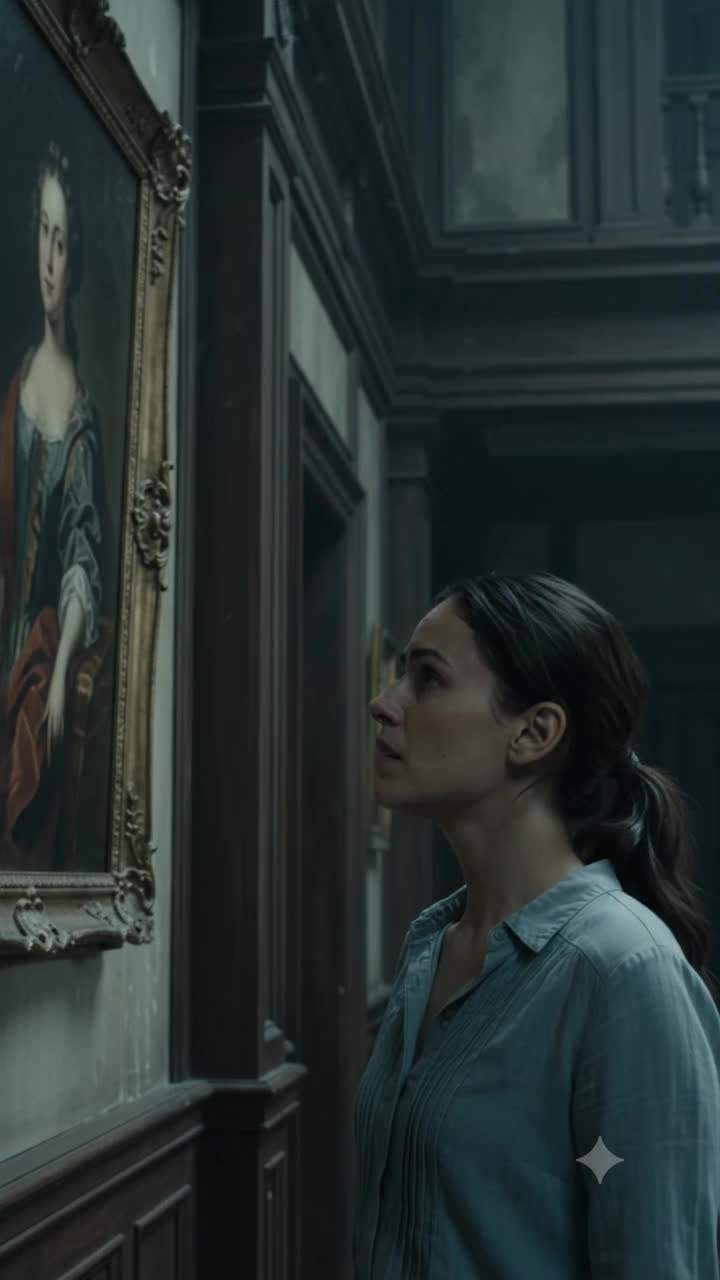
I started seeing the family portraits differently, their painted smiles now seemed mocking, their eyes full of secrets.
My great-aunt Eleanor, a woman I had barely known, began to appear in a new, sinister light.
Could she have known? Or even been involved?
Driven by an agonizing need for truth, I began to search the house with a new intensity, a dark purpose.
I remembered Clara's diary entry about "the whispers in the walls," and a specific, drafty section of the basement.
It was a forgotten wine cellar, bricked off, inaccessible for decades.
With a sledgehammer borrowed from the garden shed, I began to chip away at the mortar.
Each swing was a visceral act, dismantling not just bricks, but generations of silence.
The dust filled my lungs, and the silence of the mansion seemed to press in around me.
Finally, a section of the wall gave way, crumbling inwards with a sickening crash.
Behind it, the air was stagnant, cold, and heavy with the scent of decay.
My flashlight beam cut through the darkness, illuminating a small, hidden room.
And there, in a makeshift coffin, lay what remained of Clara.
Her bones were intertwined with the remains of simple, faded clothes.
Next to her, a single, tarnished silver locket, the same one described in her diary.
The realization hit me like a physical blow, stealing my breath and buckling my knees.
My ancestors, the esteemed family whose legacy I had just inherited, were murderers.
They had silenced a young woman for the "crime" of loving outside her station.
This wasn't just history; it was a horrific, generational lie, buried beneath my very feet.
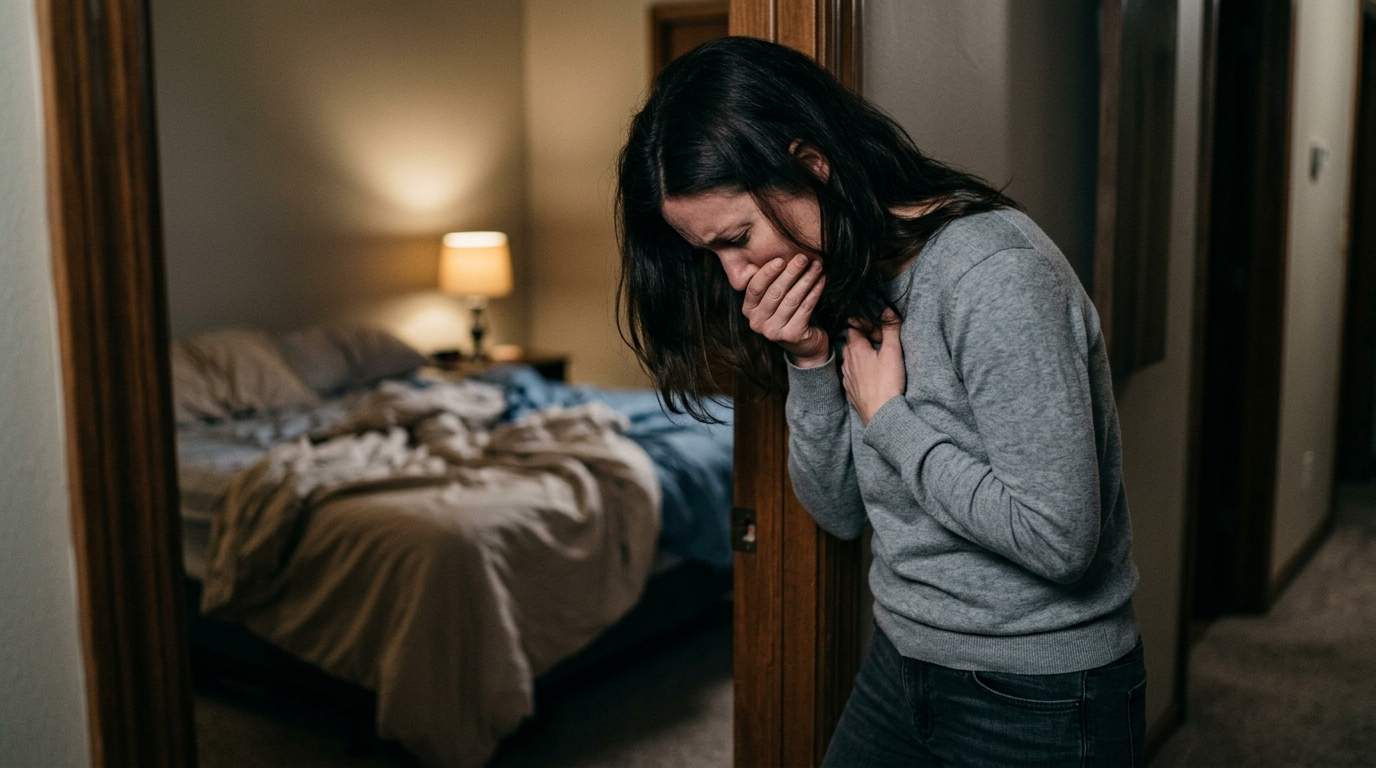
My stomach churned, a wave of nausea washing over me as I scrambled backwards, away from the grim discovery.
The mansion, my beautiful new home, now felt like a prison built on a grave.
Everything I thought I knew about my family, about myself, shattered into a million pieces.
The weight of their secret, their crime, suddenly became my burden.