Walking through Grandma’s old mansion for the last time felt like ghost hunting my own past.
Every creaking floorboard echoed with memories, bittersweet and heavy.
The house, a silent sentinel of our family’s history, was finally being sold off.
I had come back one last time to say goodbye, to soak in its fading grandeur before strangers moved in.
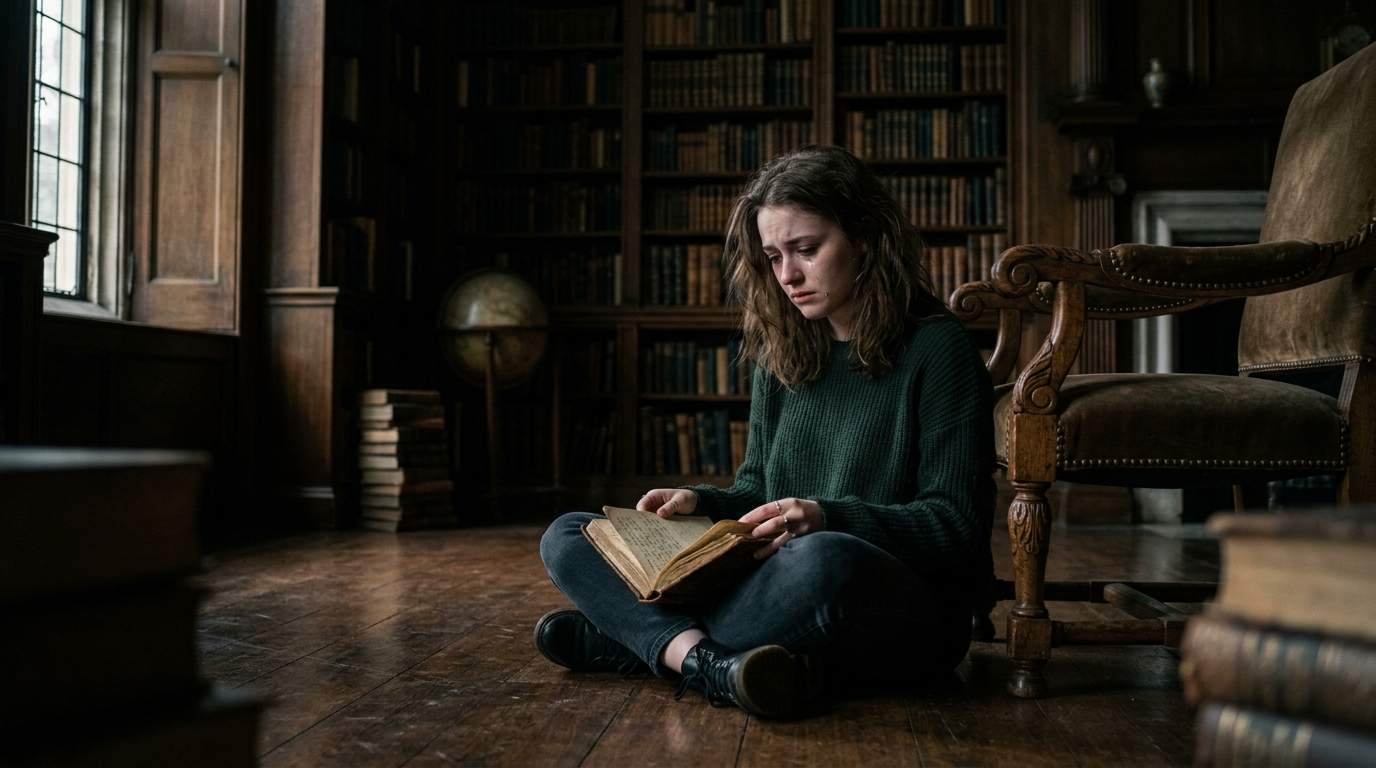
I always felt drawn to the study, a room filled with dusty tomes and a strange, almost oppressive quiet.
It was here, amidst the scent of aged paper and forgotten dreams, that I found myself lingering.
My fingers traced the spine of an antique book on a built-in shelf, half-hidden by a heavy drape.
Something felt off; the book shifted, not like a loose binding, but with a subtle give against the wall.
Curiosity, a dangerous companion, urged me to investigate further.
I pushed, gently at first, then with more conviction, against the section of the bookshelf.
With a soft click and a faint grinding sound, a section of the wall receded inward.
My heart hammered against my ribs as a narrow, dark opening appeared, barely wide enough for me to squeeze through.
A musty, stale air wafted out, smelling of forgotten secrets and undisturbed time.
Torchlight from my phone cut through the oppressive darkness, revealing a small, hidden room I never knew existed.
It was sparse, eerily quiet, containing only a small, elegant writing desk, a locked wooden chest, and a single, faded portrait of a stern-faced man I didn’t recognize.
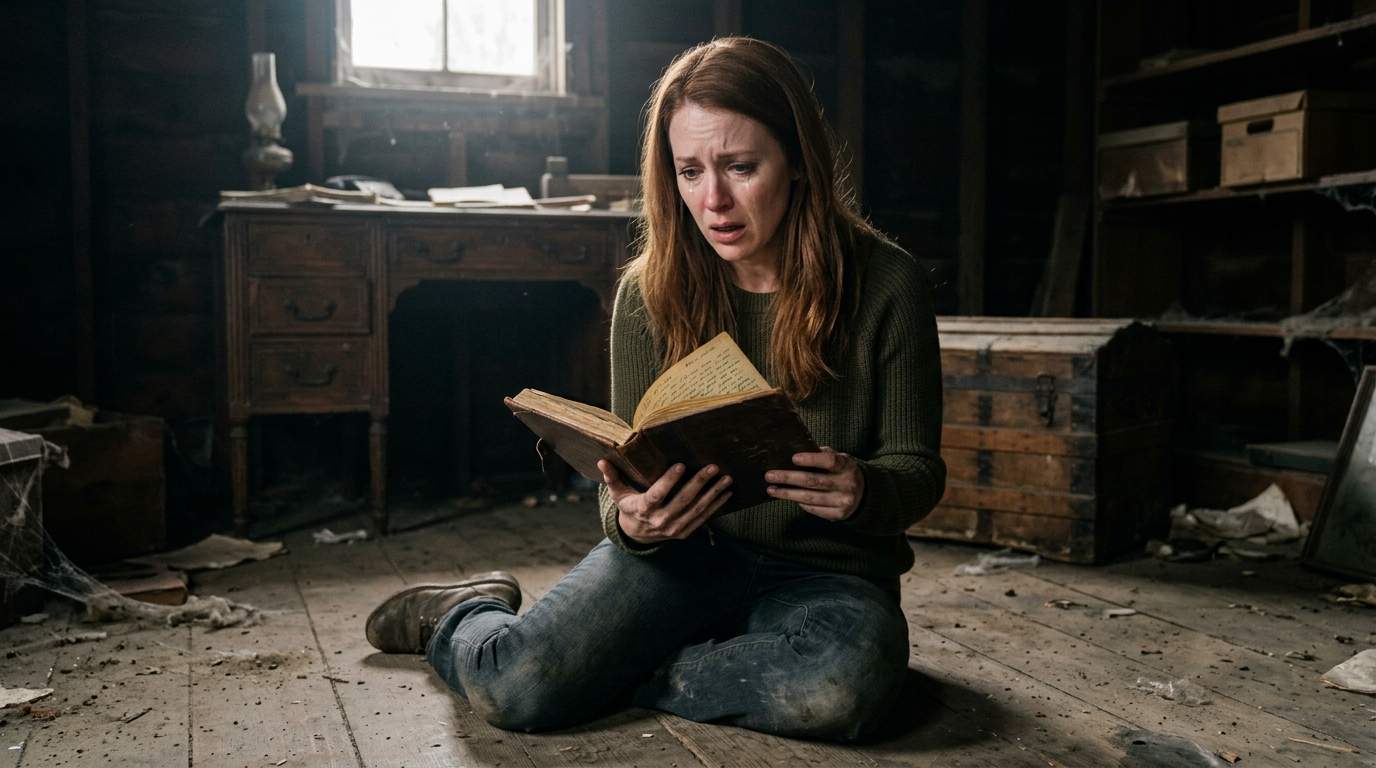
My gaze settled on the desk, its surface layered with a fine coat of dust.
I ran my hand across it, feeling the texture of forgotten wood.
Tucked away in a secret compartment beneath the desktop, I found a stack of yellowed letters and a leather-bound diary.
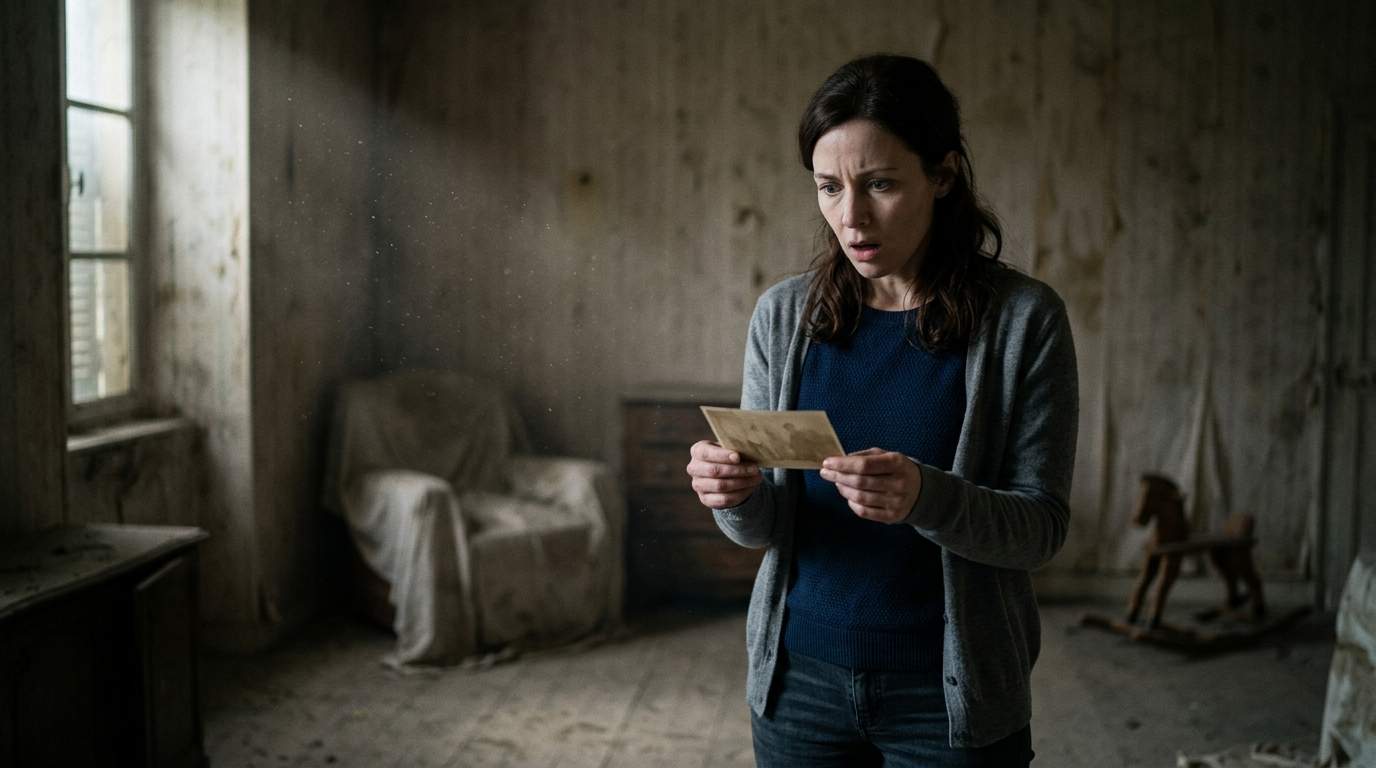
My hands trembled as I carefully opened the fragile pages of the diary.
The handwriting was unmistakably my grandmother’s, elegant and precise, yet filled with a chillingly cold tone.
She wrote about "the plan," about "their rightful share" and "the fool who wouldn't see sense."
Each word was a hammer blow to the image I held of her, a pillar of kindness and integrity.
The letters, exchanged between my grandmother and my grandfather, detailed a meticulously orchestrated scheme.
It was a cold, calculated plot to defraud a distant, unsuspecting branch of our family.
They manipulated legal documents, forged signatures, and spread false rumors, all to seize a vast inheritance that rightfully belonged to others.
The money, I read with growing horror, funded the very foundations of this grand mansion, the expansion of their business, and the launch of our family’s enduring legacy.
It wasn’t just a simple mistake or a youthful indiscretion; it was a decades-long deception.
My grandfather, who I revered as a beacon of honesty, was an active accomplice, helping to bury the truth and silence anyone who came too close.
He wrote about his fear of exposure, his willingness to do "whatever it takes" to protect their new wealth and status.
Advertisement
The worst part was realizing how deeply this lie permeated everything.
My own parents, in their ignorance or complicity, had built their lives on this stolen foundation.
The comfortable life I had always known, the privilege I took for granted, was born from a monstrous betrayal.
My entire perception of family, history, and truth shattered into a thousand irreparable pieces in that tiny, hidden room.
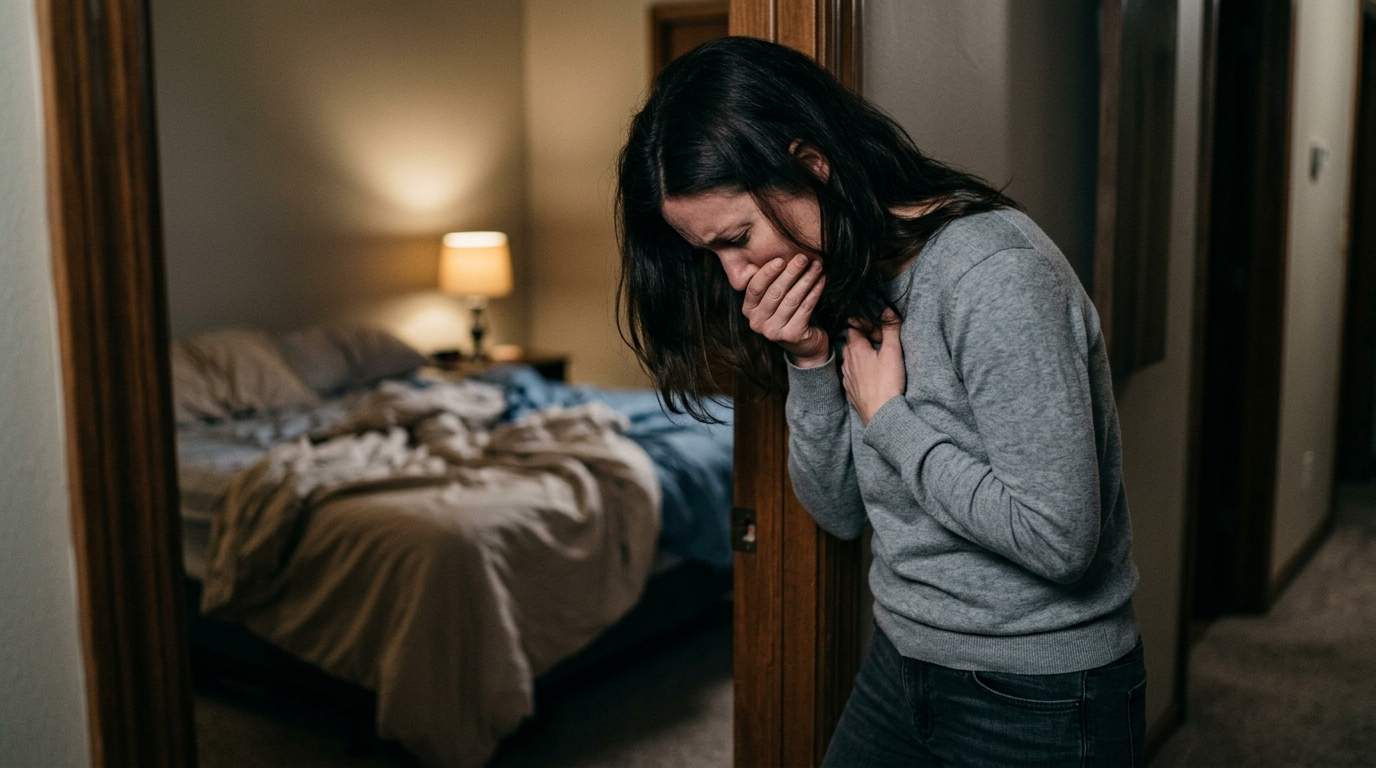
The air felt thin, suffocating, as if the walls themselves were pressing down on me, whispering their dark secrets.
I clutched the diary, its weight suddenly feeling like a crushing burden, a testament to a truth too terrible to bear.
How could the people I loved most, the people who raised me, be connected to such a profound, systemic lie?
The betrayal wasn't just against a distant relative; it felt like a betrayal of my very identity.
Everything I believed, everything I thought I knew about who we were, evaporated in an instant.
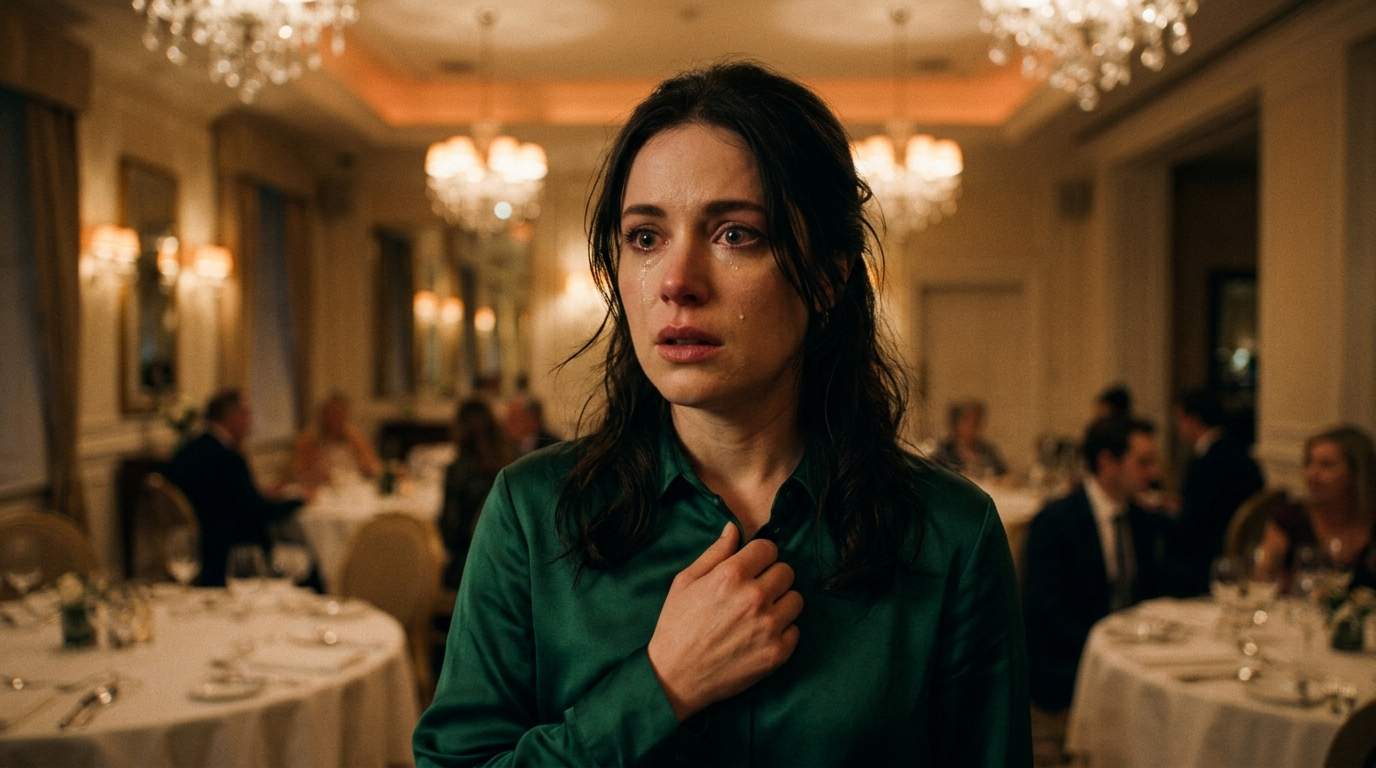
I stood there, paralyzed by the enormity of the discovery, tears silently tracing paths through the dust on my cheeks.
The mansion, once a symbol of comfort and belonging, now felt like a mausoleum of lies.
Its grandeur, its history, its very existence, screamed of a crime hidden in plain sight.
The legacy was tainted, irrevocably, unforgivably.
I looked at the portrait of the stern man again, realizing he was one of the victims, his eyes staring out from the past, holding a silent accusation.
The weight of this knowledge pressed down, threatening to crush me.
My family, my world, was no longer what I thought it was.