It’s been almost a year since Grandma Rose passed, but her old mansion still feels like a living, breathing enigma.
I always loved her, but she was a woman of quiet mysteries, tucked away in that sprawling, dust-filled house on the hill.
Sorting through her belongings was supposed to be a therapeutic journey down memory lane, a way to say goodbye properly.
Instead, it became an excavation of a life I never truly knew.
My mother kept telling me to donate everything, but I felt a pull, a strange obligation to understand the echoes in those grand, silent halls.
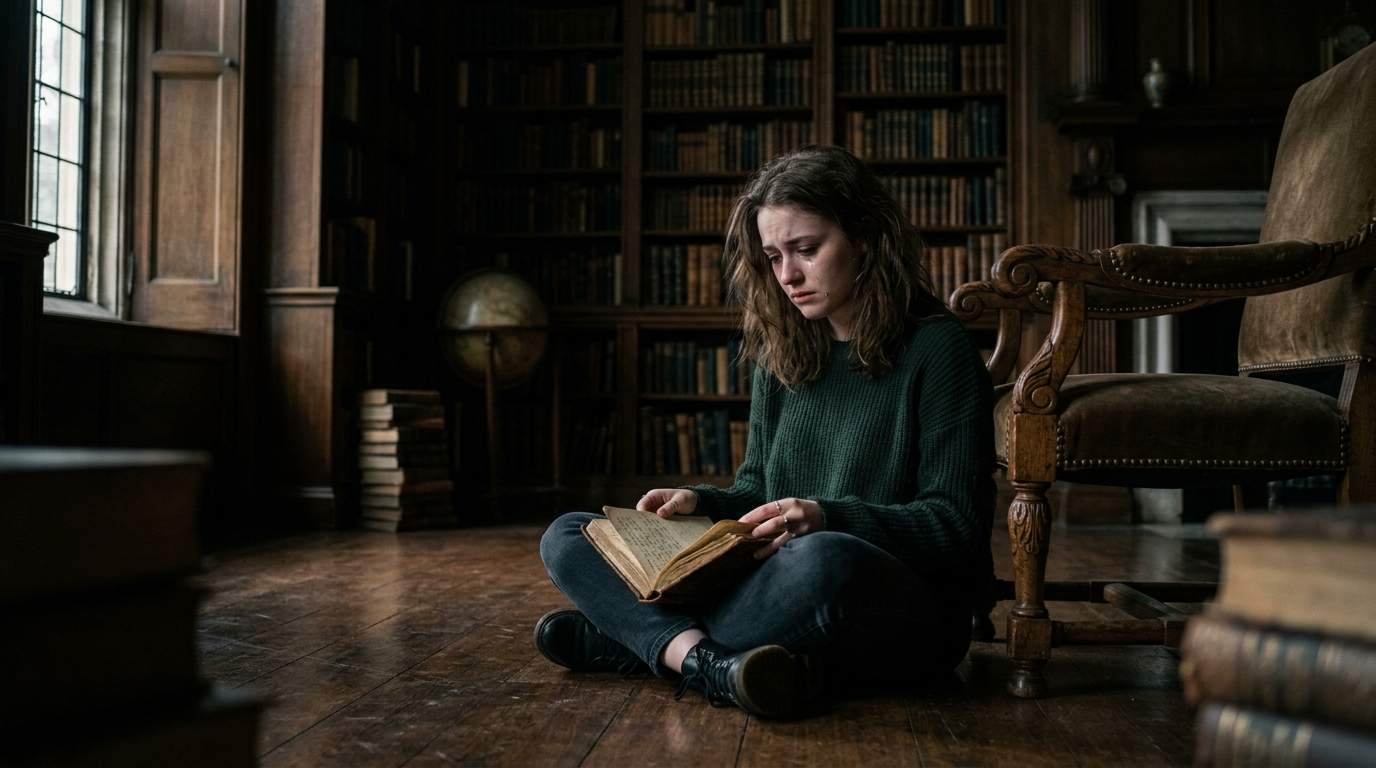
One afternoon, I found myself in Grandma’s study, a room she rarely used but kept meticulously clean, unlike the rest of the house.
It was lined with heavy oak bookshelves, crammed with leather-bound volumes nobody ever seemed to read.
I was dusting the top shelf, reaching for an old astronomy book, when my fingers brushed against something odd.
It wasn't wood, but a cold, smooth metal plate hidden behind a false panel.
A small, intricate latch, almost invisible, was perfectly disguised within the ornate carving.
My heart began to pound with a childish mix of fear and excitement.
This wasn't just a secret panel; it felt like a direct invitation, a whispered challenge from Grandma herself.
With trembling hands, I pressed the latch, and with a soft click, a section of the bookshelf swung inwards, revealing not a wall, but a dark, narrow opening.
The air that rushed out was stale, heavy with the scent of forgotten paper and time.
I fumbled for my phone’s flashlight, its beam cutting through the inky blackness.
It illuminated a cramped, windowless room, utterly untouched by sunlight for decades, maybe more.
This wasn't a storage closet; this was a sanctuary of secrets.
Against one wall, a sturdy old wooden trunk sat, scarred and worn, locked with a heavy brass padlock.
Beside it, a small writing desk, surprisingly neat, held a stack of yellowed envelopes and a single, leather-bound diary.
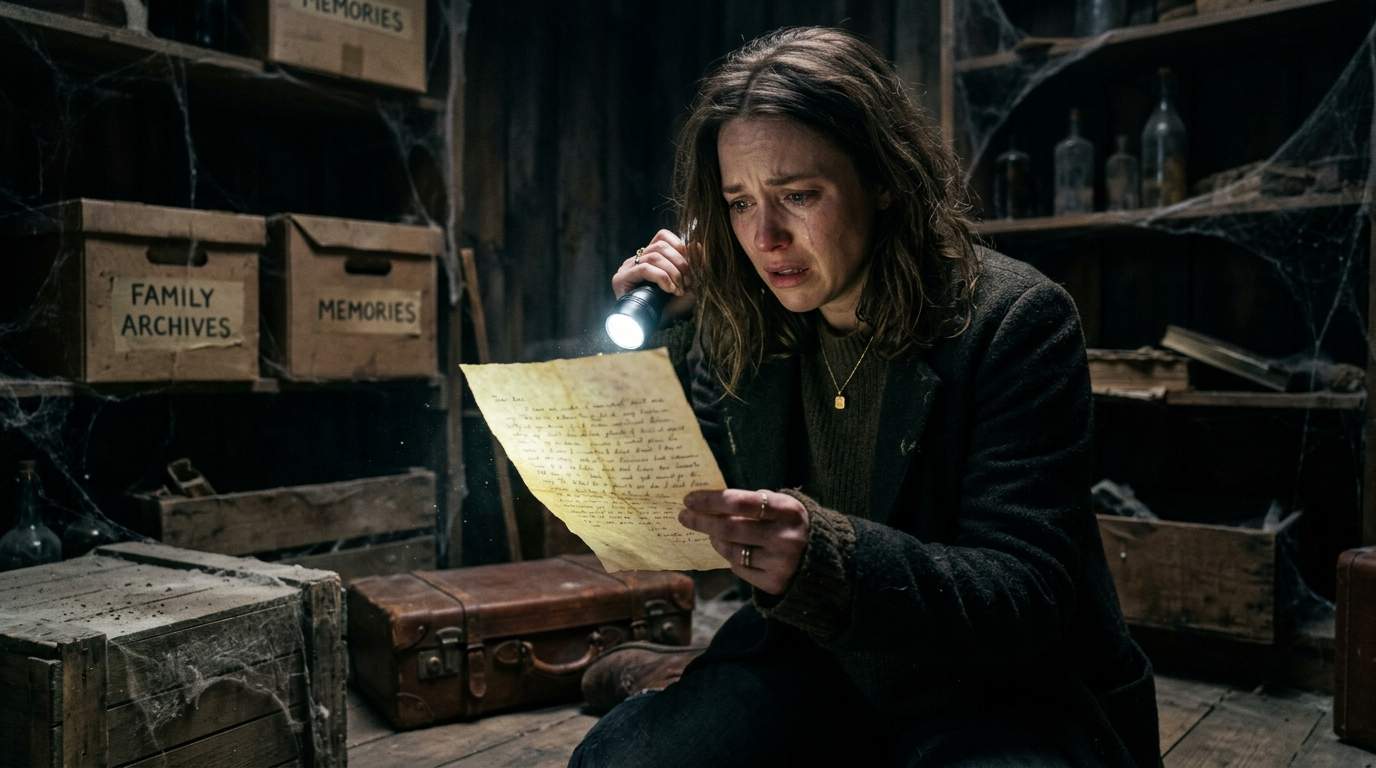
The silence in that hidden space was profound, almost sacred.
I felt like an intruder, yet an urgent sense of destiny guided my movements.
My hands shook as I picked up the diary, its pages brittle beneath my touch.
The first few entries were mundane, familiar anecdotes about Grandma Rose’s youth, charming and sweet.
But then the handwriting changed, subtly, almost imperceptibly, and the tone shifted.
It became darker, more urgent, laced with fear and desperation.
The dates started jumping, periods of months, even years, missing entirely.
And then, I found it, hidden beneath a false bottom in the trunk: a smaller, more recent journal, bound in dark green leather.
This one wasn't Grandma Rose’s elegant cursive.
It was a stark, almost frantic scrawl.
Advertisement
The first entry was dated just weeks before her passing.
It began, "I can't keep this secret any longer. My time is short."
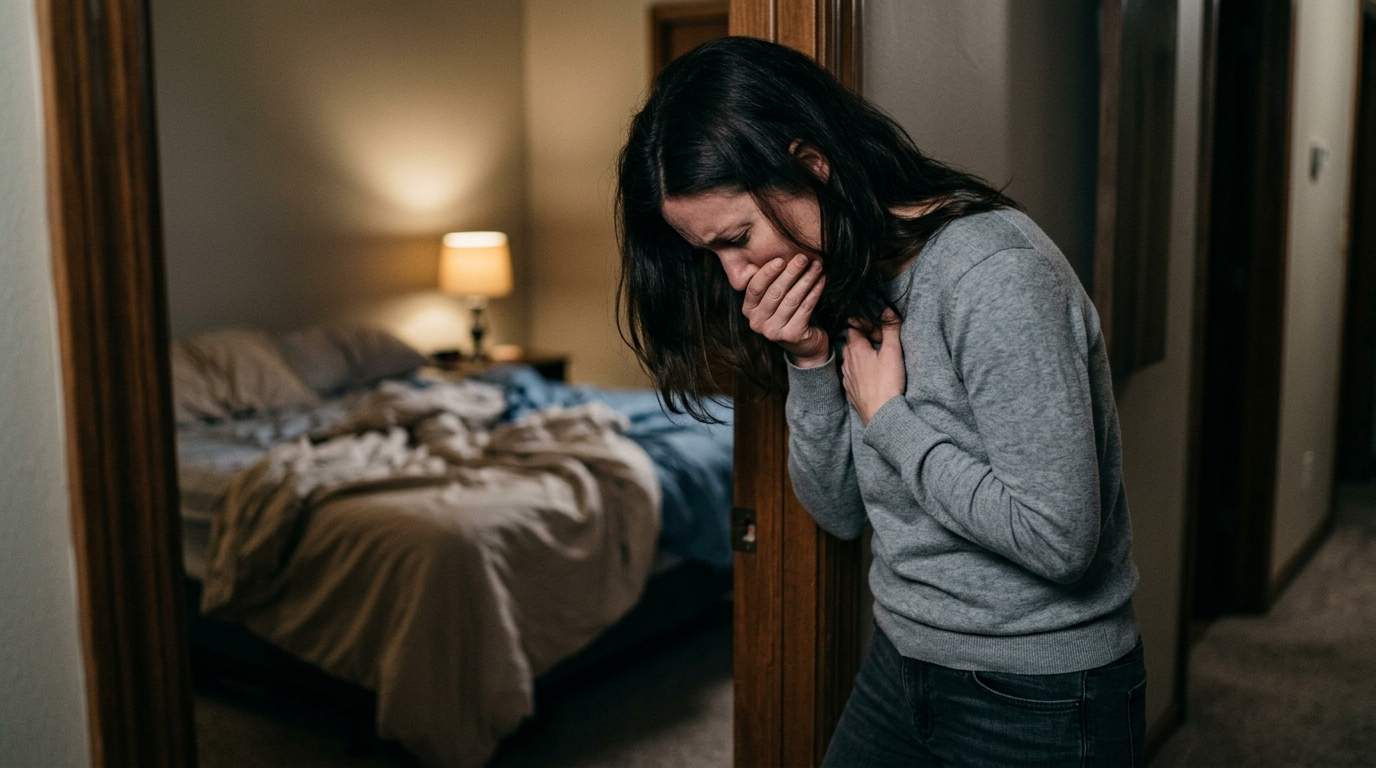
My breath hitched in my throat; a cold dread began to coil in my stomach.
She wrote about a different name, a different life, a stolen identity.
She wrote about a terrible accident decades ago, a case of mistaken identity after a fire, and an opportunity taken in a moment of despair.
The woman I knew as Grandma Rose was not, in fact, Grandma Rose.
The real Rose Caldwell, a prominent socialite from a wealthy, powerful family, had tragically died in that fire.
But her companion, a young, unknown woman, had survived, critically injured and disfigured.
That woman, my "Grandma," had found Rose’s identification, her diaries, and a desperate impulse led her to assume the identity of the woman she’d been traveling with.
She had built a new life, a new family, on a foundation of a dead woman's identity.
My entire family, my mother, my uncles, me—we were living a lie.
The person we loved, the stories we cherished, the very name of our lineage, was a carefully constructed facade.
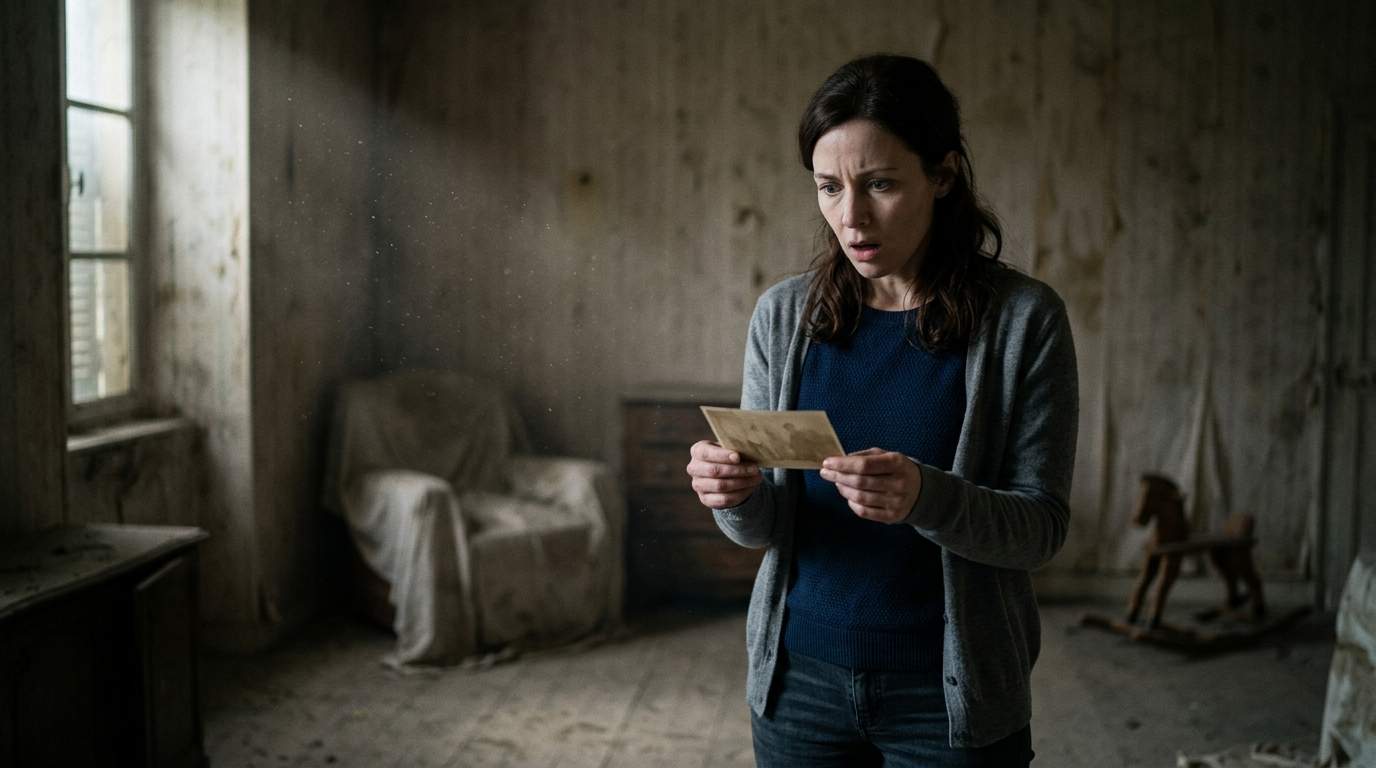
There were faded photographs in the trunk, too.
Images of the real Rose Caldwell, before the fire, standing beside the woman who would become my "Grandma."
The resemblance was chillingly faint, but the woman who became my "Grandma" had been a different person, with a different name, a different past.
There were letters, unsent, addressed to her own lost family, confessing her decision, pleading for forgiveness, but never mailed.
My mind reeled, trying to reconcile the loving, eccentric grandmother I adored with this stranger, this imposter.
The woman who had baked me cookies, told me bedtime stories, who had shaped so much of who I am, was a phantom.
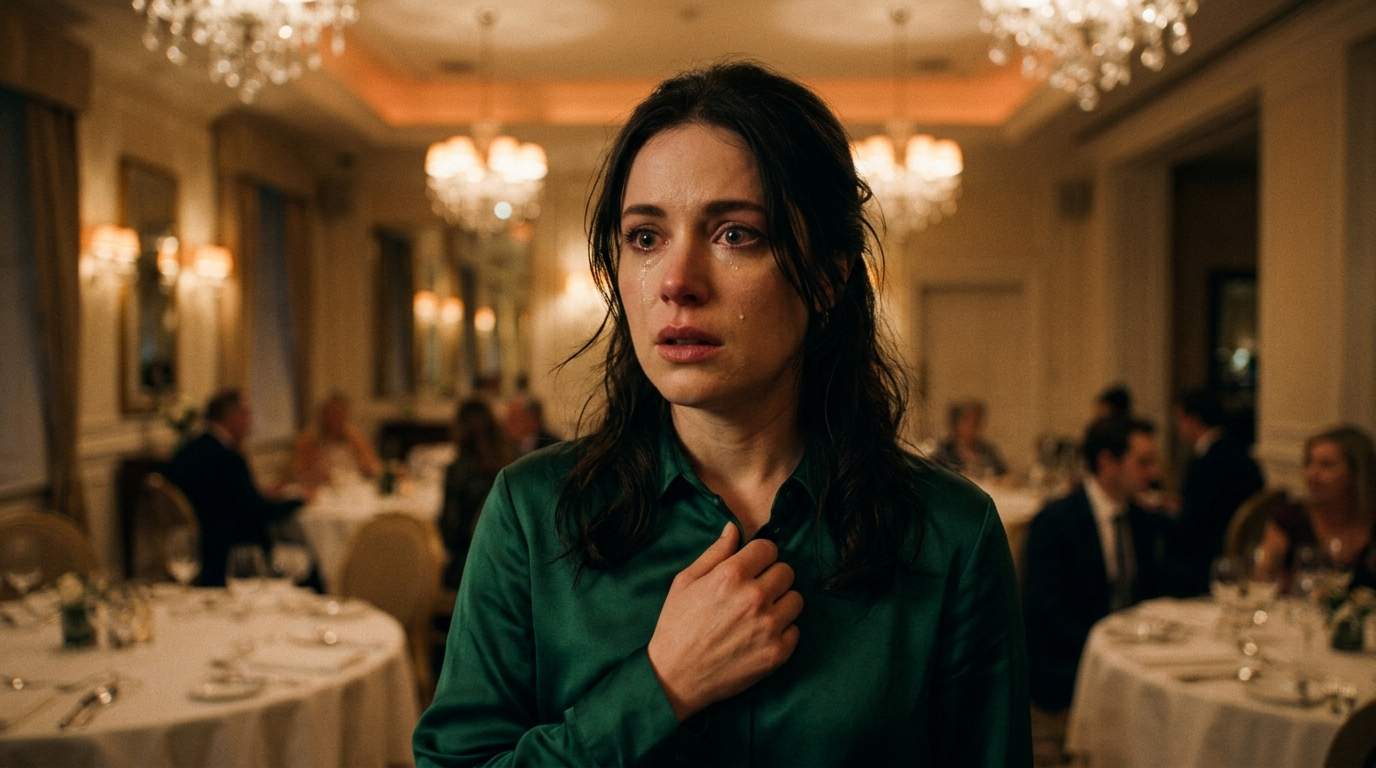
Every memory, every cherished moment, was suddenly tainted by this profound, earth-shattering deception.
The weight of her secret, carried for decades, was now pressing down on me, suffocating me.
This wasn't a simple family secret; this was a fundamental breach of trust, an identity theft on an epic, heartbreaking scale.
My entire sense of belonging, my lineage, felt like it was crumbling into dust around me in that silent, hidden room.
What did this mean for my mother, who had grown up believing this woman was her birth mother?
What about the real Caldwell family, who must have mourned their daughter, never knowing her identity was stolen, her memory usurped?
The consequences of this revelation felt infinite, stretching back through generations, forward into an uncertain future.
I closed the journal, my hands shaking so violently I almost dropped it.
The silence in the room screamed with unspoken truths, with a lifetime of lies.
My Grandma Rose, the woman I loved, had been living a lie, and now, I was holding the evidence.