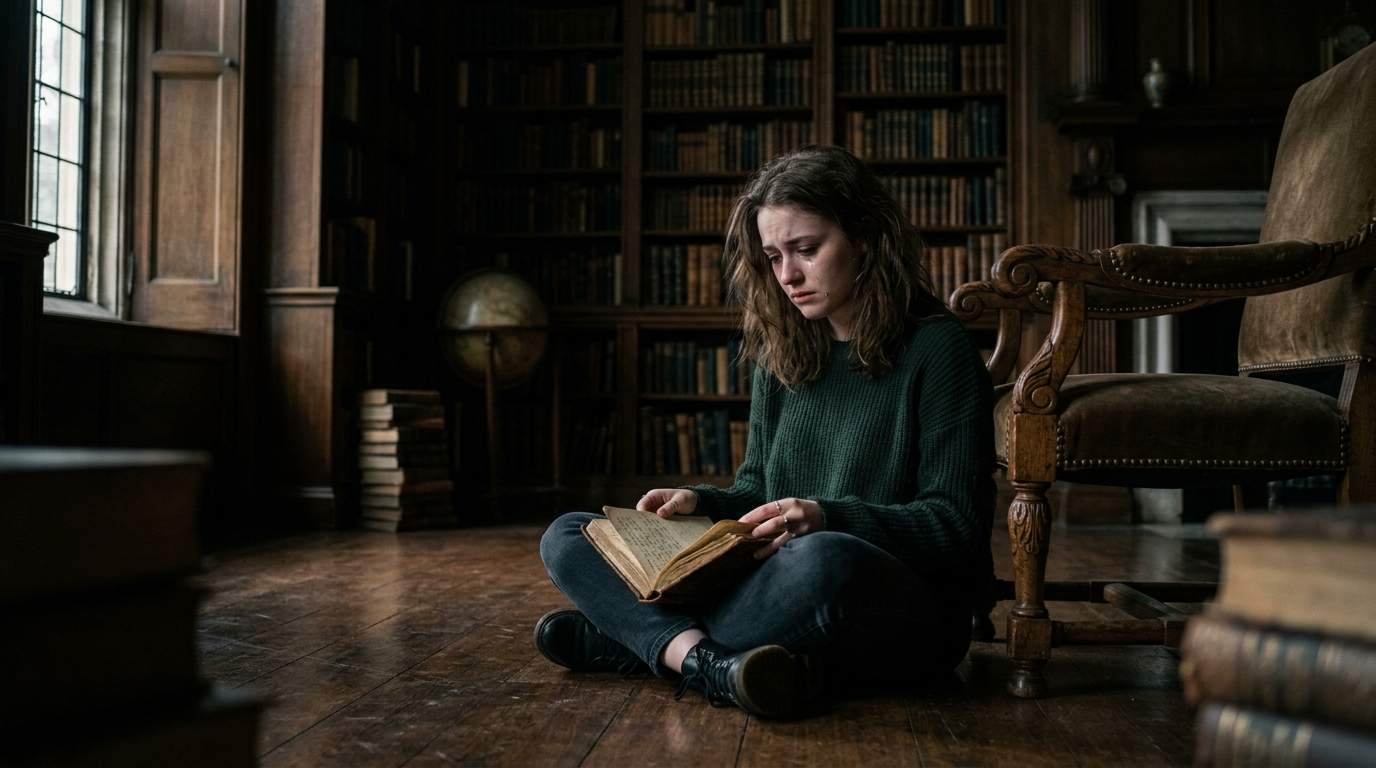
The old Wisteria Lane mansion felt heavier than usual that afternoon.
I always loved visiting Aunt Eleanor there, a place filled with dusty memories and forgotten elegance.
Now, after her passing, it was up to me to clear out her estate, a task that felt both sacred and overwhelming.
Each room held decades of stories, of laughter, and of a life I thought I understood.
I started in her study, a room rarely used but filled with her most treasured books and papers.
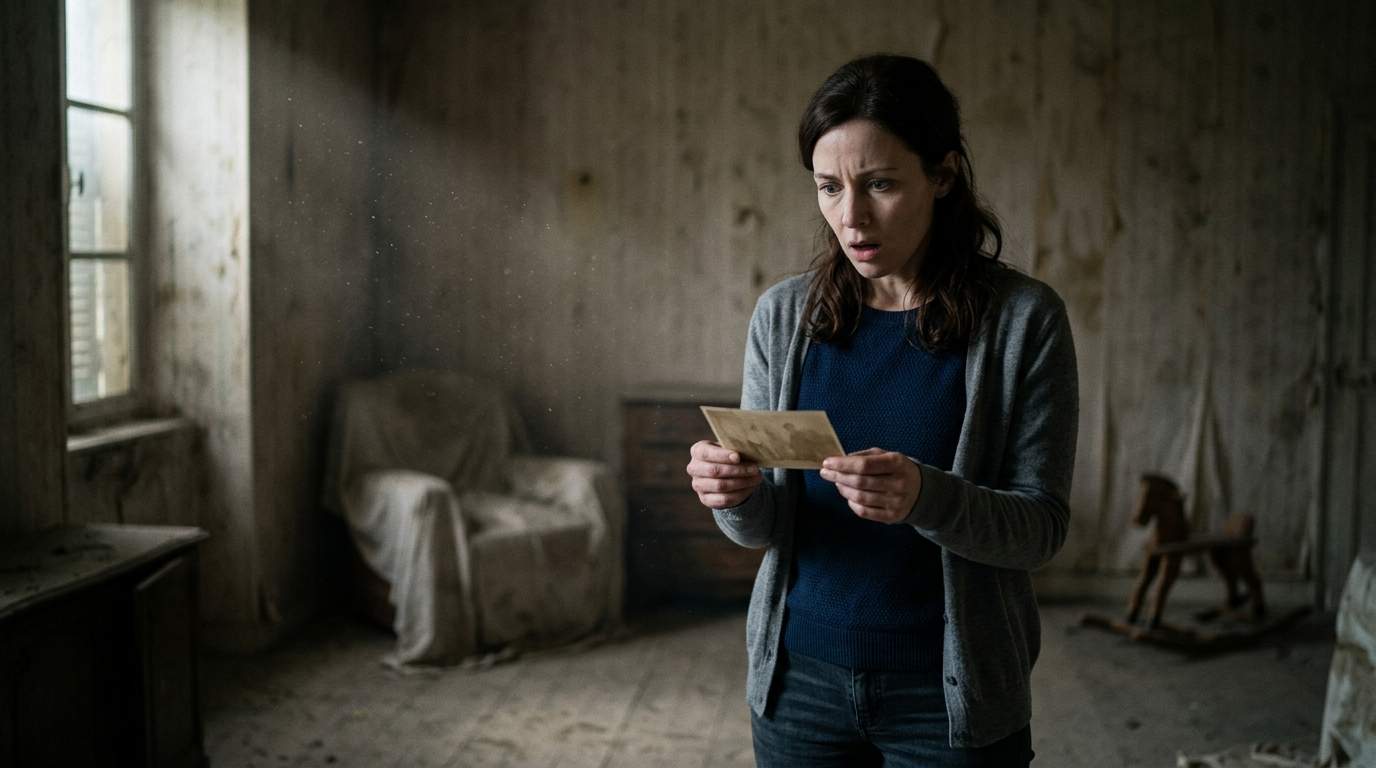
Sunlight struggled through the grimy panes, illuminating dancing dust motes in the still air.
My hands traced the spines of forgotten novels, searching for a family photo album she always spoke of.
It was behind a heavy oak bookcase, near the fireplace, that my fingers brushed something odd.
A loose panel, almost imperceptible, yielded with a soft click.
My heart gave a strange lurch; it wasn't the creaking of old wood this time.
Inside, nestled in the dark recess, lay a stack of yellowed envelopes and a worn leather-bound journal.
A chill snaked up my spine, a premonition of something profound.
I pulled them out, the paper brittle and fragrant with age, their weight oddly significant in my hands.
The first letter was addressed to Aunt Eleanor, dated almost forty years ago.
It spoke of "the plan" and "securing the legacy" and a "new will."
Confusion swirled in my mind, quickly turning to a cold knot of dread.
I recognized the handwriting of a notorious family lawyer, long since disbarred for shady dealings.
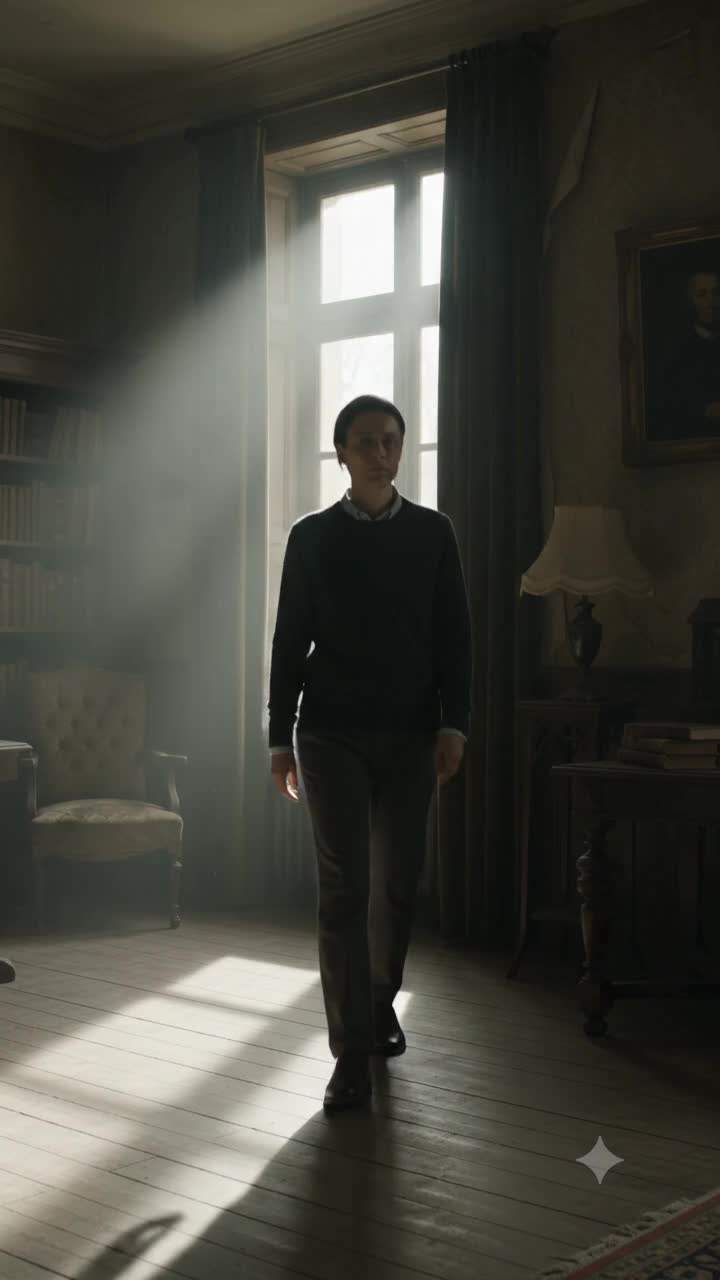
Then I found a document, a last will and testament, not Aunt Eleanor's, but my grandfather's.
It was signed, witnessed, and appeared utterly legitimate.
But the date was wrong, impossibly wrong, given when he actually passed away.
My eyes scanned the clauses, each word a hammer blow to my chest.
It explicitly disinherited my mother, completely cutting her out of her rightful inheritance.
It redirected everything, everything, to Aunt Eleanor and her side of the family.
My mother, her only child, was left with nothing but a paltry, insulting sum.
I remembered my mother's stories of growing up, how they lost the family business, how they struggled.
She always said her father had lost everything in a bad investment, that's why they had nothing.
This document contradicted every single narrative I had ever known about our family's past.
Then I found another letter, this one from Aunt Eleanor to the lawyer, almost giddy with success.
"It worked," she wrote, "Helen (my mother) believes the investment story completely."
Advertisement
"She's too naive to question anything; we can finally have what is rightfully ours."
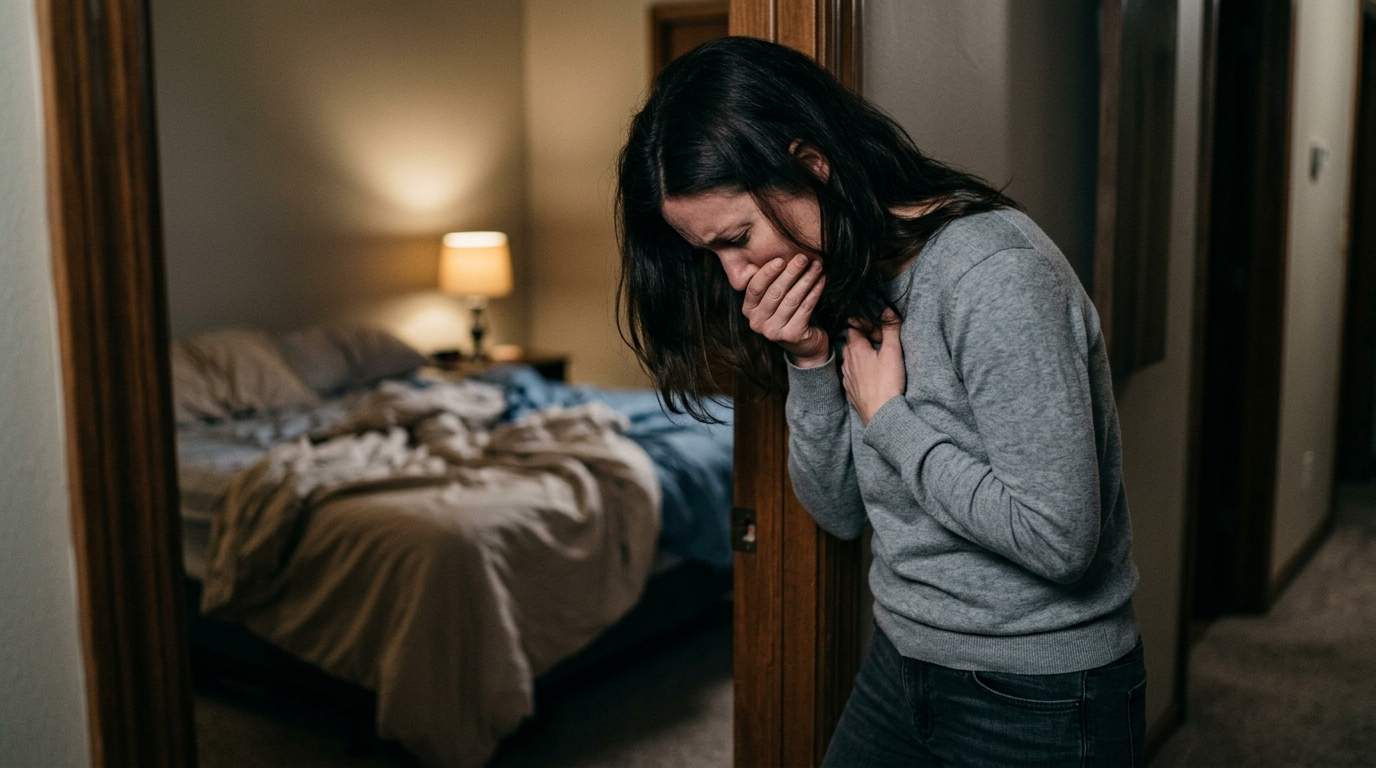
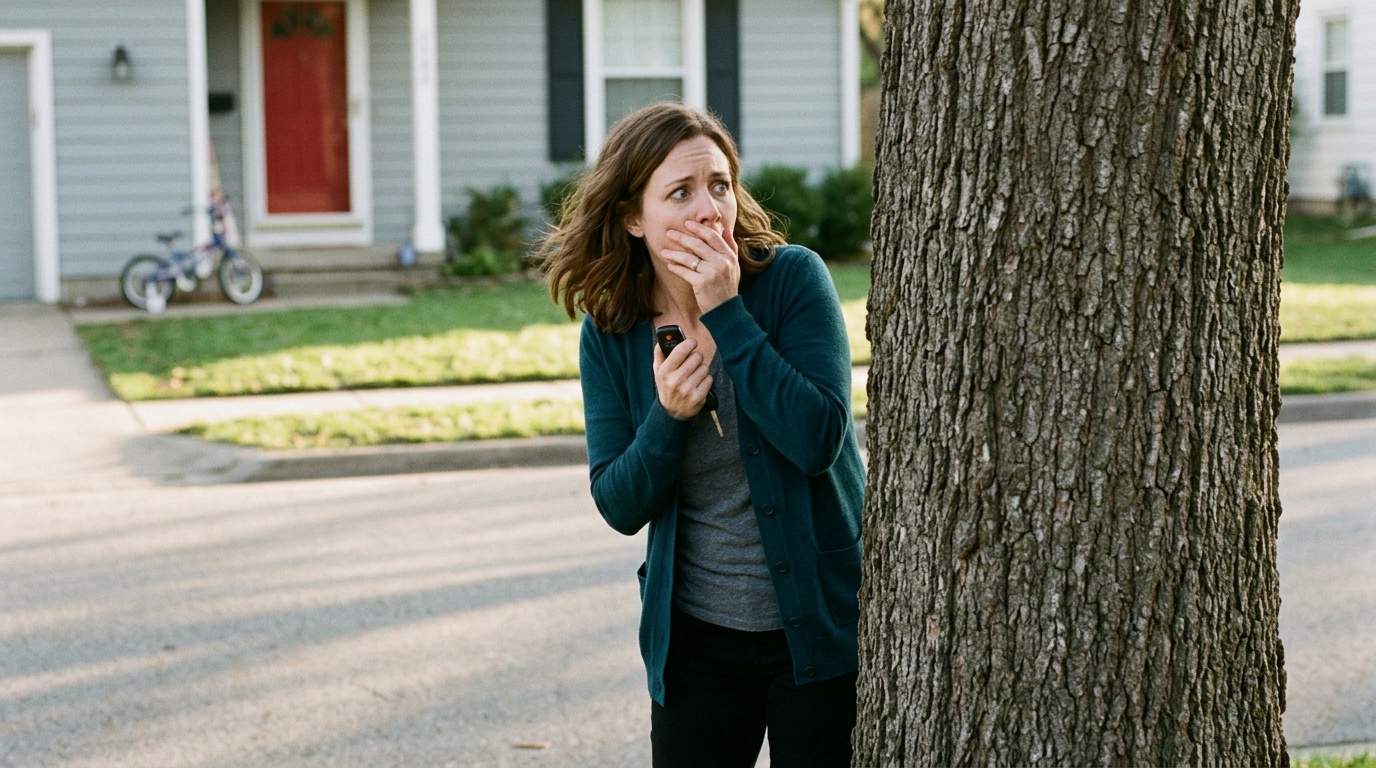
My breath hitched, and a wave of nausea washed over me, threatening to buckle my knees.
Aunt Eleanor, my sweet, kind, eccentric Aunt Eleanor, was a con artist.
She had actively orchestrated a fraudulent scheme to steal my mother's inheritance.
She had let my mother struggle her entire life, raising me without a safety net, while living in this very mansion.
Every warm memory I had of her, every seemingly wise piece of advice, now felt like a cruel, calculated lie.
The journal confirmed it all, detailing her meticulous plan, her fears of discovery, her smug satisfaction.
It detailed how she forged signatures, manipulated legal processes, and wove a decades-long web of deception.
My hands trembled so violently the papers rustled like dry leaves.
The room suddenly felt suffocating, the dust motes like accusations dancing in the air.
This wasn't just about money; it was about a stolen future, a rewritten history, a fundamental betrayal of trust.
My mother's entire life could have been different, free from the financial burdens that shadowed her.
My own childhood, too, would have been different, shaped by opportunity instead of constant scrimping.
The woman I had loved and respected, whose memory I now mourned, was a thief and a deceiver.
The irreversible consequences slammed into me with crushing force.
She was gone, the lawyer was gone, the money was long spent, probably on this very mansion.
There was no justice to be sought, no one left to hold accountable in a courtroom.
Only this damning evidence, this unbearable truth, lay heavy in my lap.
I looked at the familiar, grand, yet now utterly tainted walls of the mansion.
It no longer felt like a place of nostalgic comfort but a monument to a terrible, hidden crime.
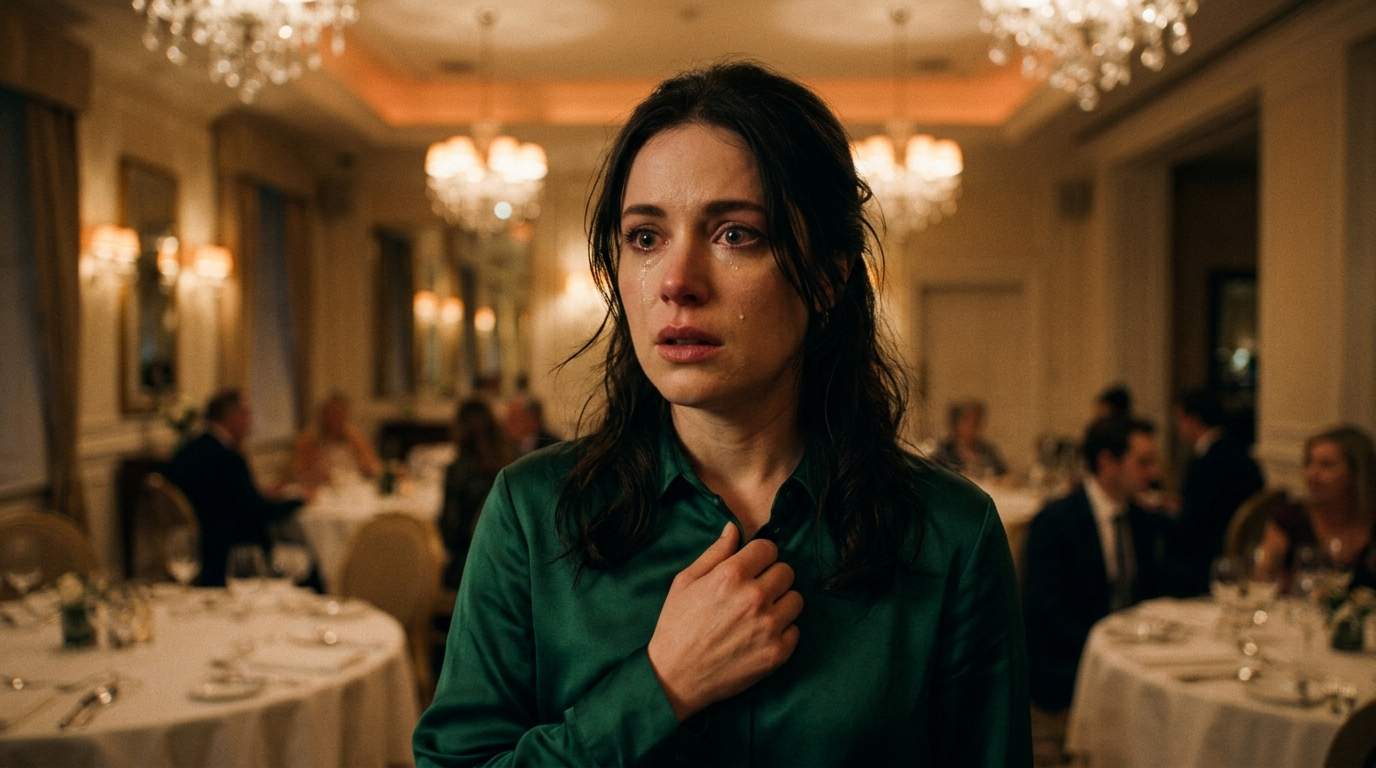
My vision blurred, hot tears stinging my eyes, not for Aunt Eleanor, but for the shattered innocence of my mother.
And for the cruel, cold truth that now poisoned every memory I had.