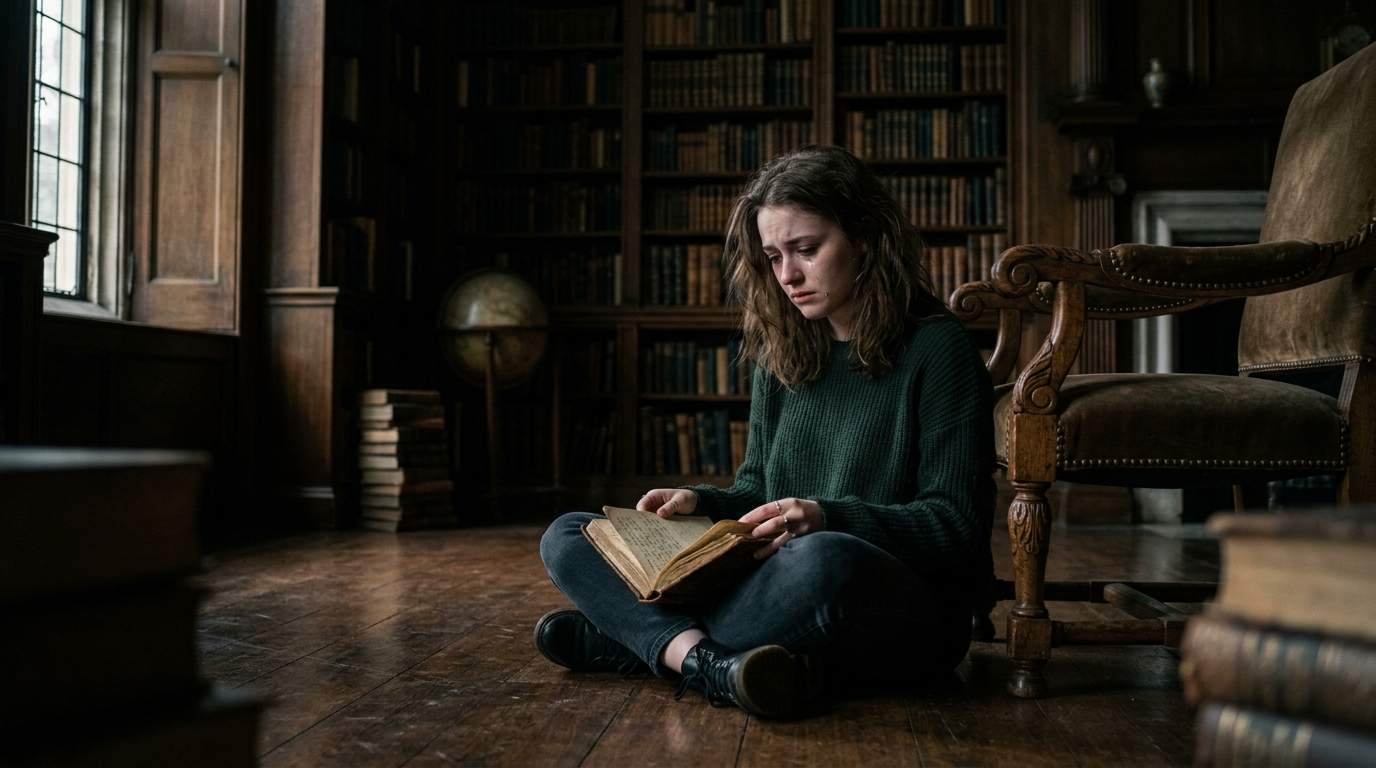
I still can’t shake the feeling from that day, a cold dread settling deep in my bones.
It started like any other late summer afternoon, filled with dust motes dancing in the sunbeams.
Grandma Eleanor’s mansion, usually bustling with family, felt eerily quiet after her passing.
My sister and I had been tasked with clearing out her study, a room untouched for decades.
Every antique held a story, every book a memory of a life well-lived, or so I thought.
We carefully boxed up ledgers and old correspondence, each item carefully cataloged.
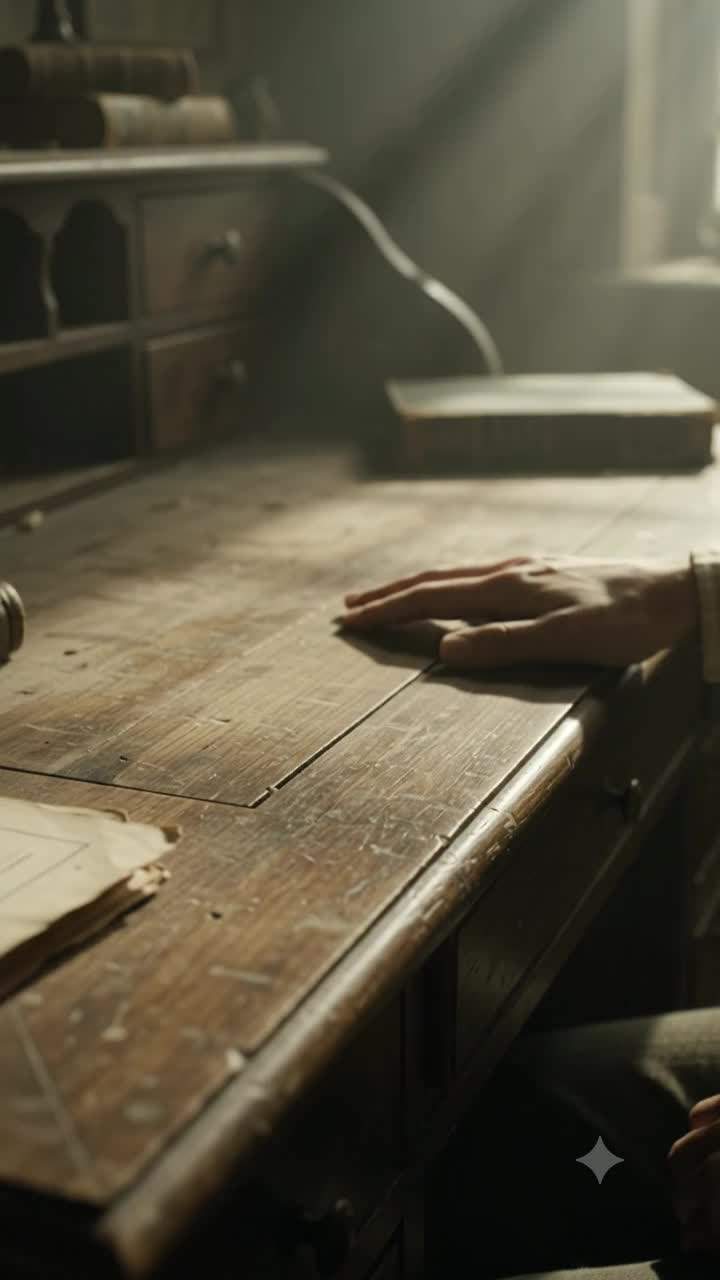
Then, behind a hidden panel in her imposing mahogany desk, I found it.
A small, velvet-covered box, almost swallowed by the shadows, lay nestled there.
My heart quickened, a strange mix of anticipation and unease bubbling up inside me.
I fumbled with the latch, my fingers trembling slightly as it clicked open.
Inside, beneath a faded silk lining, rested a stack of old, brittle letters.
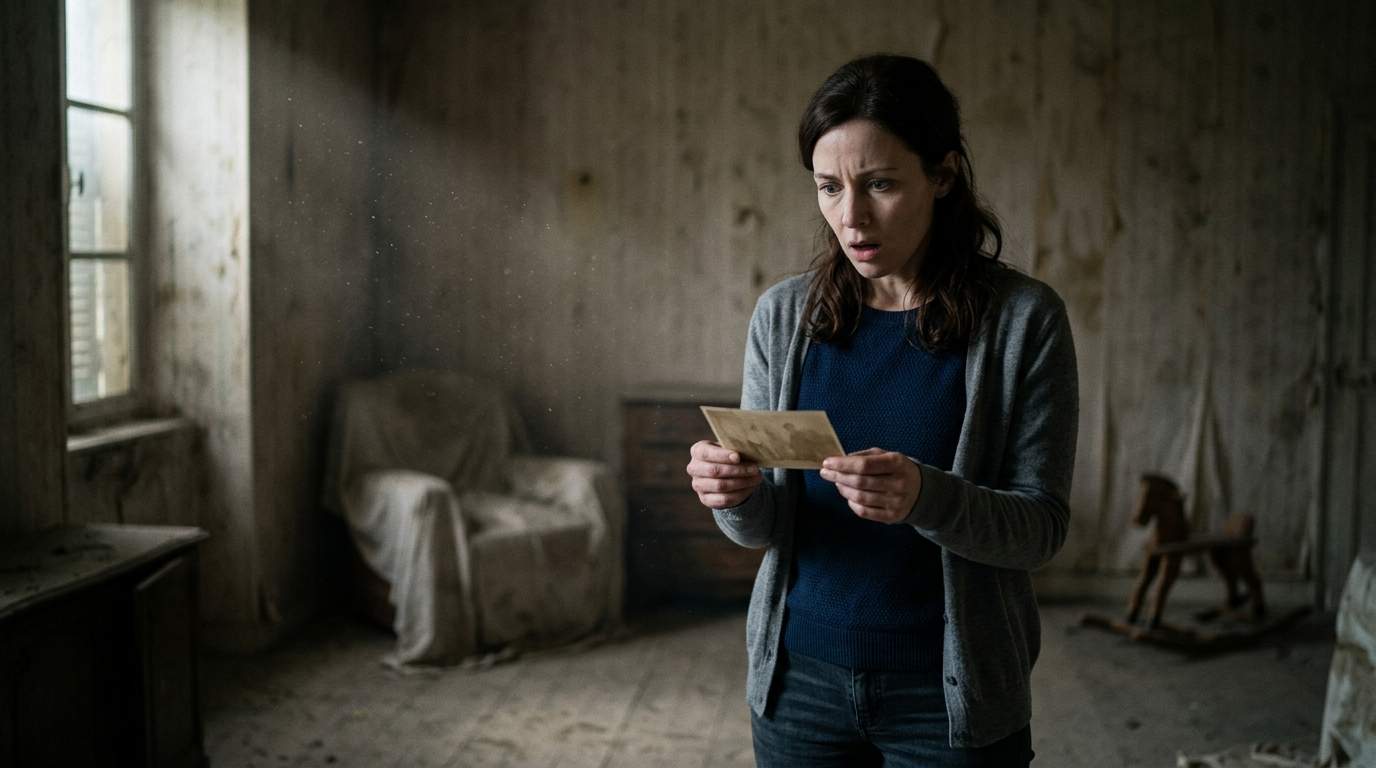
And then, a tiny, discolored birth certificate, its ink faded with time.
The name on the certificate wasn't one I recognized, not from our family tree.
But the mother's name was unmistakable: Eleanor Maeve Peterson, my grandmother.
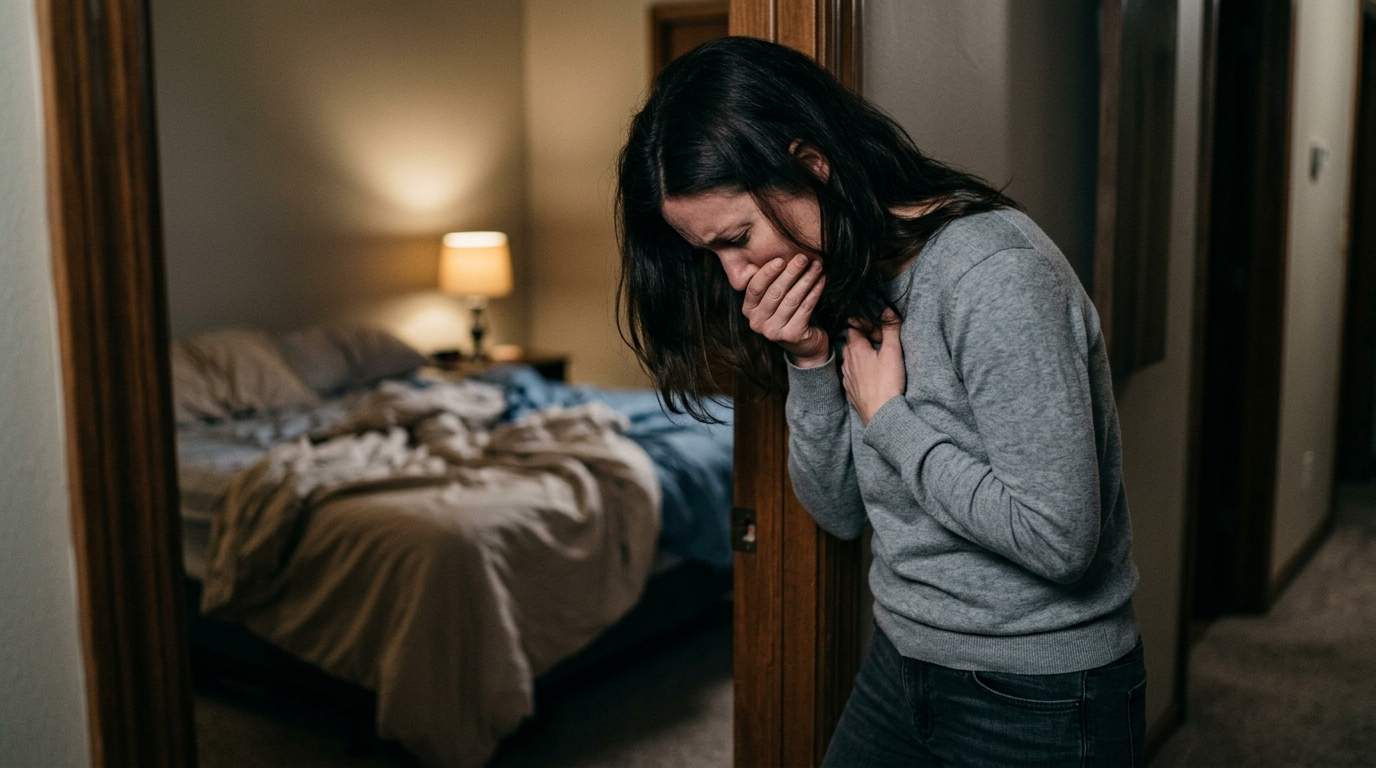
A gasp escaped my lips, barely a whisper in the silent, suffocating room.
This wasn't just a birth certificate; it was for a child born years before her marriage to Grandpa Arthur.
A child no one in our family had ever mentioned, never acknowledged.
My grandmother, the pillar of our community, the epitome of grace and tradition, had a secret child.
The letters told a heartbreaking tale of young love, abandonment, and forced separation.
They detailed a life lived in the shadows, a desperate plea for recognition.
This child, a boy named Daniel, grew up without his mother, without our family.
He had died young, just a few years ago, according to the final letter’s postmark.
My mind raced, piecing together the timeline, the implications, the sheer weight of this deception.
Grandma Eleanor had built her entire life on a foundation of lies, a carefully constructed façade.
She had guarded this secret with her dying breath, taking it to her grave.
But the truth, once unearthed, refused to stay buried.
My sister, looking over my shoulder, let out a strangled cry, her face drained of color.
The shock was palpable, a physical blow that left us both reeling.
Our perfect family history, the legacy we’d always cherished, was dissolving before our eyes.
Advertisement
Everything I thought I knew about my grandmother, about our family, was a cruel illusion.
The warmth of the afternoon sun now felt cold, casting long, accusing shadows across the room.
My hands shook, the old papers rustling like whispers from the past.
We discovered that Daniel had even tried to reach out once, decades ago.
His letters, unanswered, lay buried with the others, a testament to Grandma's ruthless resolve.
There was a mention of a brief, hushed legal meeting, a signed document of renunciation.
It seemed my grandmother had ensured Daniel had no claim to her wealth, to our name.
The cruelty of it, the calculated coldness, sent shivers down my spine.
How could the woman I adored, who baked me cookies and told me bedtime stories, be capable of such a profound deception?
The betrayal wasn't just against Daniel; it was against every one of us who believed in her integrity.
It felt like a betrayal of our very identity, our shared heritage.
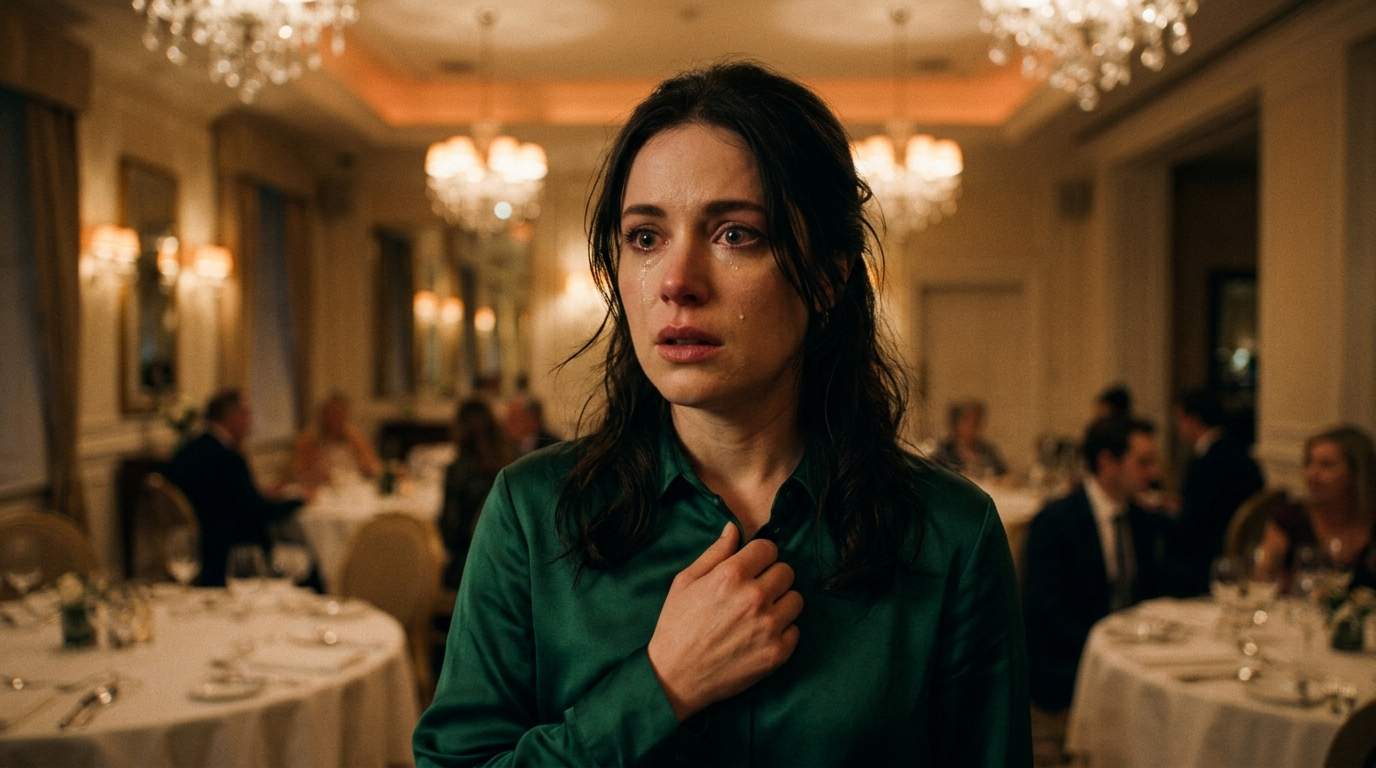
My sister started to cry, silent tears tracking paths through the dust on her cheeks.
Our conversation after that was fractured, filled with gasps and disbelieving shakes of the head.
We spoke of what this meant for our family, for the inheritance, for Grandpa’s memory.
He had never known, had he? Or did he choose to turn a blind eye?
The questions spiraled, each one heavier than the last, without any easy answers.
This hidden life, this secret child, irrevocably altered the landscape of our family.
The mansion, once a symbol of stability and tradition, now felt like a mausoleum of secrets.
Its antique walls seemed to echo with the ghosts of unspoken truths, of lives denied.
I looked at the framed portraits of our ancestors, their smiling faces suddenly seeming to mock me.
Their pristine reputations, their carefully curated legacies, now felt tainted.
The very air in the house felt heavy, suffocating under the weight of what we’d found.
I felt a profound sense of loss, not just for the ideal of my grandmother, but for the truth itself.
The knowledge was a burden, a ticking time bomb in the heart of our family.
How do you reconcile the person you loved with the person who committed such a deceit?
The truth is a devastating force, capable of splintering even the strongest bonds.
And now, we had to decide what to do with it, this painful, shattering truth.
It felt like standing on a precipice, staring down into an abyss of consequences.
This was not just about money or inheritance; it was about the very fabric of who we were.
My family, once a solid unit, now felt like a fragile vase, fractured beyond repair.
The mansion’s secrets had been laid bare, and so had the deceit at the heart of our legacy.
And I knew, with chilling certainty, that nothing would ever be the same again.