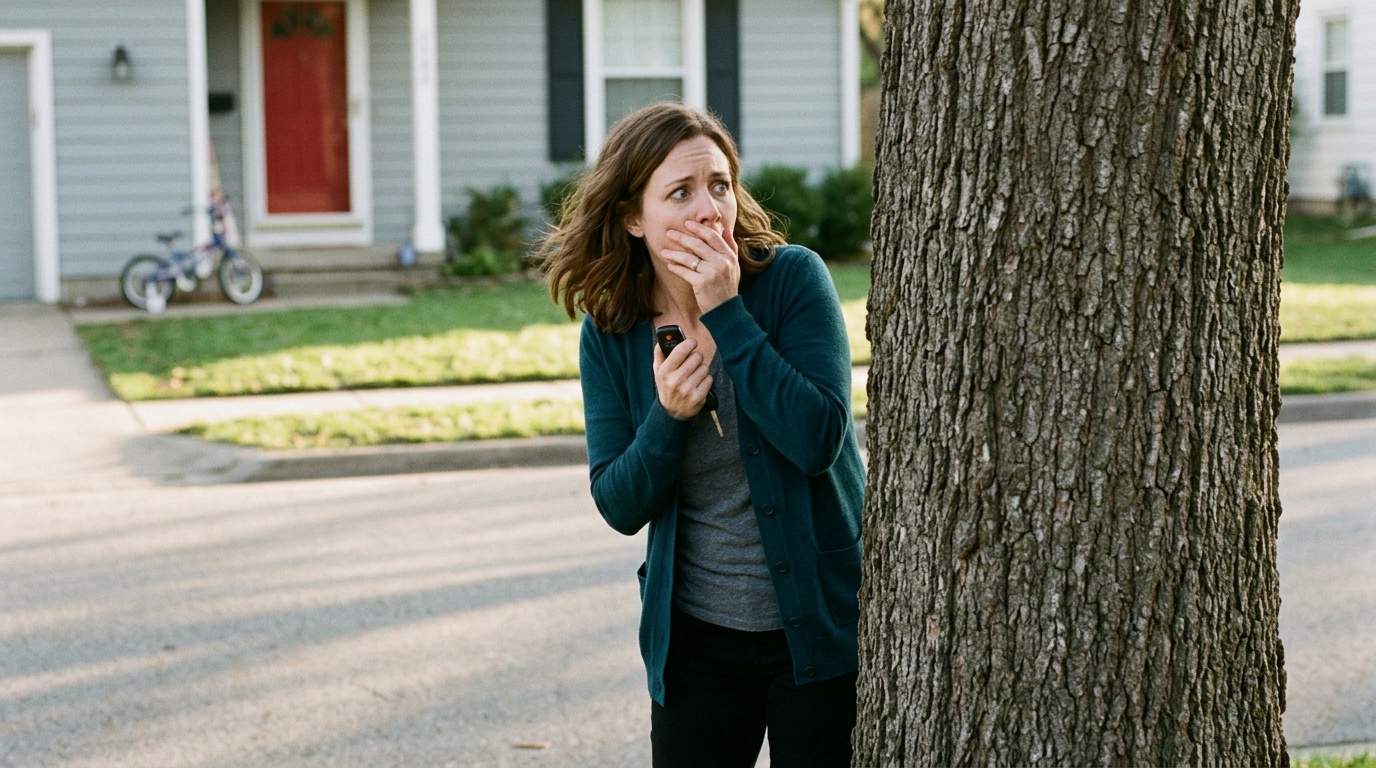
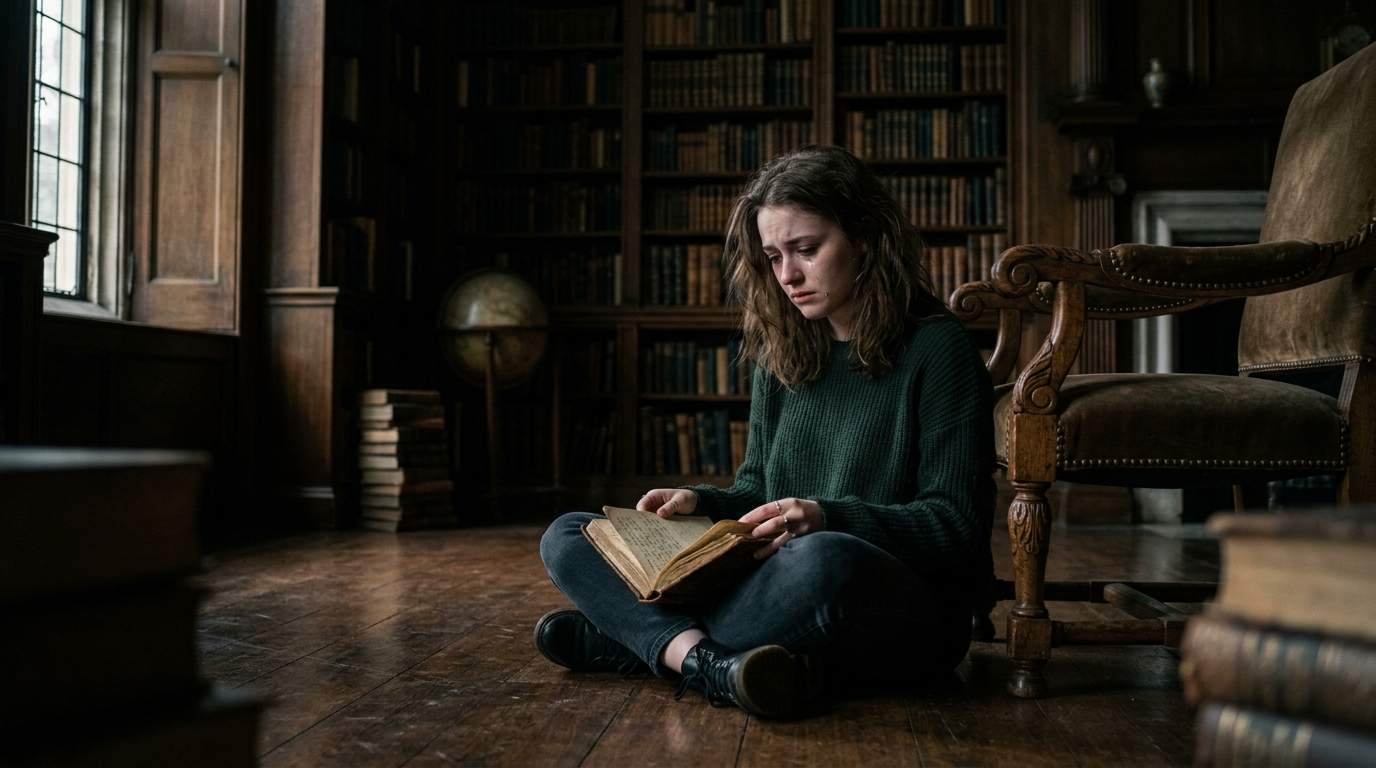
The ache in my chest after Grandma Rose passed felt like a physical wound, raw and relentless.
She was my anchor, my confidante, the one constant star in my often-chaotic universe.
Her funeral was a blur of black suits and whispered condolences, a collective mourning for a woman who had touched so many lives.
Just when I thought the world couldn't spin any slower, the lawyer called, his voice grave, requesting my presence for the reading of her will.
The air in Mr. Davies' oak-paneled office was thick with a silence that pressed down on us, heavy with unspoken grief.
My mother, usually so composed, dabbed at her eyes with a lace handkerchief, while my father sat stiffly beside her, his jaw tight.
When Mr. Davies finally cleared his throat, the scratching of his pen seemed deafening.
Most of Grandma's estate was divided logically, fairly, but then he paused, looking directly at me over his half-moon spectacles.
"And to Eleanor," he began, "for her, a specific request regarding Rosewood Manor."
My stomach clenched; Rosewood Manor was the sprawling, ancient house where Grandma had spent her final years, a place steeped in family history and shadows.
He explained a clause in the will, almost an afterthought, that stipulated I, and I alone, was to personally oversee the packing and distribution of all items from a particular wing of the manor.
It felt odd, an unusual request from a woman who was always so practical.
The moment I stepped onto the gravel drive of Rosewood Manor, a chill snaked down my spine, despite the warm autumn air.
The house loomed, a grand old dame with secrets etched into every weathered brick and dusty windowpane.
Inside, the silence was absolute, broken only by the creak of floorboards under my hesitant steps.
I spent days sifting through memories, every trinket a story, every photo a forgotten smile.
But the specified wing, a part of the house Grandma rarely used, felt different, almost forbidden.
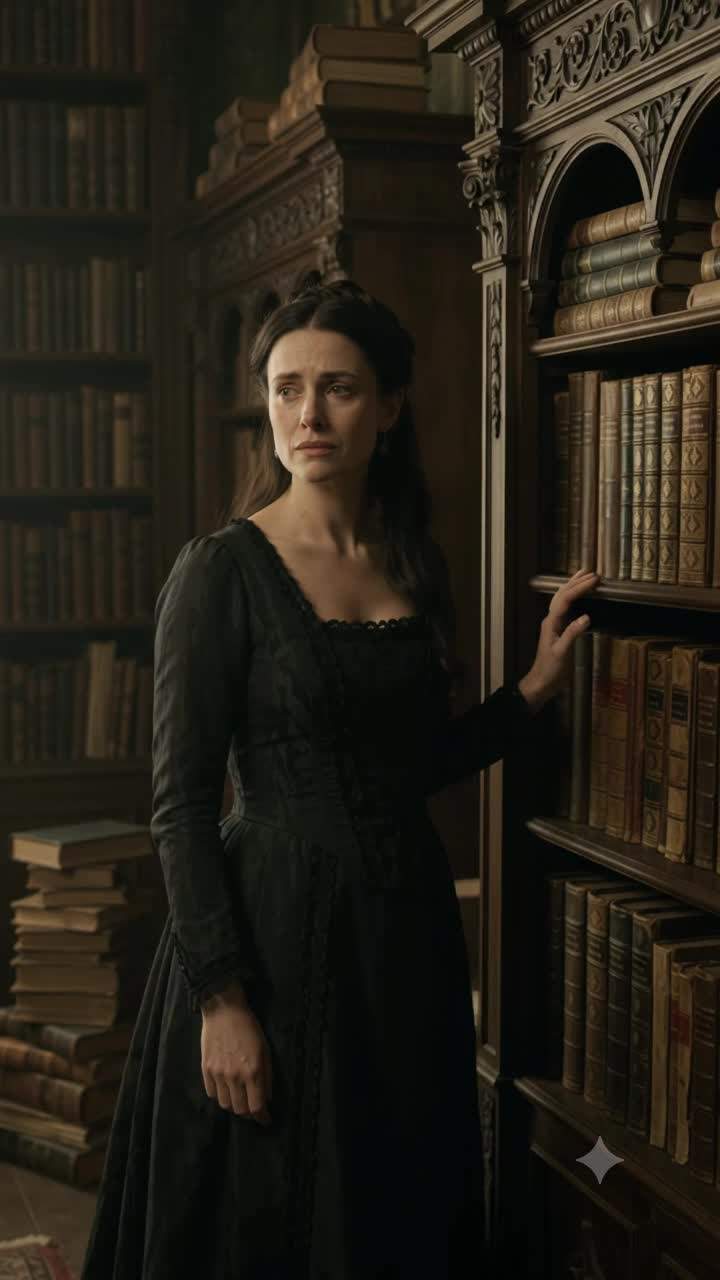
There was an old, intricately carved mahogany desk in the study there, always locked, always a mystery.
Grandma had a peculiar habit: she loved puzzles, riddles, and hiding little notes in plain sight.
I remembered her once saying, "The most important truths are often hidden where no one thinks to look, Ellie."
As I ran my hand along the dusty back panel of the desk, something felt slightly off, a faint give beneath my fingertips.
Hours turned into a blur of pushing, prodding, and whispering frustrations to the empty rooms.
My fingers ached, my eyes strained, but a strange sense of urgency, almost a pull, kept me going.
And then, with a soft click, a narrow panel slid inward, revealing not a hidden compartment, but a small, dark opening in the wall behind the desk.
My heart hammered against my ribs like a trapped bird, a mixture of fear and exhilaration surging through me.
I retrieved a flashlight from my bag, its beam cutting through the inky blackness as I cautiously peered inside.
It wasn't a closet; it was a small, dusty room, barely big enough to stand in, completely concealed.
The air was stale, thick with the scent of aged paper and forgotten time, a smell that instantly transported me to a forgotten era.
In the center of the tiny space sat a single, ornate wooden chest, untouched by time or dust, almost as if it had been perfectly preserved.
Advertisement
My hands trembled as I knelt, pushing aside the cobwebs, and slowly unlatched the heavy brass clasps.
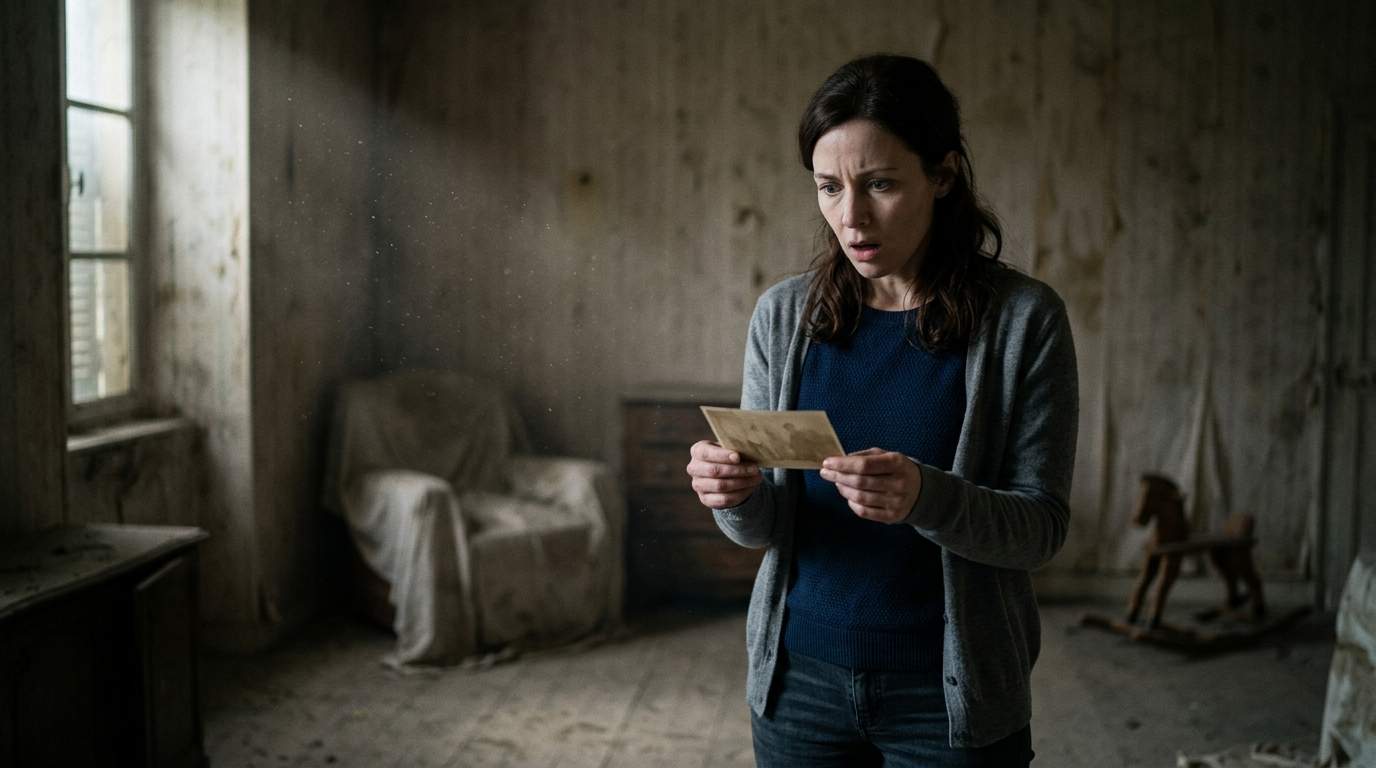
Inside, nestled amongst layers of yellowed silk, were stacks of letters tied with faded ribbons, a small velvet-bound diary, and a handful of sepia-toned photographs.
I picked up the diary first, its leather cover smooth beneath my fingers, the pages brittle with age.
The handwriting was Grandma Rose’s, unmistakable, yet the entries were from a time before I was born, a voice I didn't recognize.
I started reading, my eyes scanning the elegant cursive, absorbing fragments of a life I never knew she lived.
Then, a name leaped off the page, a name I knew intimately, a name that belonged to my family, but in a context that made no sense.
My breath hitched in my throat as I read the next few sentences, then paragraphs, the words blurring, then sharpening into horrifying clarity.
The world tilted on its axis, every sound in the old house receding into a distant hum.
It spoke of a love affair, a secret life, a child born out of wedlock, a desperate cover-up.
And then, the name again, unmistakably confirming that the child in question was my own father, but not by the man I had always known as my grandfather.
My entire life, the solid foundation of my family tree, shattered into a million irreparable pieces in that tiny, hidden room.
The man I called Grandpa, the man I loved, was not my father's biological father; my own existence was built on a decades-long lie orchestrated by my beloved grandmother.
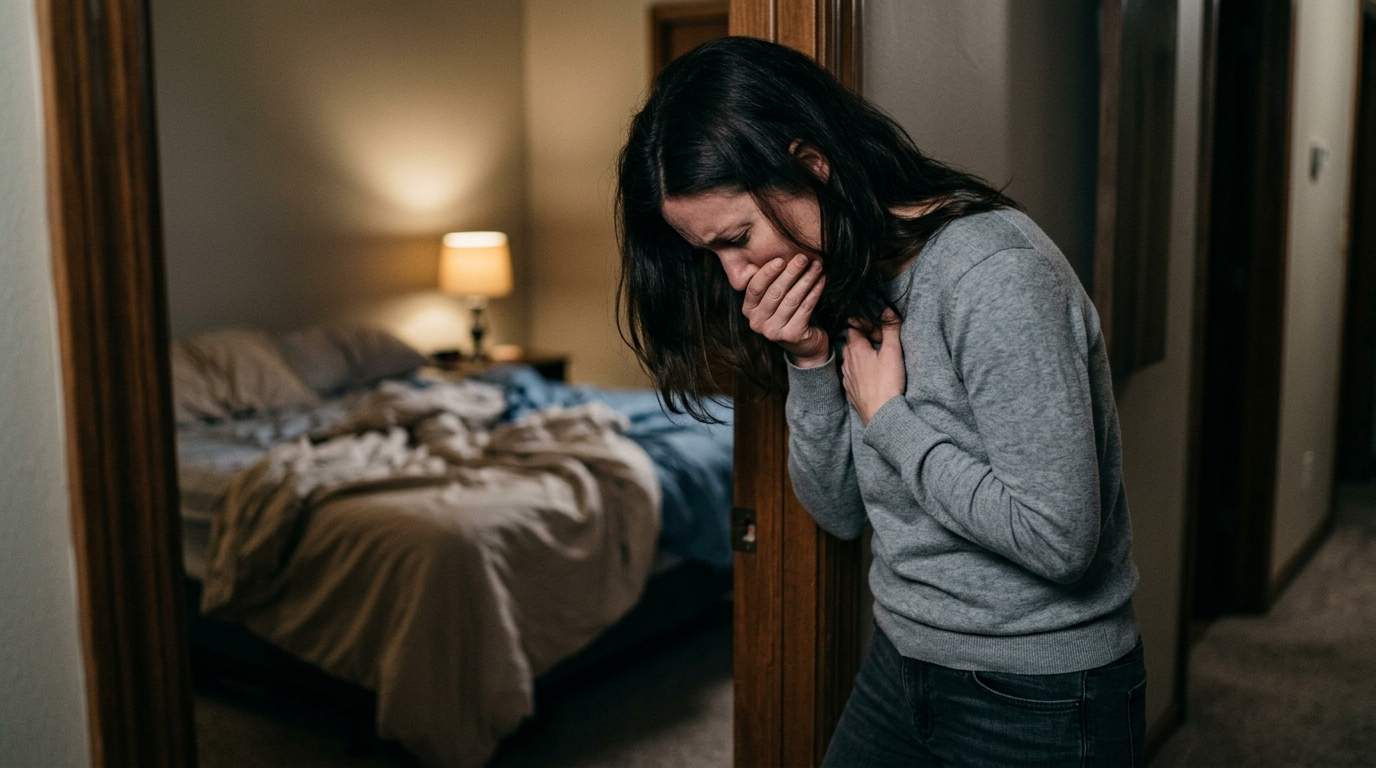
A cold wave of nausea washed over me, rendering me utterly speechless, utterly broken.
The weight of this colossal deception pressed down, suffocating me, stealing the air from my lungs.
How could Grandma, the woman who epitomized honesty and strength, have kept such a monstrous secret for so long?
The betrayal wasn't just hers; it implicated everyone, my father, my mother, everyone who knew or perhaps just silently suspected.
I felt like an alien in my own skin, an unwitting participant in a grand, painful charade.
Every memory, every family gathering, every heartfelt conversation, now felt tainted, a cruel performance.
The irreversible consequences crashed down on me; my entire identity, my sense of belonging, was irrevocably fractured.
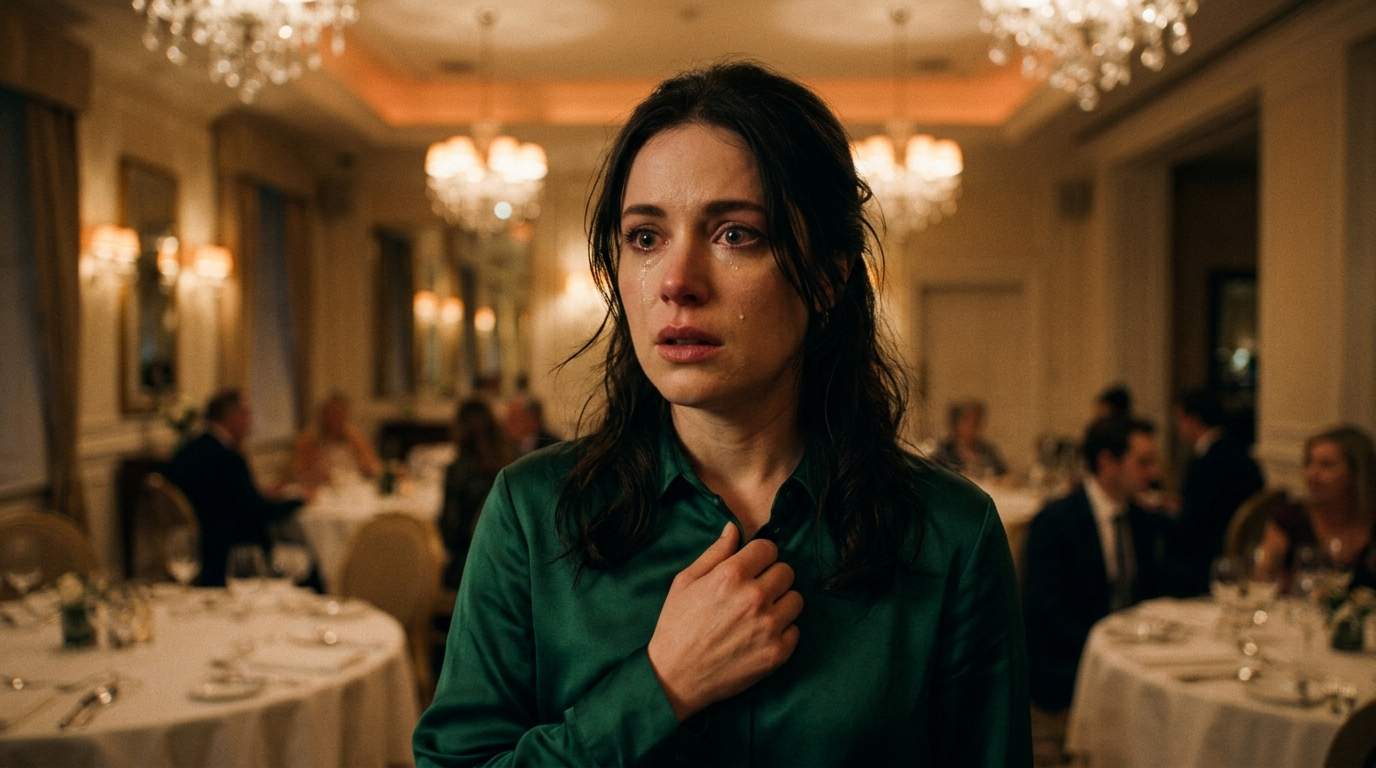
I closed the diary, my hands shaking so violently I almost dropped it, my vision blurred with unshed tears.
The silent room, once a sanctuary of discovery, now felt like a tomb, burying me under the weight of an unbearable truth.
Life would never, could never, be the same again; I was no longer Eleanor, just a girl adrift in a sea of lies.