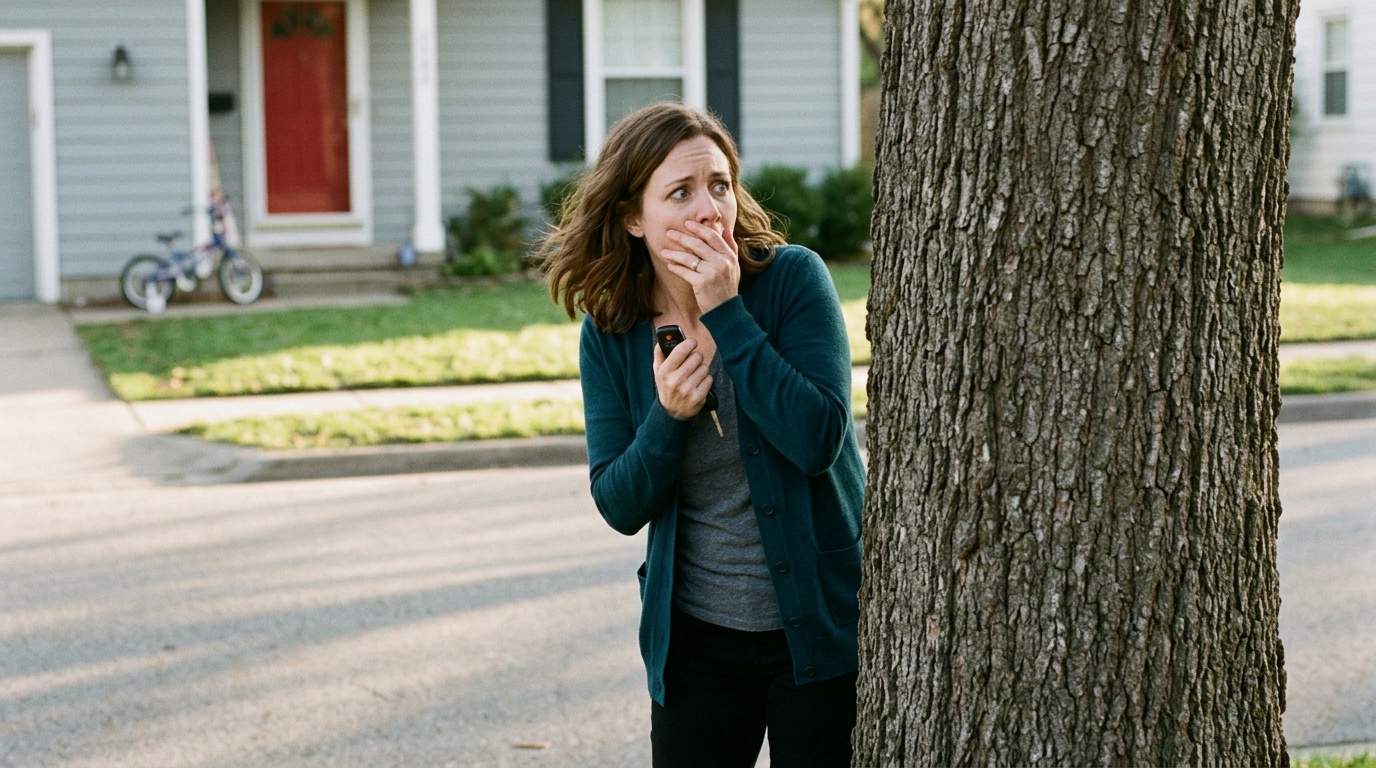
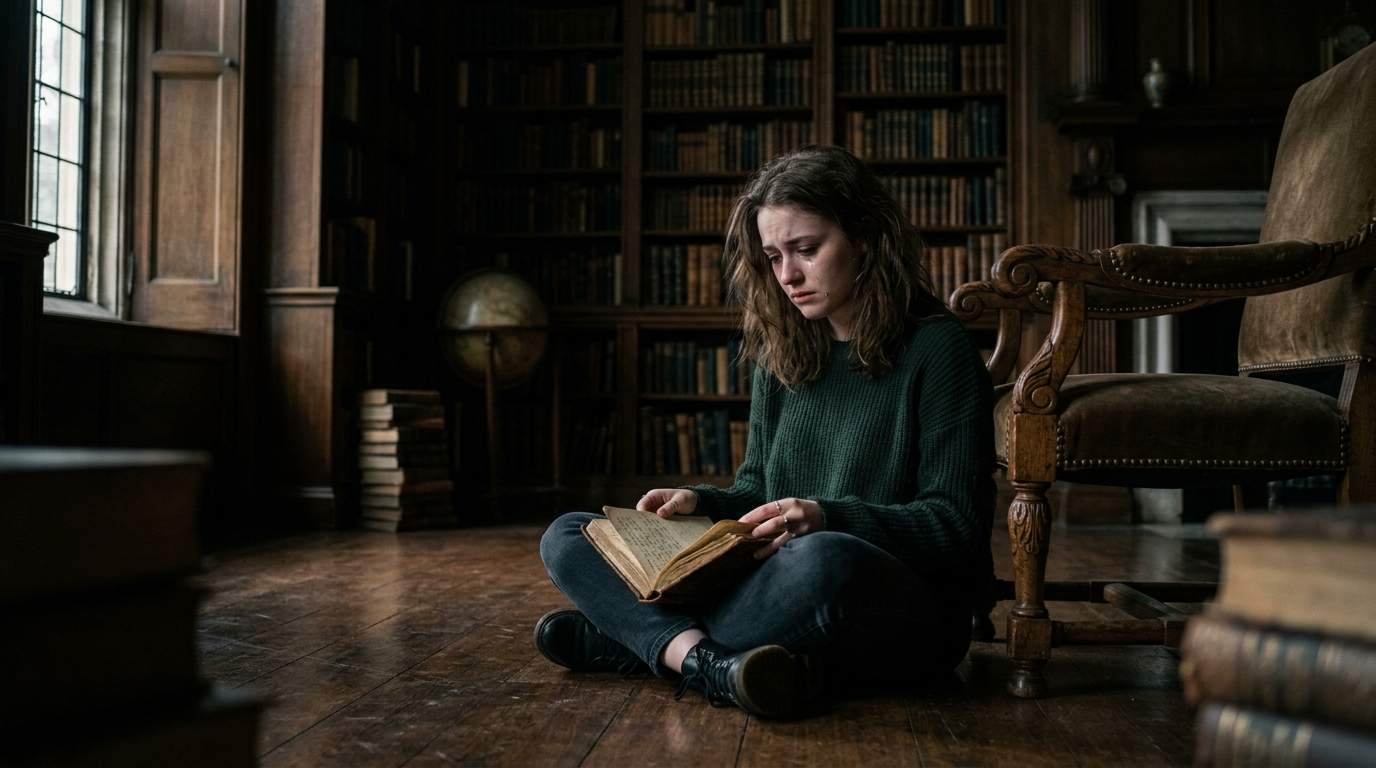
My parents are gone now, leaving behind a silence that was always louder than words.
Their absence felt like a heavy cloak, shrouding questions I never dared to ask while they were alive.
I inherited their quiet legacy, and an old key to a place I barely remembered: Uncle Robert’s sprawling, dust-laden mansion.
He called me a few weeks ago, his voice raspy, inviting me to help sort through years of forgotten history.
The mansion always felt like a character itself, ancient and secretive, holding breath in its shadowed corners.
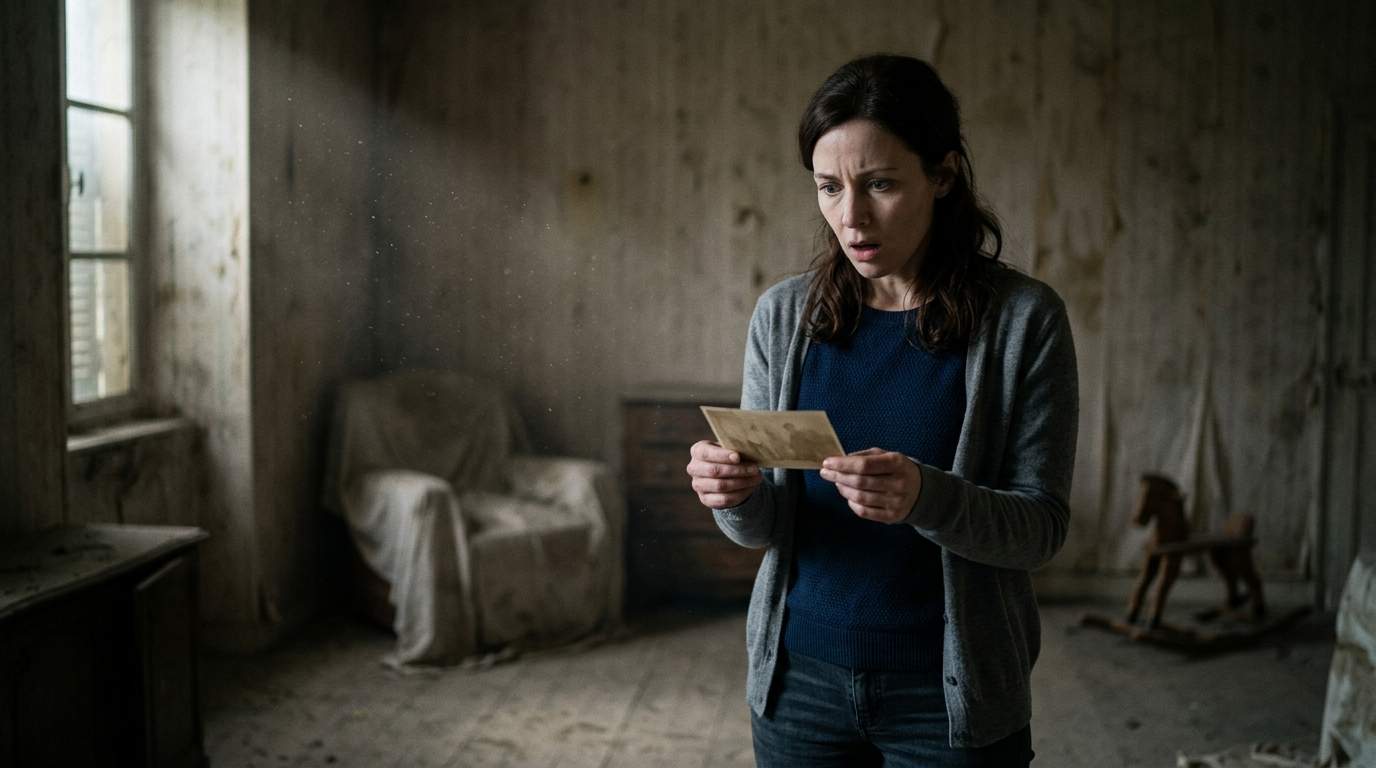
Dust motes danced in the sparse sunlight that pierced the grimy panes, illuminating antique furniture draped in white sheets like sleeping giants.
Every creak of the floorboards echoed, a whisper from the past, making me feel both unwelcome and intensely drawn in.
Uncle Robert, a man of few words and profound sorrow, simply pointed towards the staircase leading to the attic one afternoon.
"There's an old trunk up there," he muttered, his eyes distant, "might have some of your mother's things. I can't face it."
A knot tightened in my stomach; my mother rarely spoke of her childhood, a closed book I’d always longed to read.
Climbing the narrow, protesting stairs, the air grew thick with the smell of forgotten wood, mothballs, and memories.
The attic was a labyrinth of forgotten lives, piled high with boxes, broken furniture, and the ghosts of generations.
I pushed aside cobwebs, my flashlight beam cutting through the gloom, searching for a trunk that might contain a piece of her.
After what felt like hours, tucked away behind a stack of moth-eaten tapestries, I found it: a small, dark wooden chest, bound with rusty iron.
There was no lock, only a fragile clasp that gave way with a soft click, echoing loudly in the silence.
Inside, beneath layers of delicate lace and yellowed letters, was a single, slightly warped photograph.
My heart pounded with a mix of anticipation and dread as I carefully lifted it out, the light from the attic window illuminating its faded colors.
It was a picture of a young woman, strikingly beautiful and youthful, holding a baby wrapped in a soft white blanket.
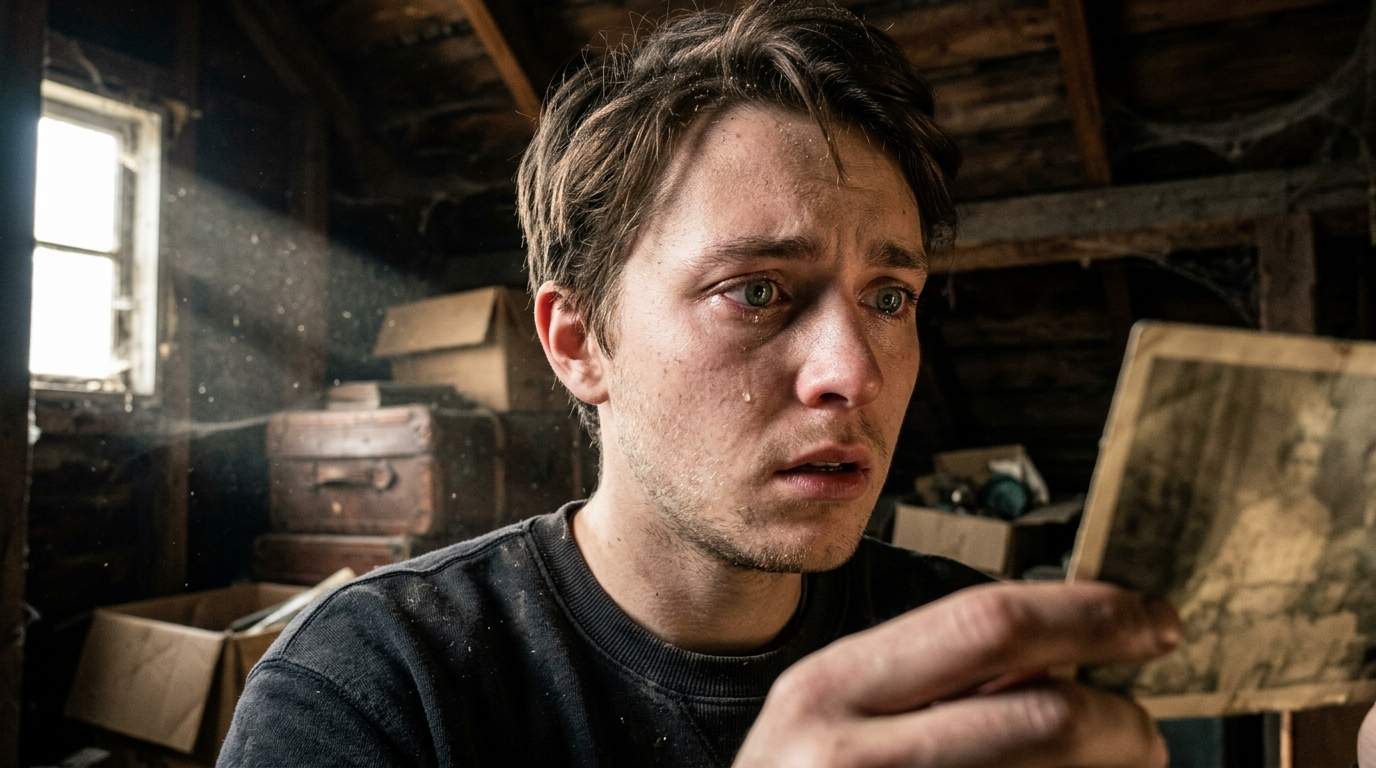
My breath hitched in my throat as I recognized the woman; it was my mother, but impossibly younger, vibrant, and beaming with a raw, unfamiliar joy.
And the baby… the baby had my eyes, my little birthmark on its cheek; it was unmistakably me.
But the man standing beside her, his arm wrapped gently around her waist, was not my father.
He was a stranger, tall and handsome, with a kind smile that matched my young mother's happiness perfectly.
A jolt of confusion, then a cold, creeping horror, seized me, making the attic spin.
On the back of the photo, scrawled in delicate cursive, were two words and a date: "Our Alex. May 1995."
May 1995.
My parents, the ones who raised me, had always celebrated my birthday in November.
My entire life, every story, every shared memory of my birth, flashed before my eyes, twisting into grotesque caricatures.
It was a lie.
Every single word they had ever told me about my beginning, about their story, about my story, was a meticulously crafted fabrication.
Advertisement
My hands trembled so violently I almost dropped the precious, terrible photograph.
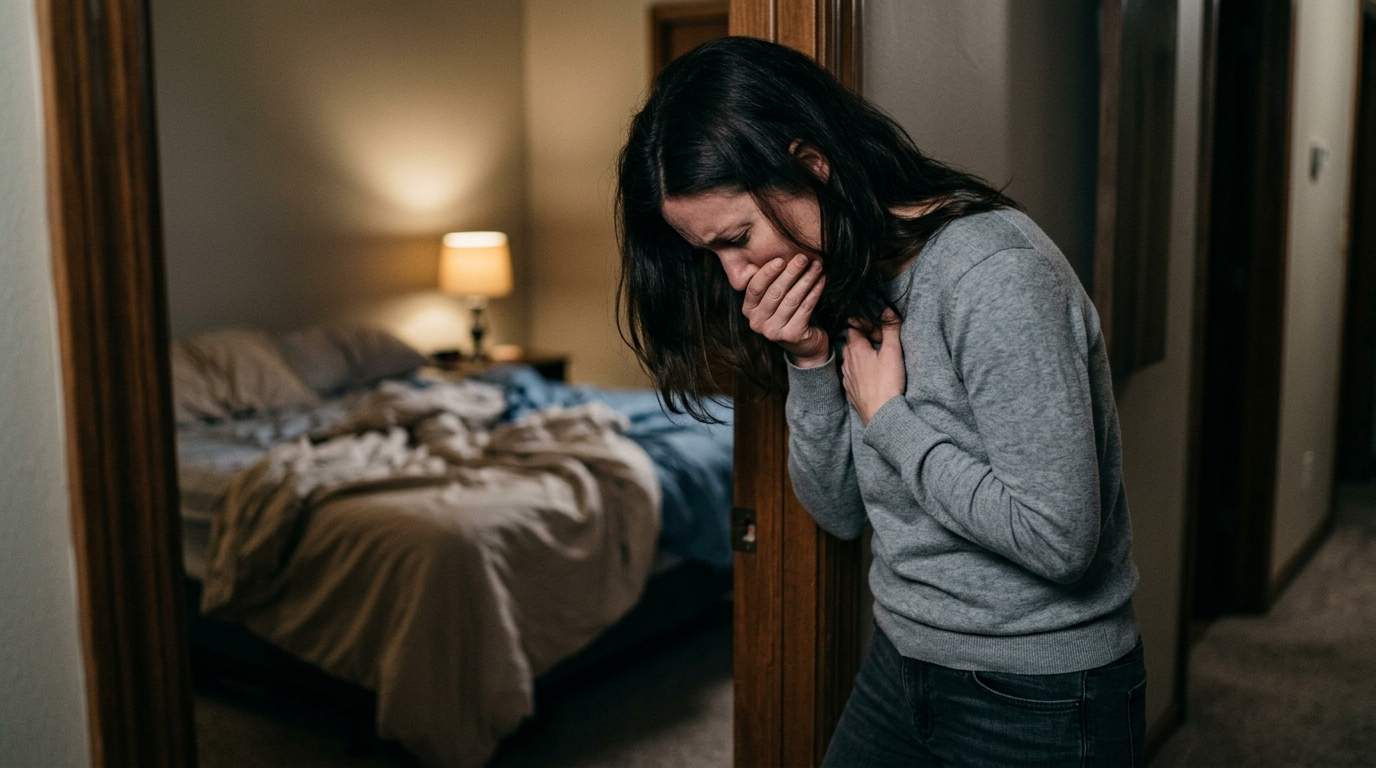
I stumbled down the stairs, the image burned into my mind, the air suddenly too thin to breathe.
Uncle Robert was in the study, a book open on his lap, but his gaze was fixed on the fireplace.
"Uncle," my voice cracked, barely a whisper, holding out the photograph as if it were a burning coal.
He flinched, his aged eyes locking onto the photo, and a profound sadness washed over his face, erasing years of carefully constructed calm.
He didn't need to ask what it was; he knew.
Slowly, painfully, the truth began to unravel, each word a shard of glass piercing my heart.
The woman I knew as my mother wasn’t my biological mother at all, but her sister, my Aunt Sarah.
My real mother, the young woman in the photograph, had died tragically shortly after I was born.
The man in the photo, my biological father, had disappeared, unable to cope with the loss and the sudden responsibility.
My "father," the man who had loved and raised me, was actually my uncle, her husband, who took me in, changing my birth records, erasing my past.
They had built an elaborate, loving deception, a fortress of lies designed to protect me from a pain they thought I couldn't bear.
But the protection felt like a prison now, the love a gilded cage, the past a phantom limb aching with a grief I never knew was mine.
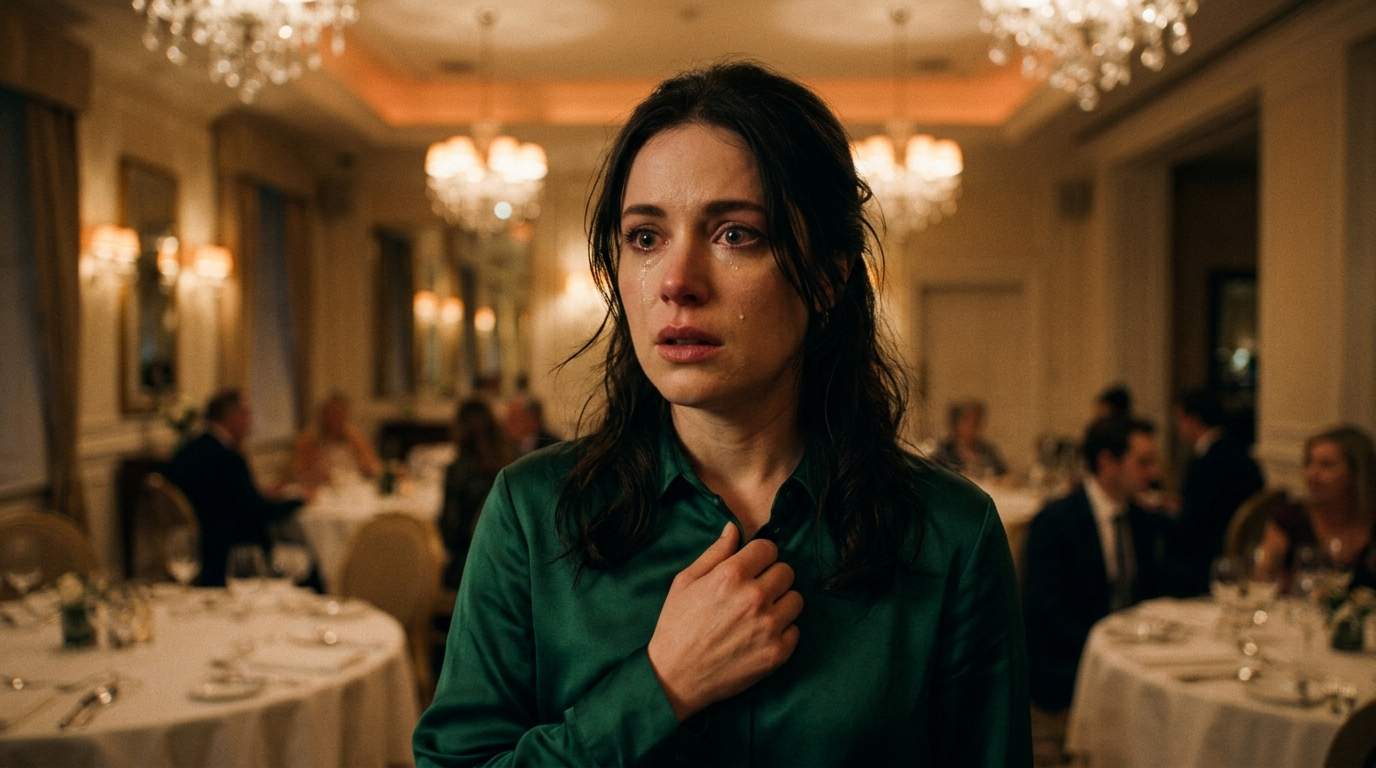
My entire identity, the very foundation of who I believed myself to be, shattered into a million irreparable pieces.
The man I mourned as my father, the woman I cherished as my mother, were heroes and villains all at once.
They had given me a life, but taken my truth, and I didn't know which weighed heavier.
The world outside the mansion’s windows seemed impossibly bright, too vibrant for the desolate landscape of my internal world.
I felt like an alien, a stranger in my own skin, my history ripped from me like a cruel twist of fate.
The mansion’s secrets had become my own, a heavy, suffocating blanket of revelation.
How do you reconcile a lifetime of love with a lifetime of lies?
How do you mourn parents who were not your parents, and yearn for ones you never knew?
The silence of the mansion now screamed with unanswered questions, with the ghosts of forgotten origins.
I stood there, holding the photo, the only tangible link to a life stolen, my own birthright a tragic mystery.
And the irreversible consequence was clear: my life, as I knew it, was utterly and irrevocably over.