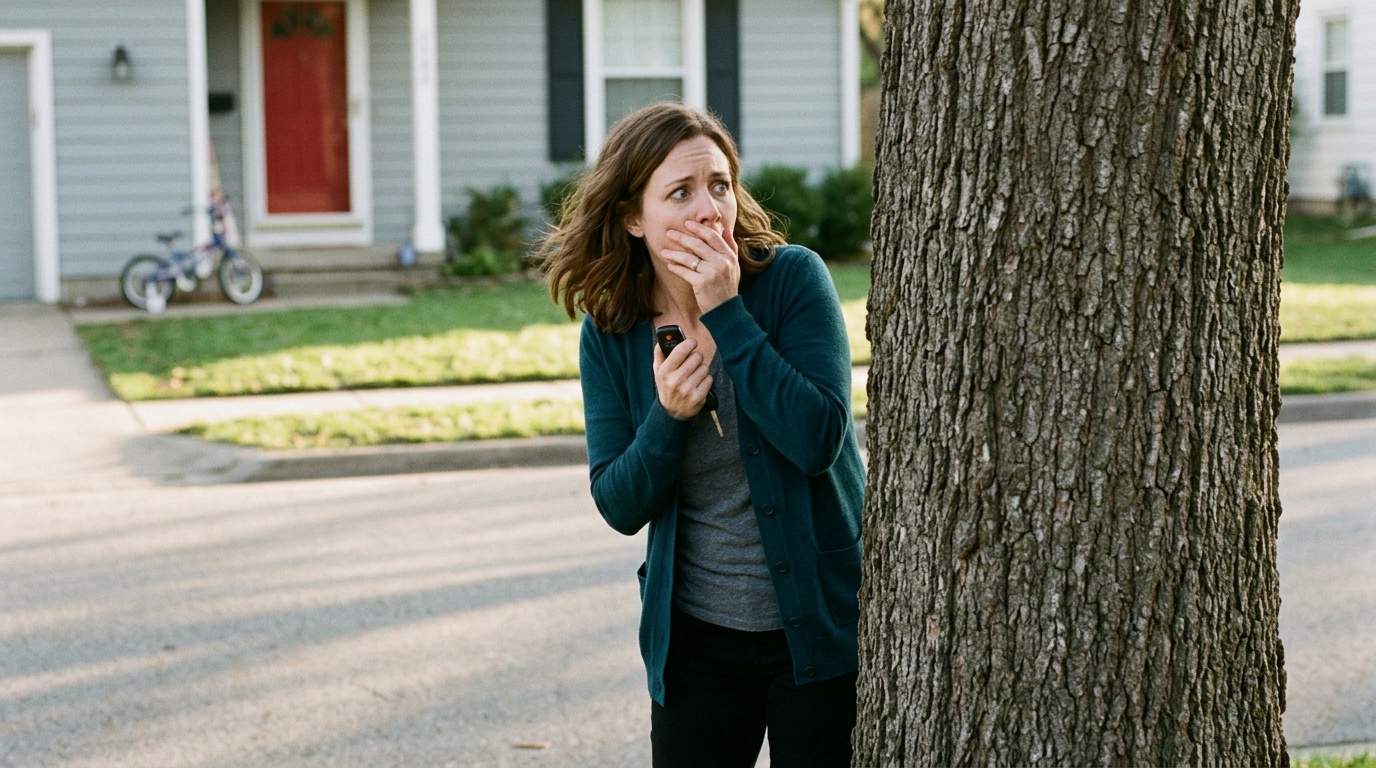
You always think you know your family, right?
You grow up with their stories, their quirks, the comforting rhythm of their lives.
I always thought I knew my Aunt Mildred, too.
She was this sweet, eccentric woman who lived in the sprawling, creaky old mansion at the edge of town, always smelling faintly of lavender and old books.
When she passed away peacefully in her sleep last month, it was sad, but also felt like the end of an era, a natural close to a long, full life.
My parents asked me to help clear out the mansion, a task I approached with a mix of nostalgia and dread, knowing it would be weeks of sifting through generations of accumulated history.
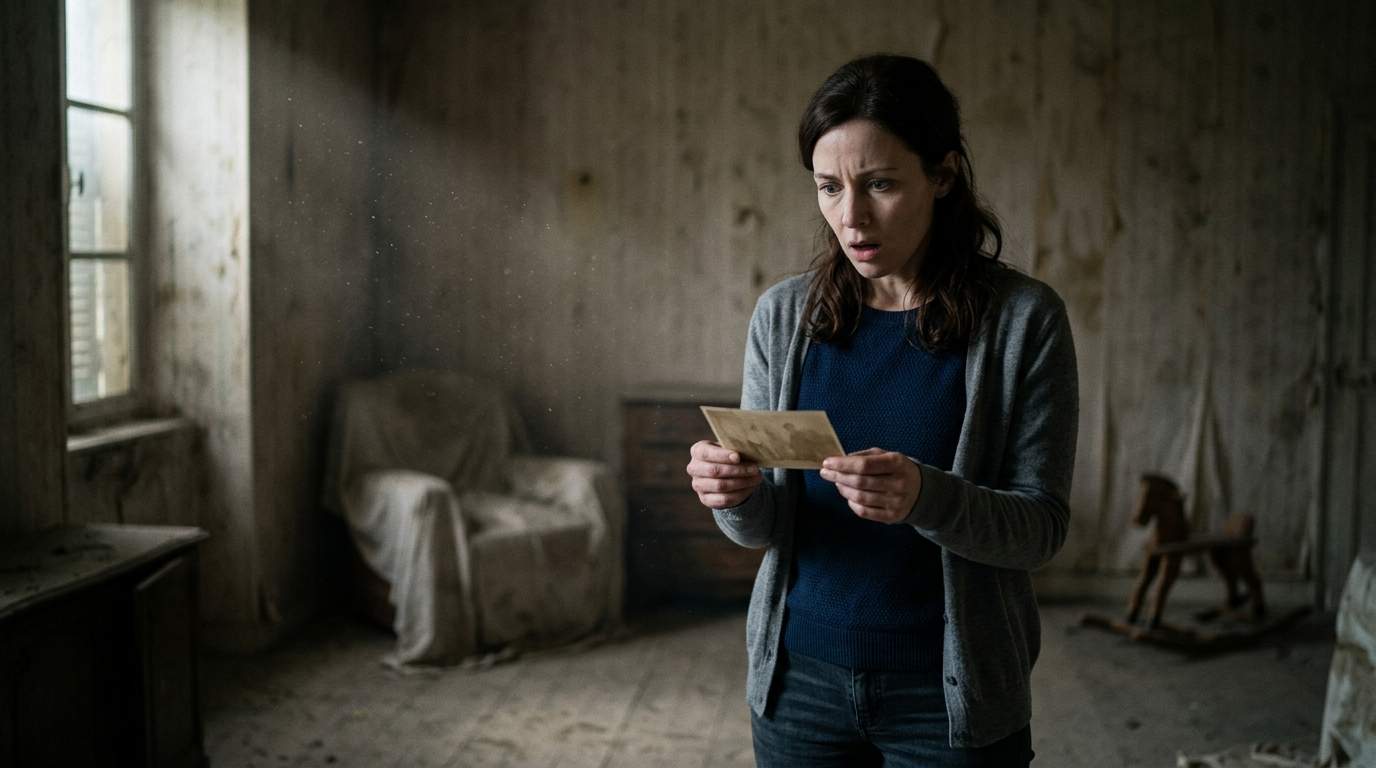
The house itself was a maze of dusty corridors and rooms filled with forgotten treasures and musty memories.
One afternoon, I was in what used to be her study, a room rarely used, packed with overflowing bookshelves that reached to the ceiling.
I was trying to categorize some of the ancient tomes, wiping away thick layers of dust that seemed to cling to everything.
My hand brushed against a loose section of paneling behind a particularly heavy leather-bound volume.
It wasn't just loose; it felt like a hinge.
Curiosity, a trait I inherited from my aunt, got the better of me.
I pressed harder, and with a soft click, a small, narrow section of the bookshelf swung inward, revealing a dark, hidden alcove I’d never known existed.
My heart gave a little jolt of excitement, like finding a secret passage in a childhood adventure story.
Inside, the air was even colder, stagnant, smelling of decay and forgotten time.
There wasn't much: a small, wooden box, and tucked beside it, a slim, leather-bound journal, its cover faded, its pages yellowed with age.
It looked ancient, almost fragile.
I carefully pulled out the journal, my fingers trembling slightly.
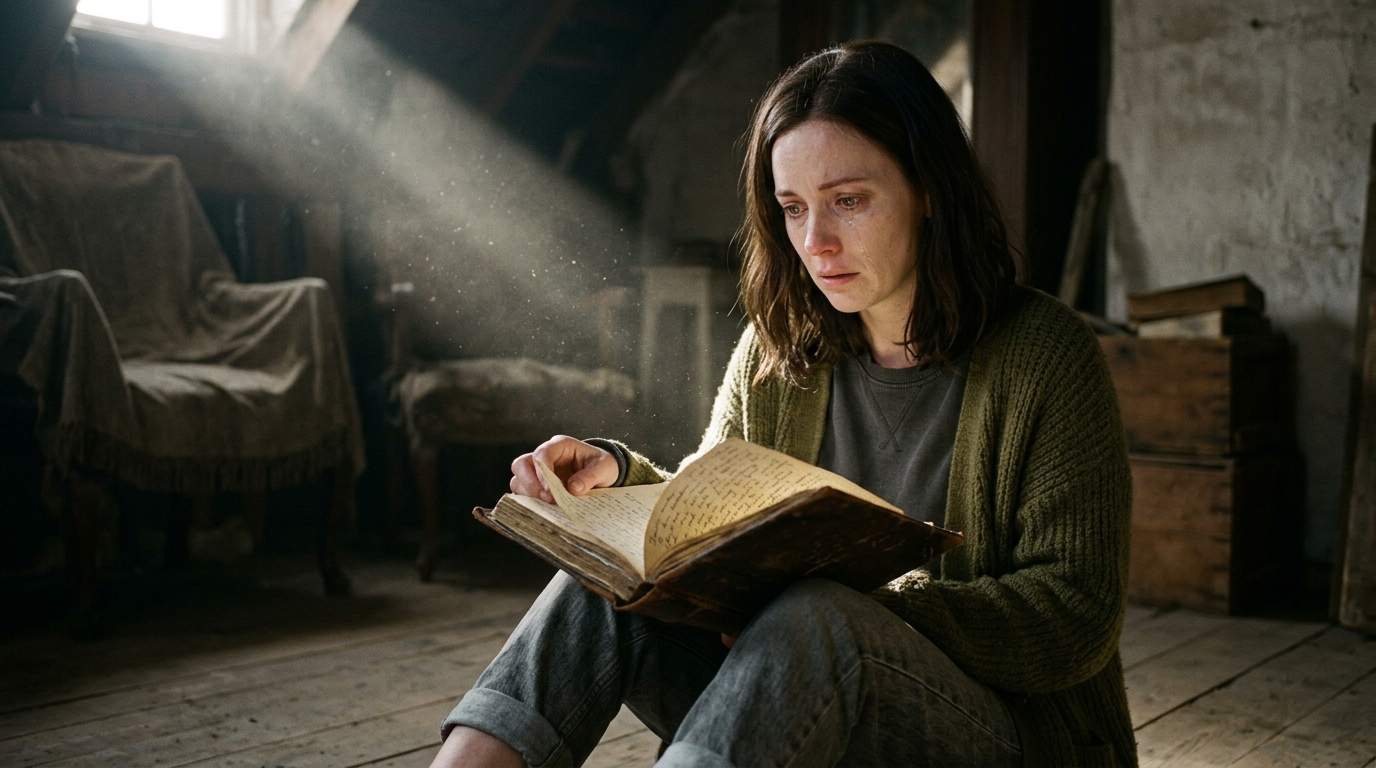
Back in the main study, sitting by the window where a weak beam of sunlight cut through the dust, I opened the journal.
It wasn't Mildred's neat, elegant handwriting I expected.
Instead, the script was tight, urgent, almost frantic, clearly written by someone in great distress.
The initial entries spoke of a young woman named Eleanor, not Aunt Mildred, but someone I vaguely remembered hearing about – a distant cousin who had "moved away" decades ago.
My grandmother always said Eleanor had eloped and disappeared, a romantic but tragic figure who left the family in a huff.
But as I read on, the entries grew darker, filled with fear, whispers of a terrible secret, hushed arguments, and threats.
Eleanor was not running away in love; she was terrified, trapped.
The entries detailed meetings, arguments with my grandfather, veiled references to "the incident," and an overwhelming sense of injustice.
Then came the entry that made my blood run cold, making the world outside the window blur into an indistinguishable wash of colors.
"He found out. Grandfather knows I saw what happened that night. He said if I ever speak of it, the same fate awaits me. They will bury me just like they buried him."
Him? Who was "him"?
Advertisement
My hands were shaking so violently I almost dropped the journal.
I skipped ahead, desperate for answers, my eyes scanning for any clue.
Another entry, weeks later, in a new, even more panicked hand: "They tried to silence me. I know too much. The truth about Robert’s 'accident' will destroy them. I have to leave, hide this journal. Someone has to know."
Robert. Robert Harrington.
He was a family friend, a young doctor who had died in a tragic hunting accident almost fifty years ago.
Or so the story went.
My grandfather, a pillar of the community, had been with him that day.
A hunting accident.
It was always just a hunting accident.
But Eleanor's words, her terror, painted a horrifyingly different picture.
She described an argument, a struggle, a deliberate act, not an accident.
She wrote about seeing my grandfather, calm and chillingly composed, standing over Robert's body in the woods, a rifle in his hand.
Then, she wrote about being forced to participate in covering it up, threats against her own life if she ever spoke a word.
The realization hit me like a physical blow, knocking the wind out of my lungs.
My grandfather, the man I revered, the patriarch of our family, was a murderer.
And my beloved Aunt Mildred, who had always seemed so innocent, must have known, too.
She had hidden this journal.
She had kept this secret, protected her monstrous father.
My entire family, their reputation, their wealth, their very existence in my mind, was built on a lie, a betrayal, a brutal act buried under decades of silence.
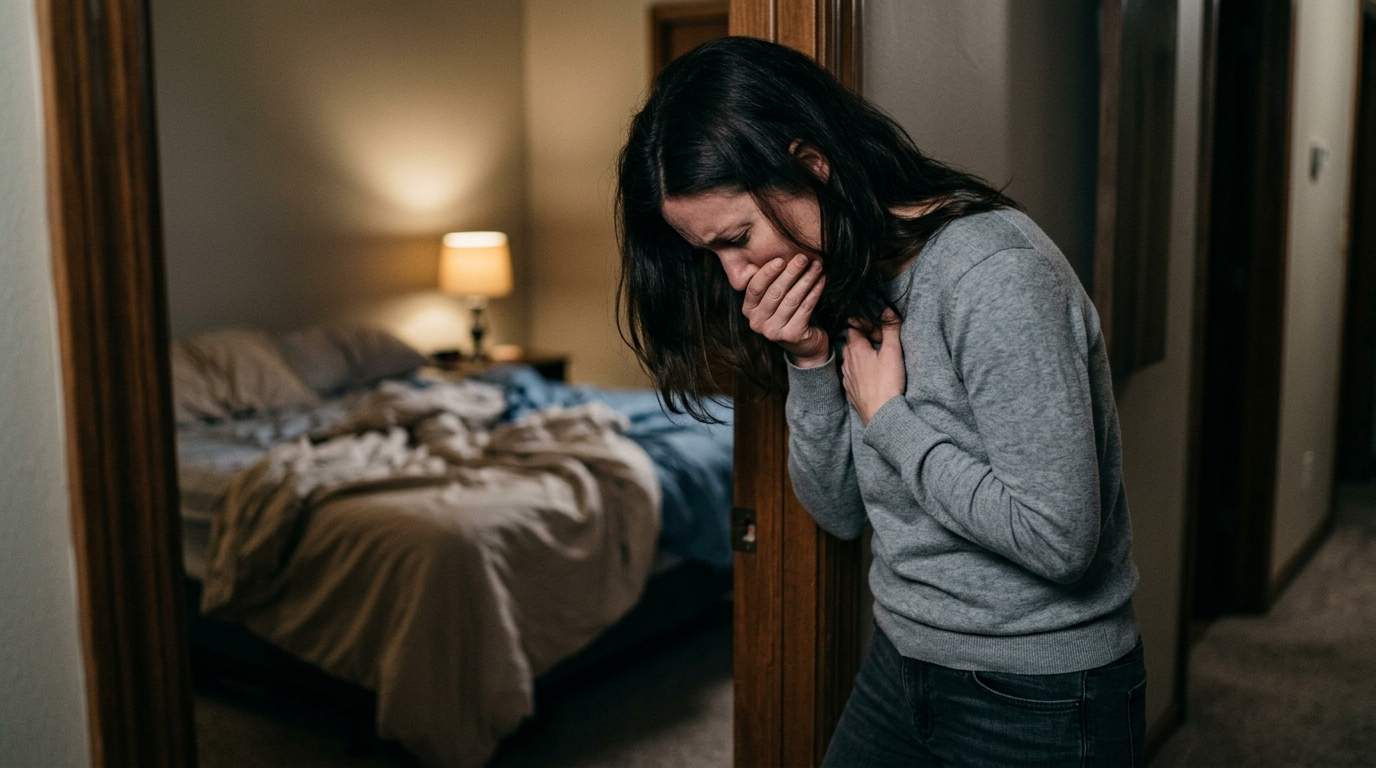
My head swam with disbelief, nausea rising in my throat.
This wasn't just a discovery; it was an earthquake, shattering the bedrock of my entire life.
Every family dinner, every holiday, every loving memory with my grandfather, suddenly felt like a performance, a cruel joke.
I stared at the pages, the ink blurring, my heart pounding so hard I thought it might burst from my chest.
What was I supposed to do with this?
This wasn't just a secret; it was a crime, a murder, buried and forgotten, now screaming from the pages of a forgotten journal.
My family, my blood, tainted by this unspeakable darkness.