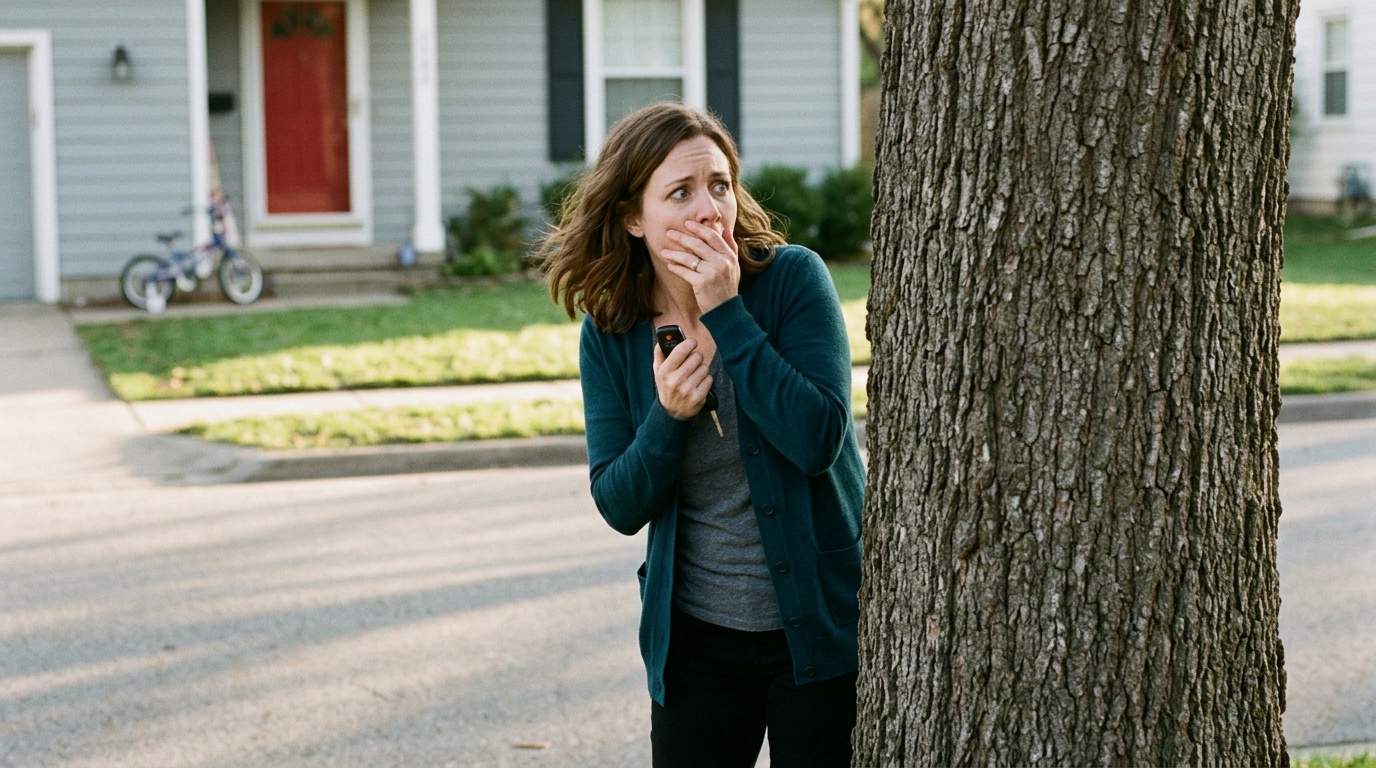
The lawyer's call was a shock, but the mention of Blackwood Manor sent a chill down my spine.
I hadn't thought about my grandmother or her old estate in years, not since Mom always avoided the subject.
Now, it was mine, and a strange sense of dread began to settle deep within my bones.
Blackwood Manor sat imposing and silent, a testament to faded grandeur and unspoken histories.
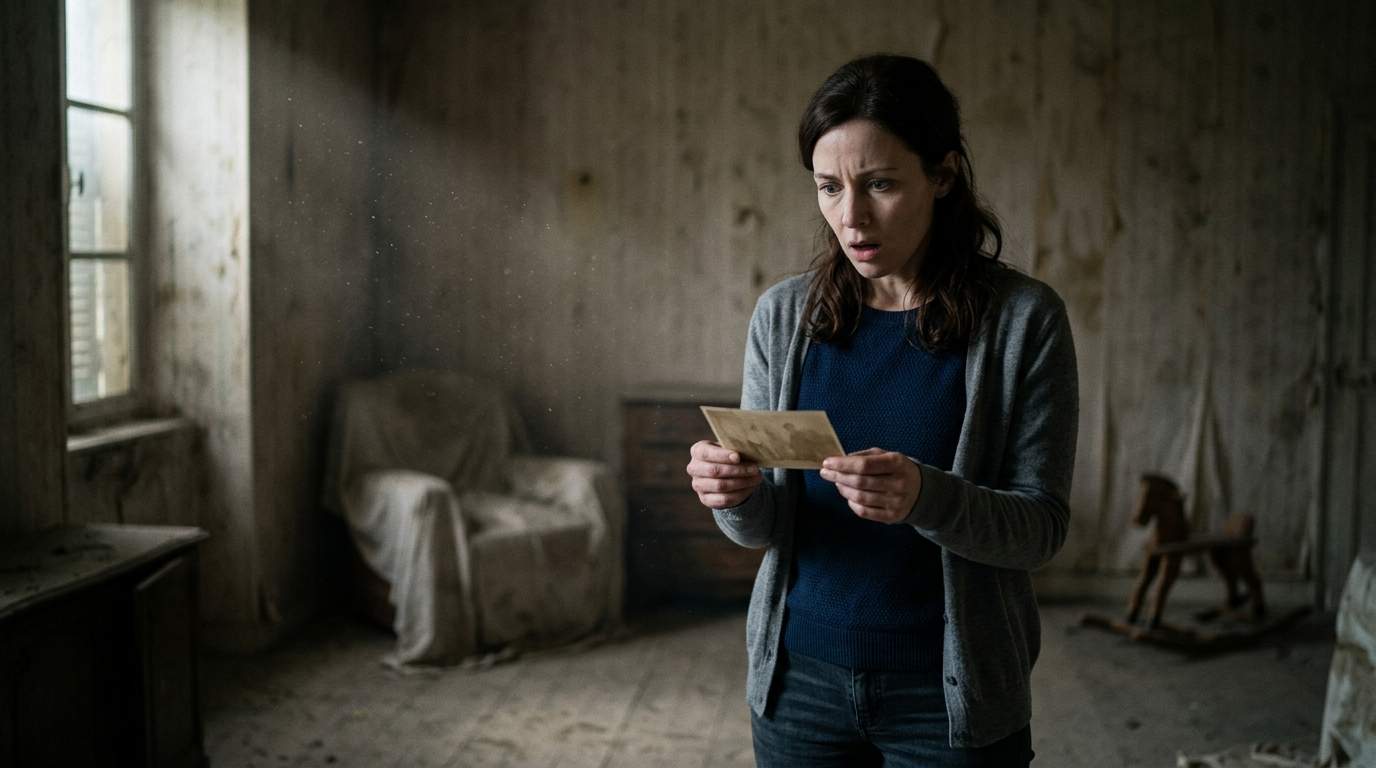
Dust motes danced in the sparse sunlight filtering through tall, grimy windows.
Each creak of the floorboards echoed a silent warning.
My mother had always been vague about her own upbringing there, just a dismissive wave and a quick change of topic.
I arrived with a box of old photos and a heart full of cautious curiosity.
The will itself was simple, direct, but one line caught my attention.
"The west wing, and particularly the small room behind the master study's forgotten fireplace, is to remain untouched."
It sounded more like a prohibition than a casual instruction.
That night, alone in the vast, echoing house, the will’s words gnawed at me.
Curiosity, a dangerous thing, began to overpower my apprehension.
I found the master study, a dark, heavy room filled with forgotten books.
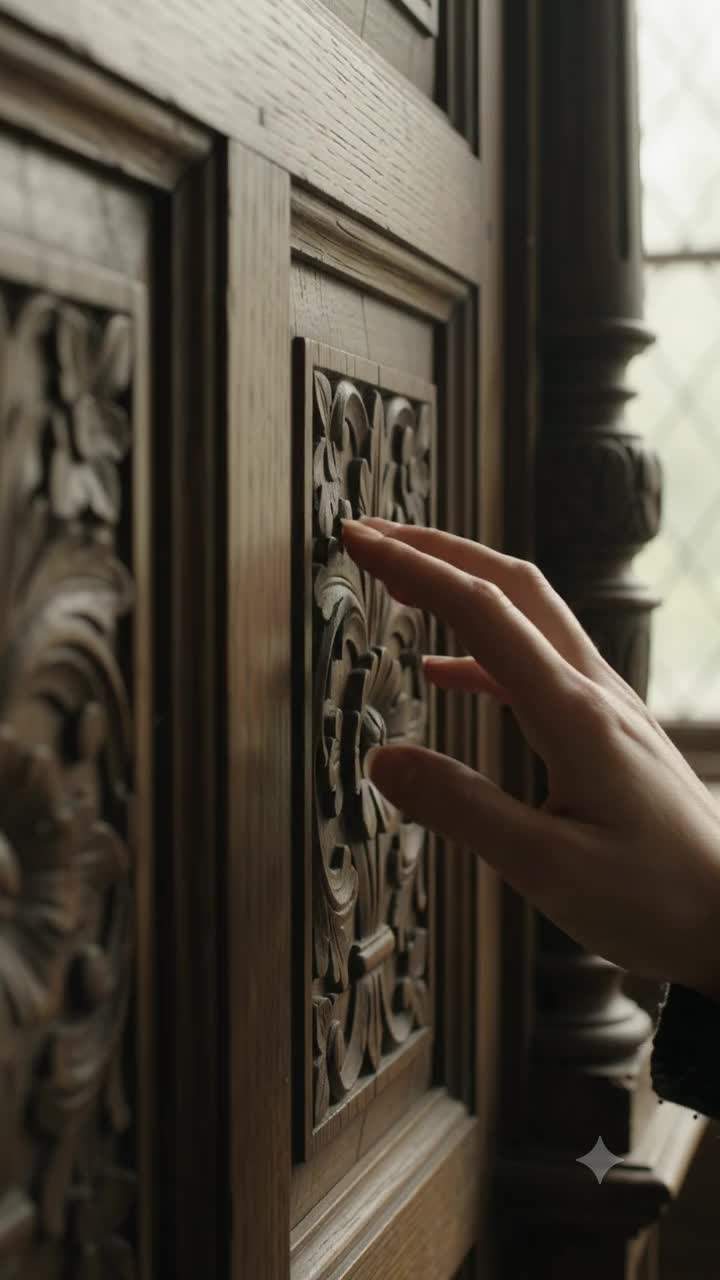
The fireplace was grand, but a section of the ornate paneling just to its left seemed slightly off.
My fingers traced the cold wood, searching for an imperfection, a seam.
There, a tiny, almost invisible latch, disguised as part of the carving.
My heart hammered against my ribs as I pressed it.
With a soft, almost imperceptible click, a section of the wall swung inward.
A gasp caught in my throat.
Beyond the opening lay not another room, but a narrow, winding staircase descending into darkness.
The air grew heavy, damp, and smelled faintly of decay and something else I couldn’t quite place.
I grabbed my phone for its flashlight, my hand trembling as I took the first step down.
The stairs were rough, uneven, clearly not meant for regular use.
They spiraled downwards for what felt like an eternity, leading me deeper into the mansion’s belly.
Finally, the staircase opened into a small, windowless chamber.
It was not a dungeon, but something far more disturbing.
The room was filled with antique furniture, but not the stately pieces I’d seen upstairs.
Here, there was a rusty child’s crib, its mattress stained and torn.
Advertisement
Faded wallpaper depicted whimsical animals, now peeling and grim.
A small, wooden rocking horse lay on its side, one eye missing.
My phone's beam swept across the unsettling scene, revealing dusty toys scattered across the floor.
But it was a small, locked wooden chest, tucked under a grimy blanket in the corner, that truly held my gaze.
My fingers fumbled with the latch, which surprisingly clicked open.
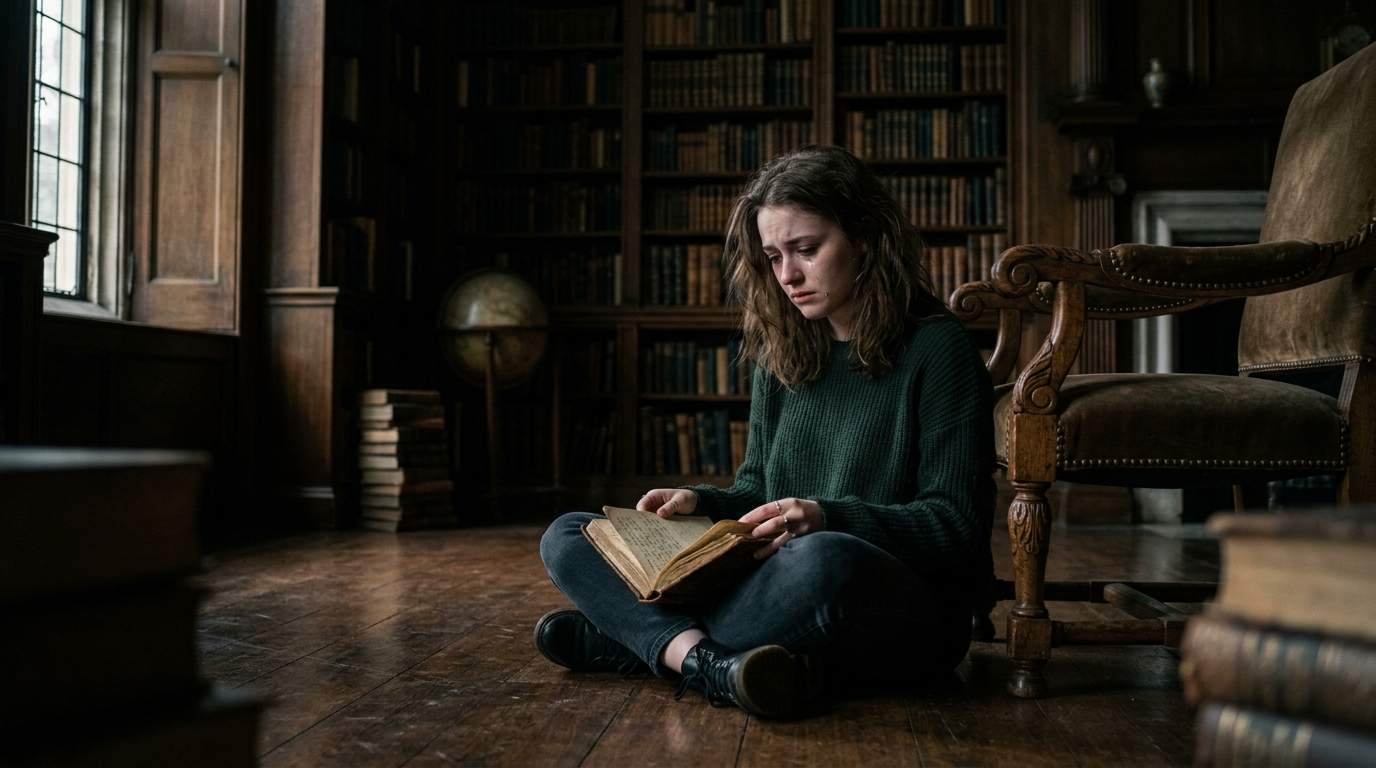
Inside, nestled amongst yellowed lace and brittle ribbons, lay a small, leather-bound diary.
Its pages were brittle, its script elegant but faded.
This was my grandmother’s hand.
I began to read, sitting on the cold, dusty floor, the words blurring through unshed tears.
The entries started innocently, chronicling her early married life.
Then, the tone shifted, growing darker, desperate.
She wrote of a secret, a terrible shame she had to hide from society.
She spoke of her first child, a daughter, born with severe disabilities.
Not my mother, but another, older sibling I never knew existed.
Her family, fearing scandal and ruin, had insisted the child be hidden away.
Not in an institution, as I first assumed, but here, in this very room, in the early years.
The diary detailed the horror of her confinement, the grandmother’s own torment, and her terrible decision.
They had orchestrated a tragic "accident" for the child, convincing everyone she had died.
But the entries hinted at something far more sinister, a deeper cover-up.
There were vague, horrifying references to "the doctor" and "the arrangement."
The child had not simply died; her disappearance was meticulously planned, her existence erased.
My grandmother had actively participated in this brutal deception, condemning her own flesh and blood.
The final entries were chilling, filled with remorse but also chilling justification.
She wrote about securing her family's future, about "doing what had to be done."
This wasn’t just a secret; it was a monstrous act of cruelty, a calculated betrayal of innocent life.
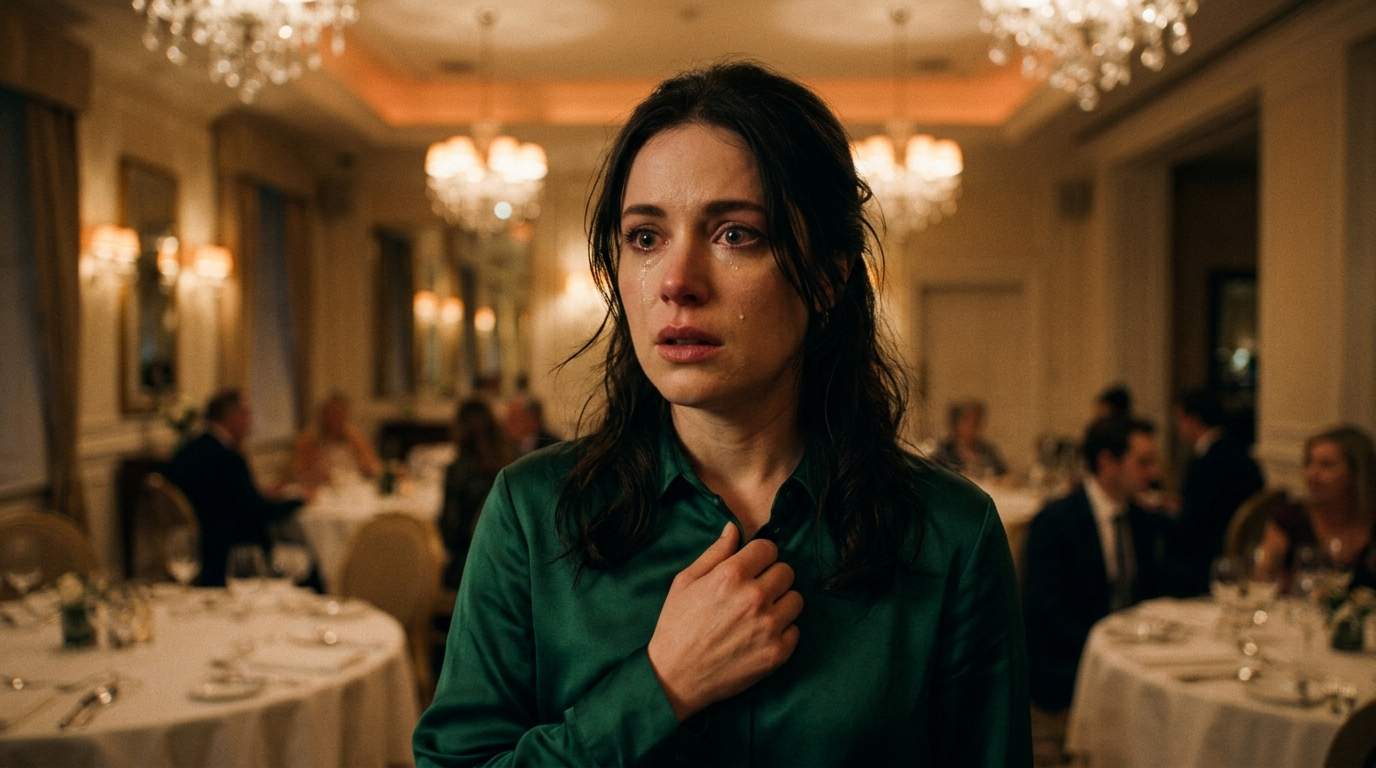
My entire perception of my sweet, dignified grandmother shattered into a million pieces.
This was not the woman I knew.
This was a stranger, a perpetrator of unimaginable pain.
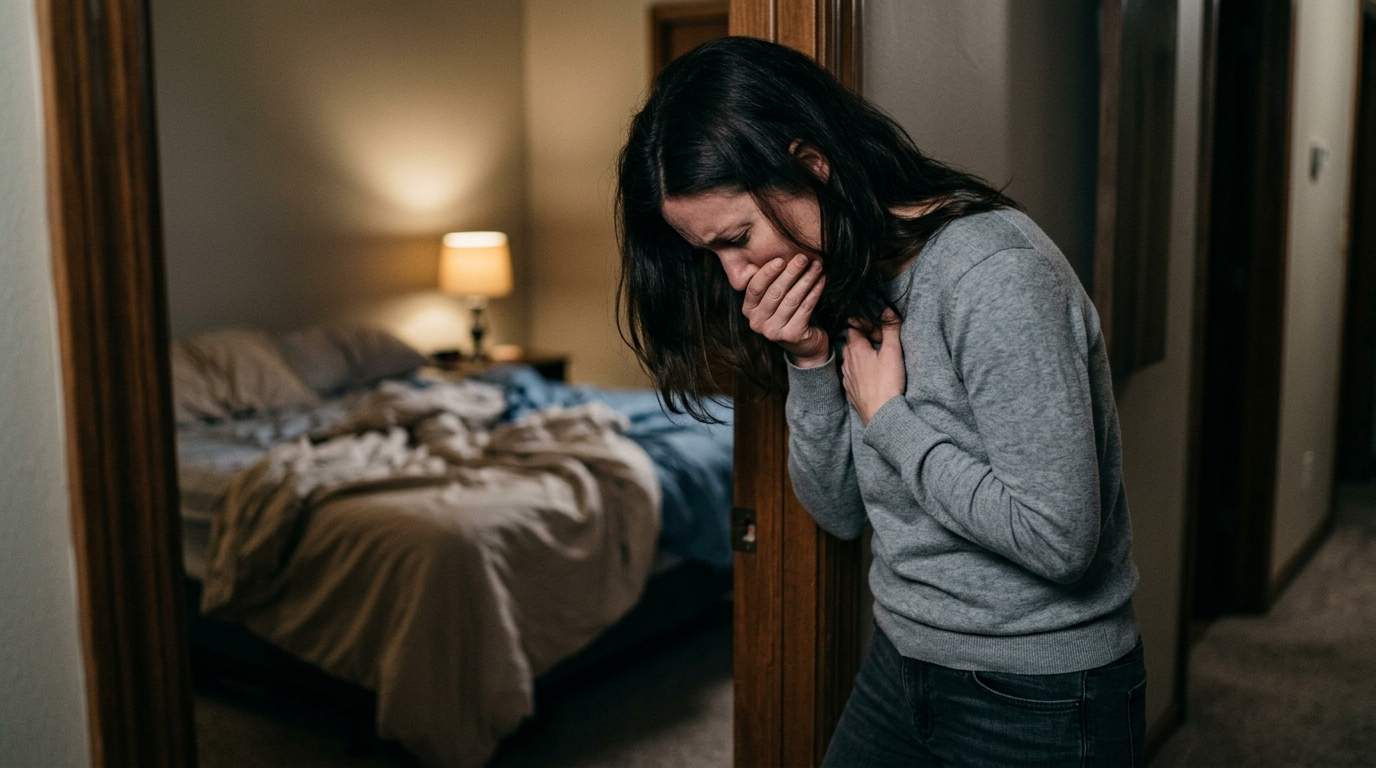
The weight of decades of lies pressed down on me, suffocating and heavy.
My mother's strange silences, her avoidance of Blackwood Manor, now made horrifying, tragic sense.
She must have known fragments, enough to make her flee the past.
The air in the secret room felt heavy with the ghosts of a child’s forgotten cries and a mother's terrible secret.
This wasn't an inheritance of wealth or property; it was an inheritance of guilt, of unbearable knowledge.
My family history, once a comforting narrative, was now tainted, stained with a dark, unforgivable truth.
The mansion wasn't just a house; it was a tomb, a monument to a buried life.
I closed the diary, my hands shaking uncontrollably, the dusty pages feeling like venom.
What do I do with this?
How do I live with this truth?
My life, irrevocably changed, now bore the crushing burden of a terrifying secret I never asked for.
The silence of the house pressed in, demanding an answer I didn’t have.
Advertisement