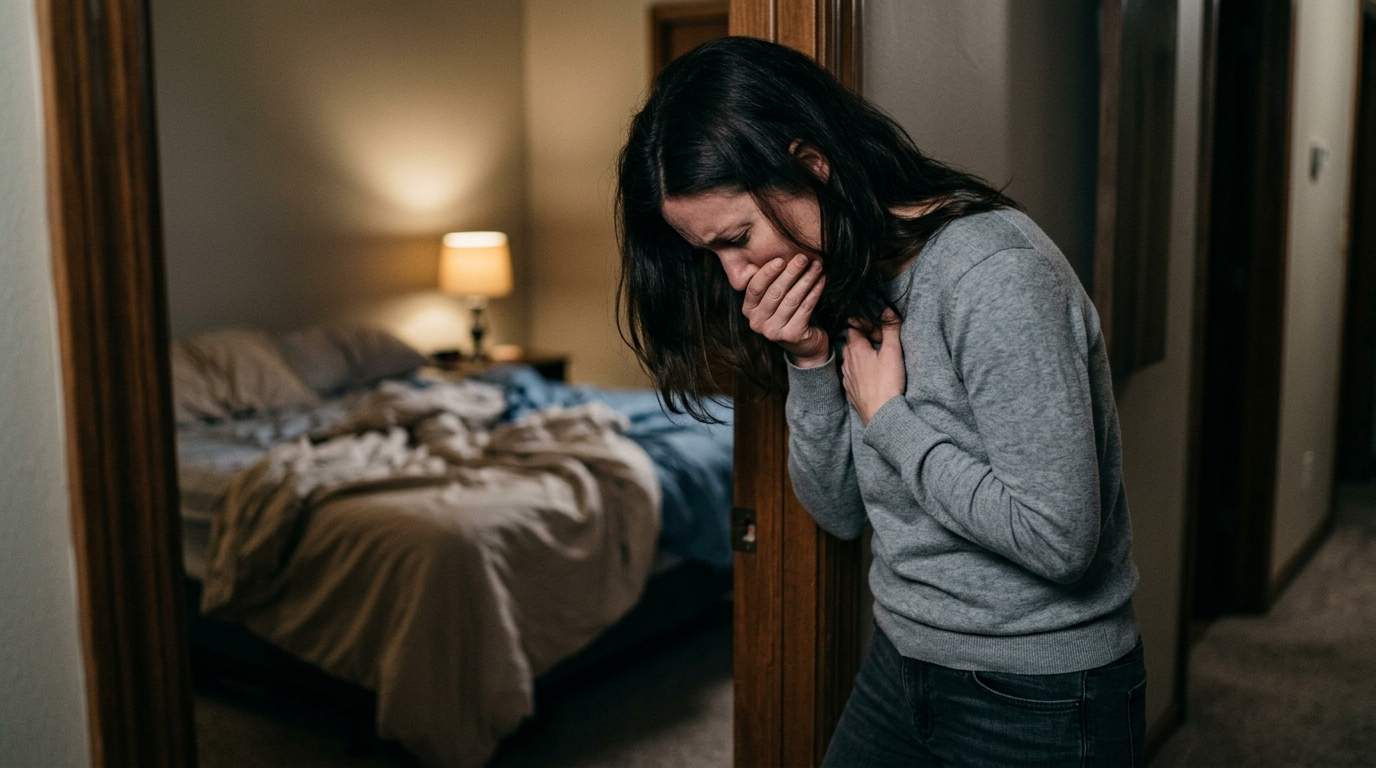
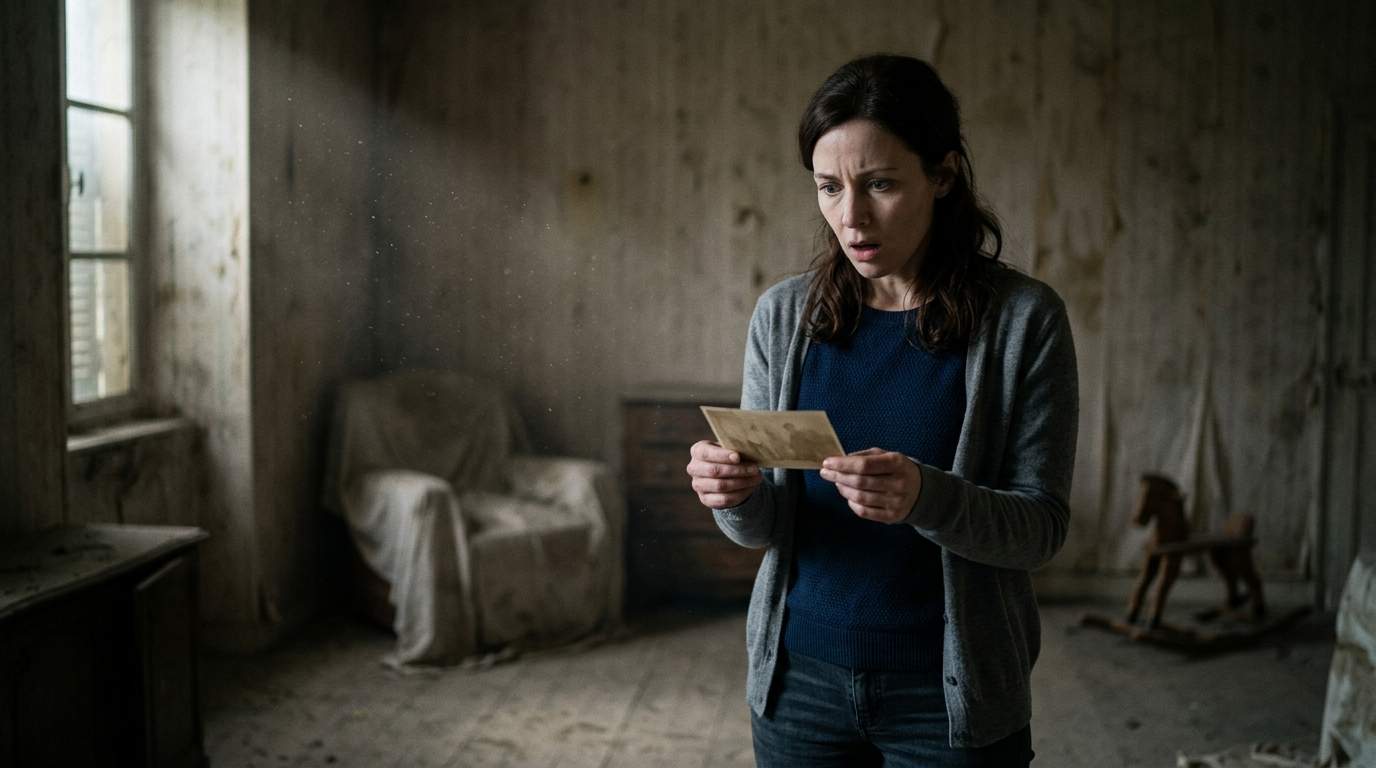
I never thought much about the sprawling, dilapidated mansion my great-aunt Eleanor left me.
It was just “the old house,” a place of childhood whispers and forgotten grandeur that felt more like a burden than a blessing.
Suddenly, it was mine, and with it, a heavy sense of history I couldn’t quite grasp.
Moving in felt less like an inheritance and more like stepping into a time capsule filled with dust and silence.
I spent weeks just wandering its echoing halls, feeling the presence of generations, yet understanding so little.
One humid afternoon, while trying to fix a creaky window in the master bedroom, my hand brushed against a loose piece of molding behind a heavy, antique wardrobe.
It wasn't just loose; it was a deliberate, almost invisible, sliding panel.
My heart began to pound with a mixture of childish excitement and a deep, unsettling premonition.
Behind the panel, not much larger than a broom closet, was a narrow, winding staircase leading down into impenetrable darkness.
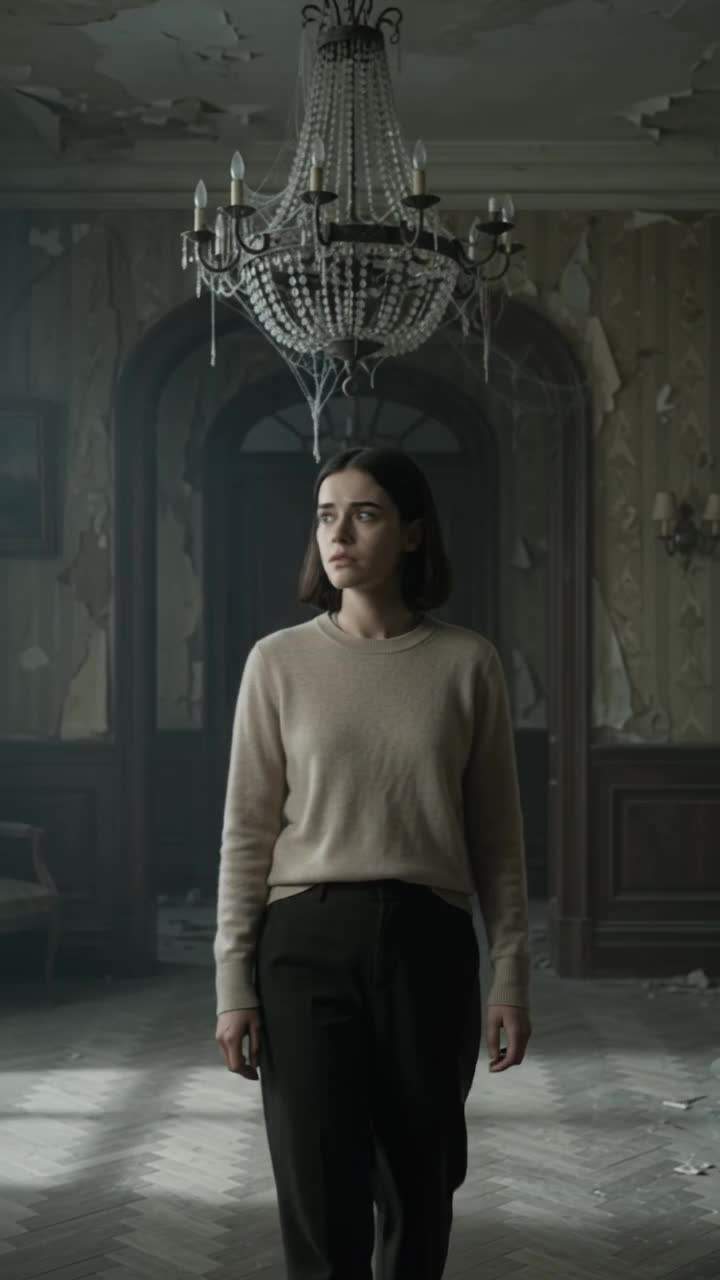
Fear warred with an insatiable curiosity, urging me forward into the musty air below.
My phone’s flashlight beam cut through the gloom, revealing a small, forgotten chamber underneath the mansion’s very foundation.
It was sparse, eerily still, and smelled faintly of old paper and despair.
There, on a small, rickety table, lay a leather-bound journal, its pages yellowed and brittle with age.
Beside it, a small, silver locket lay open, revealing a faded photograph of a young woman with strikingly familiar eyes.
I carefully picked up the journal, its weight feeling immense in my trembling hands.
The first few entries were mundane, observations about the weather and daily life in the early 1900s, written in elegant, looping script.
Then the entries changed, becoming desperate, frantic, filled with a raw agony that seeped from the very ink.
It was my great-aunt Eleanor’s journal, but it spoke of a sister, Martha, whose existence had been erased from family records.
Martha, the journal shockingly revealed, had been hidden away in this very chamber from a young age, deemed “unsuitable” and a “shame” to the family name.
Eleanor, pressured by their ruthless parents, had taken Martha’s place in society, inheriting the family fortune and reputation built on her sister's forced disappearance.
The locket held Martha’s face, vibrant and full of life, a stark contrast to the tragic fate meticulously detailed in the journal.
Eleanor wrote of her unbearable guilt, her nightly visits, her sister's slow descent into madness and eventual death, alone and forgotten in the hidden room.
She confessed to forging Martha’s death certificate, fabricating a story of a distant illness, and living a lie that spanned decades.
My great-aunt, whom I remembered as a stern, formidable woman, was a deeply conflicted soul haunted by an unspeakable crime she had helped orchestrate.
The sister in the photograph shared an uncanny resemblance to my grandmother, a chill tracing its way down my spine.
My grandmother, Eleanor's cousin, had always been evasive about certain aspects of their family history.
Now, a horrifying possibility clicked into place, changing the entire narrative of my lineage.