My grandmother's old mansion had always been a place of comforting mystery, filled with dusty heirlooms and the scent of aged wood.
After she passed, clearing it out felt less like a chore and more like a pilgrimage through our family's quiet history.
I remember the day clearly, the late afternoon sun slanting through the attic window, illuminating dust motes dancing in the air.
I was painstakingly sorting through an ancient armoire, its drawers stiff and reluctant to open.
Behind a stack of yellowed linens, my hand brushed against something strange, a loose panel in the back of the cabinet.
My heart gave a little thump, a mix of curiosity and an almost childish excitement.
It took some effort, but I finally managed to pry the panel open, revealing a small, dark recess.
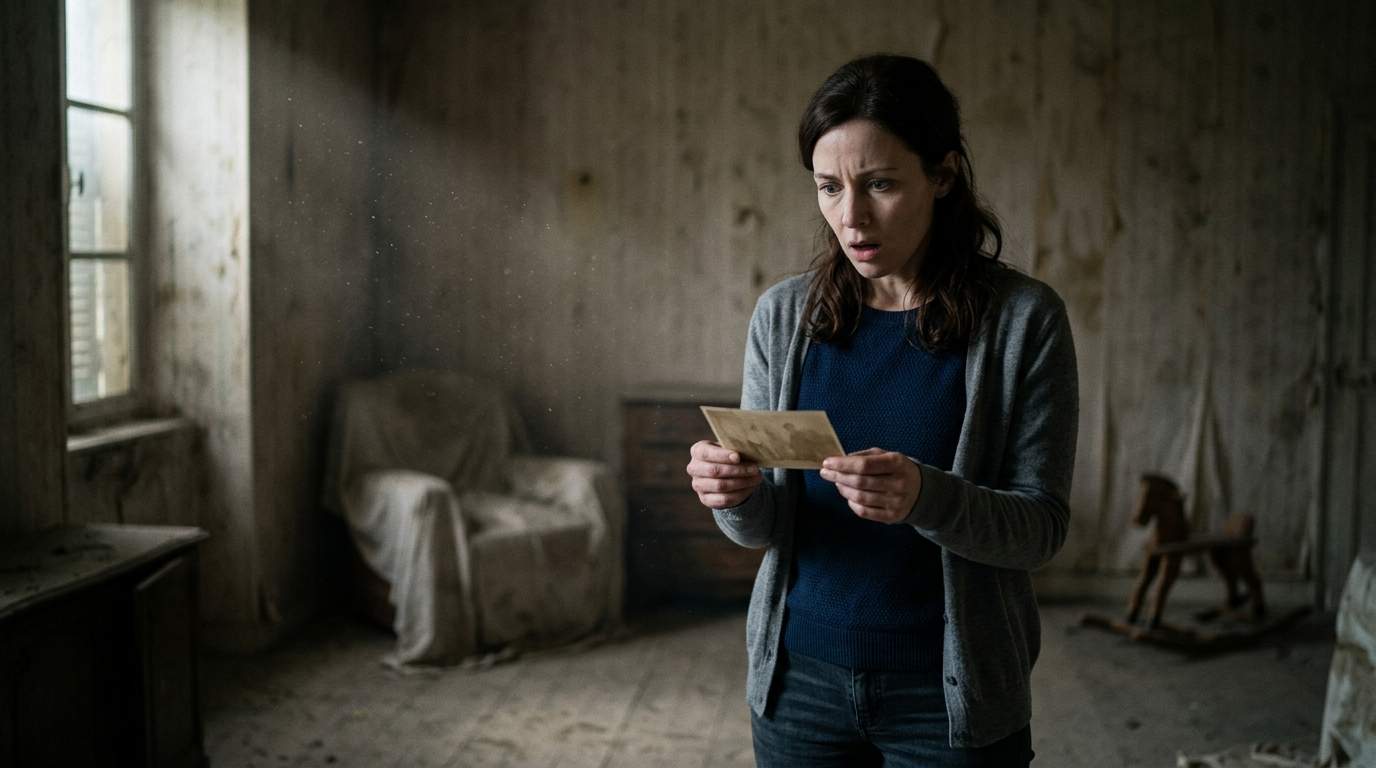
Inside, tucked away like a forgotten secret, was an old, leather-bound journal, its cover worn smooth by time.
It felt heavy in my hands, a silent testament to untold stories.
I blew off the dust, revealing faded gold tooling, and my fingers traced the elegant, cursive "M.E.B." on the front.
Grandma Eleanor.
A shiver ran down my spine; she had never mentioned keeping a journal.
Back in the sunlit main living room, the journal lay open on the worn velvet ottoman, its brittle pages filled with a familiar handwriting.
At first, it was mundane, descriptions of daily life, garden plans, reflections on the weather.
I smiled, imagining her quiet routines, her familiar wisdom.
Then, the entries changed.
The tone shifted subtly, a quiet unease creeping into her words.
She wrote of whispered arguments, of shadows in the night, of a tension I’d never known existed within our stoic family.
My breath caught in my throat as I read a date from nearly sixty years ago.
The words on the page blurred, then sharpened with terrifying clarity.
"He knows," one entry read, stark and chilling.
Another, just days later: "The accident was no accident. I saw it. I know what he did."
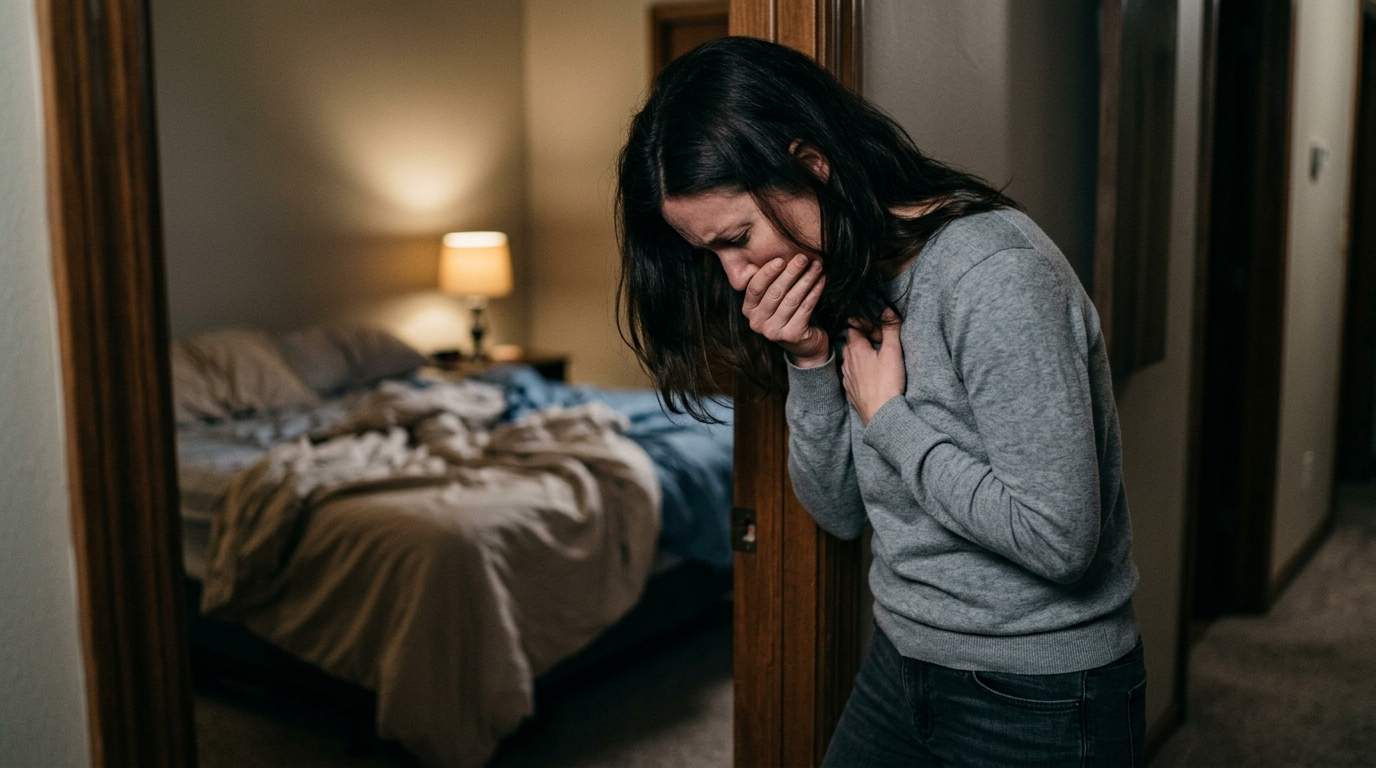
My blood ran cold.
What accident? Who was "he"?
I frantically flipped through the pages, my fingers trembling, searching for answers, for context.
The next entry was a harrowing account, written in a frantic, almost illegible scrawl.
It detailed a violent confrontation, a desperate struggle, and then… a name.
A name I recognized, a name spoken with reverence in our family for generations.
My great-uncle, the war hero, the pillar of the community.
He had died tragically young, a supposed hunting accident, a story woven into the fabric of our family lore.
But Grandma’s journal didn’t describe an accident.
It described murder.
It described a calculated, brutal act, witnessed by her, detailed with horrifying precision.
The victim wasn't just some distant relation; it was someone deeply connected to the family, a figure whose absence had always been mourned.