My great-aunt Eleanor left me everything, including the sprawling, gothic mansion on the hill.
I barely knew her, but the thought of inheriting such a magnificent estate felt like winning the lottery of life.
This was my chance for a fresh start, far from the city chaos and past heartbreaks.
The moment I stepped inside, the house enveloped me in its cool, silent embrace.
It was grand, with towering ceilings and intricate woodwork, yet a palpable sense of age hung in the air.
Dust motes danced in the sparse sunlight that pierced the stained-glass windows.
Weeks turned into months as I slowly made the mansion my home, uncovering its forgotten corners.
I found hidden alcoves, dusty libraries, and servants' passages that wound like veins through the structure.
Each discovery was a thrill, a new piece of the mansion's vast puzzle.
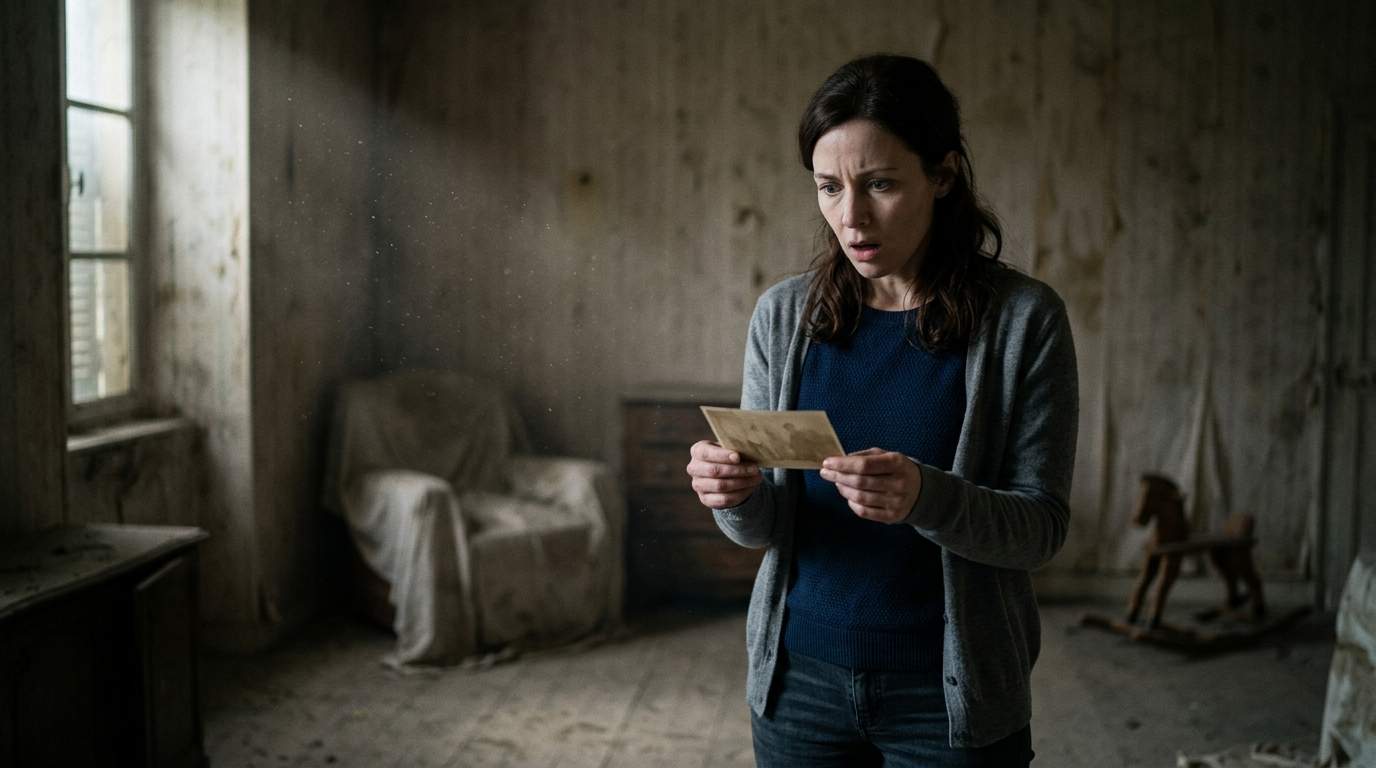
Then, one rainy afternoon, while replacing a loose baseboard in the old nursery, my fingers snagged on something unusual.
It wasn't wood or plaster, but a small, cold metal box.
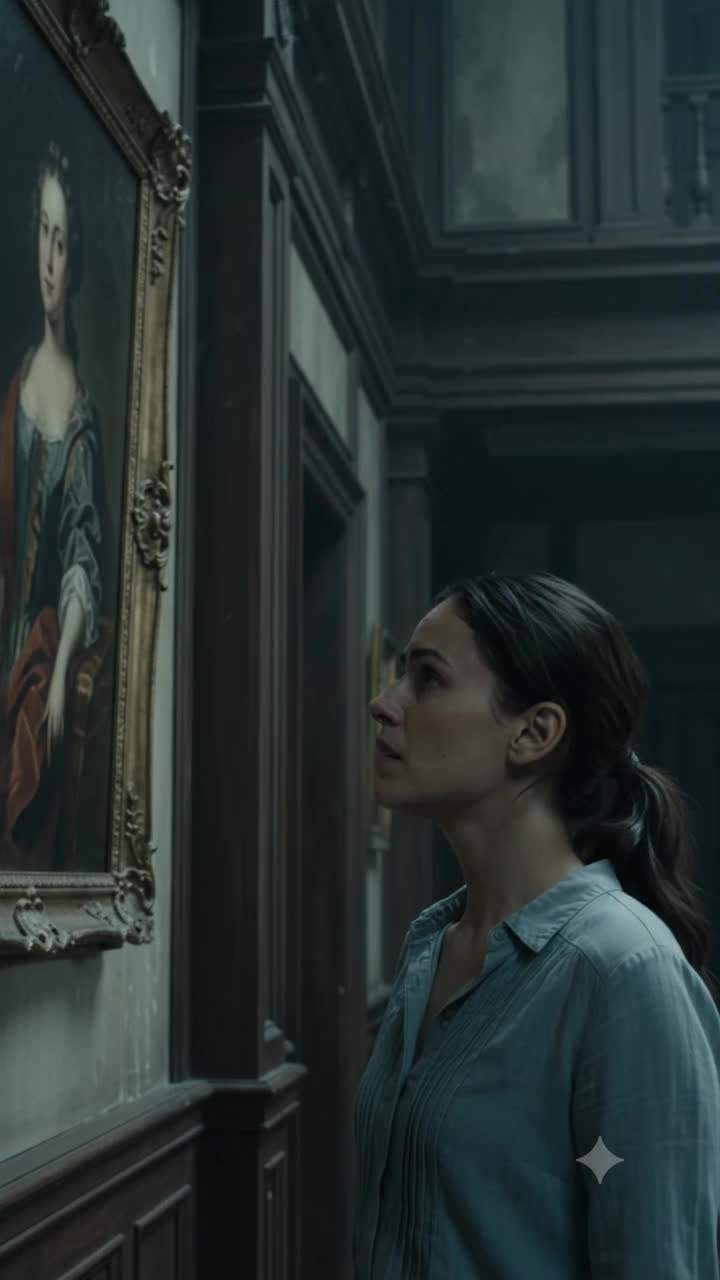
My heart quickened with a mixture of excitement and trepidation.
Inside, nestled among layers of yellowed silk, lay a leather-bound diary and a stack of brittle letters.
They were written in elegant, looping script, dating back to the early 1900s.
The diary belonged to a woman named Clara, a name I didn't recognize in my family tree.
Her entries began innocently enough, describing daily life in the mansion, the servants, the lavish parties.
But a subtle shift began to occur, a growing undercurrent of fear and desperation.
She wrote of whispers in the walls, shadows that moved when no one was there, and a chilling sense of being watched.
I devoured every word, feeling an increasing sense of dread creep up my spine.
Clara alluded to a "family secret" that was "too dark for the light of day."
She spoke of her love for a stable hand, a love forbidden by her aristocratic family.
Then, the entries abruptly stopped, mid-sentence, on a page dated exactly 100 years ago.
The last words were a frantic plea for help, a desperate cry against "the others."
My hands trembled as I carefully unfolded the accompanying letters.
They were from Clara's parents, addressed to their solicitor, expressing concern over their "errant daughter."
But one letter, unsigned and undated, was tucked deep inside the others.
Its contents sent a cold shock through my entire body.
It detailed a plan, coldly and meticulously, to "remove" Clara from the family, to "silence her indiscretions."
The wording was euphemistic, yet the underlying meaning was horrifyingly clear: Clara was to disappear.
I felt a profound chill, a violation of the sanctity of my ancestors, of my own lineage.
This wasn't a historical drama; this was a blueprint for murder.
I spent days poring over local archives, searching for any record of Clara's existence, her disappearance.
There was nothing, as if she had been meticulously erased from history.
The mansion, once a dream, now felt like a mausoleum, every creak and groan a ghostly whisper.